Astonishing Sacred and Spiritual Secrets of India's Sacred Kali Bein River, Harike Pattan, Sukhana Lake and Asan Pattan Streams with Sets of 35 and 52 Letters of Gurmukhi as Elements, Proposed WIPO Community IP Patents, 100 Traditional University and Multiversity Streams and Bilingual Blogging Research Post with NotebookLM
Introduction: The River of Whispers
Have you ever looked at a quiet stream or a simple landscape and wondered if it held stories far deeper than its surface suggests? Some ordinary-looking places can hold extraordinary historical and spiritual depth, their currents carrying the echoes of epics, revelations, and profound universal truths.
The Sacred Kali Bein River in Punjab is one such place. To the casual observer, it might appear as a modest waterway. Yet, this river is deeply interwoven with millennia of Indian spiritual tradition. Its story is not just one of geography, but of mythology, enlightenment, and the very patterns of the cosmos. This article will explore four surprising and profound truths about the Kali Bein that reveal its incredible significance.
--------------------------------------------------------------------------------
Four Profound Truths
1. Its roots reach back to the age of myth and epic heroes.
The Kali Bein is more than just a river; it's a living link to the foundational stories of Hinduism. As an ancient tributary of the Sacred Beas River, its lineage is tied to some of the most significant figures in the tradition. According to sacred chronicles, the Beas itself was created by Sage Vyasa approximately 5,000 years ago. It was on its banks that the sage, guided by Lord Krishna, wrote the “Sacred Theory of Astronomy, Astrology and Alchemy of Kaliyuga with Moving Zodiac Wheel of 28th Constellation of Abhijit.”
This connection to the epic age is further deepened at the river's origin in Dasuya. It was in this region that the five Pandava brothers spent approximately 14 years of their exile. Here, it is said that King Bhima, one of the brothers, created the "Sacred Pandava Sarovar" for the purpose of “feeding cows and helping people take Sacred Water.” The Kali Bein is, therefore, not merely a geographical feature but a direct, flowing testament to the age of heroes.
2. It was the site of Guru Nanak's enlightenment.
For more than fourteen years, Shri Guru Nanak Dev Ji, the revered founder of Sikhism, lived and meditated on the banks of the Kali Bein in the city of Sultanpur Lodhi. This quiet riverside became the backdrop for one of the most pivotal moments in spiritual history.
It was here, by the waters of the Kali Bein, that Guru Nanak was enlightened with the "Sacred Mool Mantra and Shri Japu Ji Sahib"—the foundational tenets of Sikh philosophy. This profound revelation transformed the river from a simple body of water into the cradle of Sikhism's core teachings. For this reason, the Kali Bein is considered one of the most sacred sites in the Sikh faith, the physical place where the spiritual core of a world religion was revealed.
3. It exemplifies a universal pattern of division and connection.
In all systems of human thought—from religion and language to academic fields like physics and chemistry—there exists a universal principle of differentiation and division. This concept, described as "Schism, Heresy, Dominion and Dome Systems," explains how distinct branches, schools of thought, and specialized subjects emerge from a common origin. The word "Schism" itself has etymological roots in the Greek "Skhism," signifying this act of splitting or dividing.
The Sacred Kali Bein River is presented as a "Sacred Witness and Testimonial" to this very principle. For centuries, diverse World Artisan Communities have lived along its banks, each with unique traditions and identities, yet all connected by the river's flow. The river itself witnesses these patterns of division and connection, silently reflecting a fundamental law that organizes everything from faith to science. This universal pattern of division and reunion is not only a philosophical principle witnessed by the river but is also physically encoded in its very journey across the landscape.
4. Its flow is part of a grand 'cosmic plate.'
The universal principle of schism and connection is not merely an abstract concept; the Kali Bein's physical path is a testament to it. The river's journey begins in Dasuya. From there, it flows across the plains of Punjab to the crucial junction of Harike Pattan, where it merges with the mighty Beas and Sutlej rivers. This combined system then flows onward to join the great Indus River, which finally meets the Arabian Sea.
A surprising perspective suggests that this entire network—with its many splits, junctions, and unions, including the related Indo-Persian Ghaggar-Hakra River—is not random. Instead, it resembles a "Cosmic Plate of Cymatics." In this metaphorical sense, the river's flow is part of a larger, ordered, and vibrational pattern. While the Kali Bein does not originate from the sacred Mount Kailash, it receives the mountain's spiritual touch through its union with the Sutlej River, which flows directly from those venerated peaks. This chain of connection links the Himalayan heights to the vastness of the ocean, demonstrating a cosmic order written into the very landscape of the earth.
--------------------------------------------------------------------------------
Conclusion: A River That Remembers
The Kali Bein is far more than just a body of water. It is a confluence of mythology, the birthplace of a spiritual revelation, a witness to universal philosophy, and a thread in a cosmic pattern. Its quiet currents carry the weight of epic heroes, the wisdom of enlightened masters, and the silent laws that govern our world.
If a single river can hold so many layers of meaning, what hidden stories do the landscapes around us whisper?
Thanks for your precious time!
ਕਾਲੀ ਵੇਈਂ ਦੇ 5 ਹੈਰਾਨੀਜਨਕ ਸੱਚ: ਇੱਕ ਨਦੀ ਜੋ ਇਤਿਹਾਸ ਅਤੇ ਬ੍ਰਹਿਮੰਡ ਨੂੰ ਜੋੜਦੀ ਹੈ
ਜੇਕਰ ਨਦੀਆਂ ਬੋਲ ਸਕਦੀਆਂ, ਤਾਂ ਪਵਿੱਤਰ ਕਾਲੀ ਵੇਈਂ ਸਾਨੂੰ ਕੀ ਦੱਸਦੀ? ਇਹ ਸਿਰਫ਼ ਪਾਣੀ ਦੀ ਧਾਰਾ ਨਹੀਂ, ਸਗੋਂ ਸਮੇਂ ਦਾ ਇੱਕ ਵਹਿਣ ਹੈ, ਜੋ ਹਜ਼ਾਰਾਂ ਸਾਲਾਂ ਦੇ ਇਤਿਹਾਸ, ਮਿਥਿਹਾਸ ਅਤੇ ਡੂੰਘੇ ਦਾਰਸ਼ਨਿਕ ਵਿਚਾਰਾਂ ਦੀ ਚੁੱਪ-ਚਪੀਤੀ ਗਵਾਹ ਹੈ। ਇਹ ਪ੍ਰਾਚੀਨ ਰਾਜਿਆਂ ਤੋਂ ਲੈ ਕੇ ਮਨੁੱਖੀ ਭਾਈਚਾਰਿਆਂ ਦੀ ਬਣਤਰ ਤੱਕ ਸਭ ਕੁਝ ਆਪਸ ਵਿੱਚ ਜੋੜਦੀ ਹੈ।
ਆਓ, ਇਤਿਹਾਸਕ ਅਤੇ ਅਧਿਆਤਮਿਕ ਗ੍ਰੰਥਾਂ ਦੇ ਆਧਾਰ 'ਤੇ ਇਸ ਦੇ ਪਵਿੱਤਰ ਪਾਣੀਆਂ ਵਿੱਚ ਛੁਪੇ ਪੰਜ ਹੈਰਾਨੀਜਨਕ ਸੱਚਾਂ ਦੀ ਪੜਚੋਲ ਕਰੀਏ। ਇਹ ਸੱਚ ਦੱਸਦੇ ਹਨ ਕਿ ਕਿਵੇਂ ਇੱਕ ਨਦੀ ਭੌਤਿਕ ਸੰਸਾਰ ਤੋਂ ਪਰੇ, ਬ੍ਰਹਿਮੰਡੀ ਸਿਧਾਂਤਾਂ ਅਤੇ ਮਨੁੱਖੀ ਵੰਸ਼ਾਂ ਦਾ ਪ੍ਰਤੀਬਿੰਬ ਬਣ ਜਾਂਦੀ ਹੈ।
੧. ਇੱਕ ਬ੍ਰਹਿਮੰਡੀ ਸਿਧਾਂਤ ਦੀ ਗਵਾਹ (A Witness to a Universal Principle)
ਇੱਕ ਗੁੰਝਲਦਾਰ ਦਾਰਸ਼ਨਿਕ ਧਾਰਨਾ ਹੈ ਜਿਸਨੂੰ "ਵੰਡ, ਮਤਭੇਦ, ਪ੍ਰਭੂਸੱਤਾ ਅਤੇ ਗੁੰਬਦ ਪ੍ਰਣਾਲੀਆਂ" (Schism, Heresy, Dominion and Dome Systems) ਕਿਹਾ ਜਾਂਦਾ ਹੈ। ਸਧਾਰਨ ਸ਼ਬਦਾਂ ਵਿੱਚ, ਇਹ ਵੰਡ, ਵਿਭਿੰਨਤਾ ਅਤੇ ਸੰਗਠਨ ਦੀ ਇੱਕ ਕੁਦਰਤੀ ਪ੍ਰਕਿਰਿਆ ਹੈ ਜੋ ਸਾਰੇ ਮਨੁੱਖੀ ਪ੍ਰਣਾਲੀਆਂ ਵਿੱਚ ਪਾਈ ਜਾਂਦੀ ਹੈ — ਭਾਵੇਂ ਉਹ ਕਾਰੀਗਰ ਭਾਈਚਾਰੇ ਹੋਣ, ਧਰਮ ਹੋਣ ਜਾਂ ਭਾਸ਼ਾਵਾਂ ਹੋਣ। ਇਸਨੂੰ ਇਸ ਤਰ੍ਹਾਂ ਸੋਚੋ: ਜਿਵੇਂ ਇੱਕ ਦਰੱਖਤ ਦੀਆਂ ਜੜ੍ਹਾਂ, ਤਣਾ, ਟਾਹਣੀਆਂ ਅਤੇ ਪੱਤੇ ਵੱਖ-ਵੱਖ ਹੁੰਦੇ ਹੋਏ ਵੀ ਇੱਕ ਹੀ ਦਰੱਖਤ ਬਣਾਉਂਦੇ ਹਨ, ਉਸੇ ਤਰ੍ਹਾਂ ਮਨੁੱਖੀ ਸਮਾਜ ਵੀ ਵੰਡ ਅਤੇ ਵਿਭਿੰਨਤਾ ਰਾਹੀਂ ਹੀ ਸੰਗਠਿਤ ਹੁੰਦਾ ਹੈ।
ਹੈਰਾਨੀ ਦੀ ਗੱਲ ਹੈ ਕਿ ਪਵਿੱਤਰ ਕਾਲੀ ਵੇਈਂ ਨਦੀ ਨੂੰ ਇਸ ਸਾਰੀ ਪ੍ਰਕਿਰਿਆ ਦੀ "ਪਵਿੱਤਰ ਗਵਾਹ ਅਤੇ ਪ੍ਰਮਾਣ" ਵਜੋਂ ਦਰਸਾਇਆ ਗਿਆ ਹੈ। ਇਹ ਇੱਕ ਅਸਾਧਾਰਨ ਵਿਚਾਰ ਹੈ: ਕਿ ਇੱਕ ਭੌਤਿਕ ਨਦੀ ਇੱਕ ਅਜਿਹੇ ਅਮੂਰਤ ਦਾਰਸ਼ਨਿਕ ਸੰਕਲਪ ਦਾ ਰੂਪਕ ਜਾਂ ਗਵਾਹ ਹੋ ਸਕਦੀ ਹੈ ਜੋ ਮਨੁੱਖੀ ਸਮਾਜ ਨੂੰ ਨਿਯੰਤਰਿਤ ਕਰਦਾ ਹੈ।
੨. "ਵੰਡ" ਦੀ ਅਦ੍ਰਿਸ਼ਟ ਏਕਤਾ (The Unseen Unity in "Division")
ਆਮ ਤੌਰ 'ਤੇ ਅਸੀਂ 'ਵੰਡ' ਅਤੇ 'ਮਤਭੇਦ' ਨੂੰ ਟੁੱਟਣ ਦਾ ਕਾਰਨ ਮੰਨਦੇ ਹਾਂ, ਪਰ ਅਧਿਆਤਮਿਕ ਗ੍ਰੰਥ ਇੱਕ ਡੂੰਘਾ ਸੱਚ ਪ੍ਰਗਟ ਕਰਦੇ ਹਨ। ਇਹ ਵਿਚਾਰ ਆਮ ਸਮਝ ਦੇ ਉਲਟ ਹੈ ਕਿ "ਵੰਡ ਅਤੇ ਮਤਭੇਦ" ਸਿਰਫ਼ ਵੱਖ ਕਰਨ ਵਾਲੀਆਂ ਸ਼ਕਤੀਆਂ ਨਹੀਂ ਹਨ। ਇਸ ਦੀ ਬਜਾਏ, ਇਹ ਸ਼ਕਤੀਆਂ ਵੱਖ-ਵੱਖ ਸਮੂਹਾਂ, ਜਿਵੇਂ ਕਿ ਇੱਕ ਧਰਮ ਦੀਆਂ "70-80 ਸੰਪਰਦਾਵਾਂ", ਨੂੰ ਇੱਕ ਵੱਡੀ ਧਾਰਾ ਦੇ ਹਿੱਸੇ ਵਜੋਂ ਇਕੱਠੇ ਰੱਖਣ ਦਾ ਕੰਮ ਵੀ ਕਰਦੀਆਂ ਹਨ।
ਇਹ ਨੁਕਤਾ ਸਾਡੇ ਦ੍ਰਿਸ਼ਟੀਕੋਣ ਨੂੰ ਬਦਲਦਾ ਹੈ। ਇਹ ਦਰਸਾਉਂਦਾ ਹੈ ਕਿ ਮਤਭੇਦ ਅਤੇ ਵਿਭਿੰਨਤਾ ਇੱਕ ਵੱਡੇ, ਕਾਰਜਸ਼ੀਲ ਸਮੁੱਚੇ ਦੇ ਜ਼ਰੂਰੀ ਹਿੱਸੇ ਹਨ, ਬਿਲਕੁਲ ਉਸੇ ਤਰ੍ਹਾਂ ਜਿਵੇਂ ਇੱਕ ਨਦੀ ਵਿੱਚ ਵੱਖ-ਵੱਖ ਧਾਰਾਵਾਂ ਮਿਲ ਕੇ ਇੱਕ ਸੰਪੂਰਨ ਨਦੀ ਬਣਾਉਂਦੀਆਂ ਹਨ।
੩. ਪਾਂਡਵਾਂ ਤੋਂ ਗੁਰੂਆਂ ਤੱਕ: ਦੰਤਕਥਾਵਾਂ ਦਾ ਸੰਗਮ (From Pandavas to Gurus: A Confluence of Legends)
ਕਾਲੀ ਵੇਈਂ ਦਾ ਇਤਿਹਾਸ ਕਈ ਪਰਤਾਂ ਵਿੱਚ ਫੈਲਿਆ ਹੋਇਆ ਹੈ। ਲਗਭਗ 5000 ਸਾਲ ਪਹਿਲਾਂ, ਪੰਜ ਪਾਂਡਵ ਭਰਾਵਾਂ ਵਿੱਚੋਂ ਇੱਕ, ਰਾਜਾ ਭੀਮ ਨੇ, ਦਸੂਹਾ ਦੇ ਨੇੜੇ, ਜਿਸਨੂੰ ਪ੍ਰਾਚੀਨ ਕਾਲ ਵਿੱਚ ਰਾਜਾ ਵਿਰਾਟ ਦੀ ਨਗਰੀ ਵੀ ਕਿਹਾ ਜਾਂਦਾ ਸੀ, ਜਿੱਥੇ ਪਾਂਡਵਾਂ ਨੇ ਆਪਣਾ ਬਨਵਾਸ ਕੱਟਿਆ ਸੀ, ਪਿਆਸੇ ਲੋਕਾਂ ਅਤੇ ਗਾਵਾਂ ਲਈ ਪਾਣੀ ਮੁਹੱਈਆ ਕਰਵਾਉਣ ਲਈ "ਪਵਿੱਤਰ ਪਾਂਡਵ ਸਰੋਵਰ" ਬਣਾਇਆ ਸੀ। ਇਹ ਨਦੀ ਖੁਦ ਪਵਿੱਤਰ ਬਿਆਸ ਦਰਿਆ ਦੀ ਸਹਾਇਕ ਨਦੀ ਹੈ, ਜਿਸ ਬਾਰੇ ਕਿਹਾ ਜਾਂਦਾ ਹੈ ਕਿ ਇਸਦੀ ਸਿਰਜਣਾ ਮਹਾਰਿਸ਼ੀ ਵਿਆਸ ਨੇ ਕੀਤੀ ਸੀ।
ਇਸ ਪ੍ਰਾਚੀਨ ਇਤਿਹਾਸ ਦਾ ਸਿੱਖ ਧਰਮ ਨਾਲ ਇੱਕ ਸ਼ਕਤੀਸ਼ਾਲੀ ਸਬੰਧ ਹੈ, ਕਿਉਂਕਿ ਸ੍ਰੀ ਗੁਰੂ ਨਾਨਕ ਦੇਵ ਜੀ ਨੇ ਸੁਲਤਾਨਪੁਰ ਲੋਧੀ ਵਿਖੇ ਕਾਲੀ ਵੇਈਂ ਦੇ ਕਿਨਾਰੇ 14 ਸਾਲਾਂ ਤੋਂ ਵੱਧ ਸਮਾਂ ਤਪੱਸਿਆ ਕੀਤੀ ਅਤੇ ਇੱਥੇ ਹੀ ਉਨ੍ਹਾਂ ਨੂੰ "ਪਵਿੱਤਰ ਮੂਲ ਮੰਤਰ" ਦੀ ਪ੍ਰਾਪਤੀ ਨਾਲ ਗਿਆਨ ਹੋਇਆ। ਇਸ ਤਰ੍ਹਾਂ, ਵੇਈਂ ਦਾ ਕਿਨਾਰਾ ਇੱਕ ਅਜਿਹਾ ਪਵਿੱਤਰ ਮੰਚ ਬਣ ਜਾਂਦਾ ਹੈ ਜਿੱਥੇ ਮਹਾਭਾਰਤ ਦਾ ਬਲ, ਵੈਦਿਕ ਰਿਸ਼ੀ ਦੀ ਬੁੱਧੀ, ਅਤੇ ਸਿੱਖ ਧਰਮ ਦਾ ਬ੍ਰਹਮ ਗਿਆਨ ਇਕੱਠੇ ਹੁੰਦੇ ਹਨ।
ਕਾਲੀ ਵੇਈਂ ਦੀ ਧਰਤੀ ਪਾਂਡਵਾਂ ਦੇ ਯੁੱਗ, ਮਹਾਰਿਸ਼ੀ ਵਿਆਸ ਦੀ ਸਿਆਣਪ ਅਤੇ ਸ੍ਰੀ ਗੁਰੂ ਨਾਨਕ ਦੇਵ ਜੀ ਦੇ ਗਿਆਨ ਨੂੰ ਆਪਸ ਵਿੱਚ ਜੋੜਦੀ ਹੈ, ਜਿਸ ਨਾਲ ਇਸਦੇ ਪਾਣੀ ਭਾਰਤ ਦੇ ਡੂੰਘੇ ਅਧਿਆਤਮਿਕ ਯੁੱਗਾਂ ਦਾ ਸੰਗਮ ਬਣ ਜਾਂਦੇ ਹਨ।
੪. ਪਾਣੀ ਦੀ ਇੱਕ ਬੂੰਦ ਦੀ ਬ੍ਰਹਿਮੰਡੀ ਯਾਤਰਾ (The Cosmic Journey of a Single Drop)
ਇਸ ਨਦੀ ਦੇ ਪਾਣੀ ਦਾ ਸਫ਼ਰ ਬਹੁਤ ਵਿਸ਼ਾਲ ਹੈ। ਕਾਲੀ ਵੇਈਂ ਹਰੀਕੇ ਪੱਤਣ ਵਿਖੇ ਬਿਆਸ ਅਤੇ ਸਤਲੁਜ ਦਰਿਆਵਾਂ ਵਿੱਚ ਮਿਲ ਜਾਂਦੀ ਹੈ। ਸਤਲੁਜ ਦੁਆਰਾ, ਇਸਦਾ ਪਾਣੀ ਪ੍ਰਤੀਕਾਤਮਕ ਤੌਰ 'ਤੇ ਕੈਲਾਸ਼ ਪਰਬਤ ਤੋਂ ਨਿਕਲਣ ਵਾਲੇ ਪਾਣੀਆਂ ਨੂੰ ਛੂੰਹਦਾ ਹੈ। ਇਸ ਤੋਂ ਬਾਅਦ, ਇਹ ਮਹਾਨ ਸਿੰਧੂ ਨਦੀ ਵਿੱਚ ਸ਼ਾਮਲ ਹੋ ਕੇ ਅਰਬ ਸਾਗਰ ਵਿੱਚ ਜਾ ਮਿਲਦੀ ਹੈ। ਇਸ ਤਰ੍ਹਾਂ, ਵੇਈਂ ਦੀ ਇੱਕ ਬੂੰਦ ਸਥਾਨਕ ਨਹੀਂ ਰਹਿੰਦੀ; ਇਹ ਇੱਕ ਬ੍ਰਹਿਮੰਡੀ ਤੀਰਥ ਯਾਤਰਾ 'ਤੇ ਨਿਕਲਦੀ ਹੈ, ਪੰਜਾਬ ਦੇ ਖੇਤਾਂ ਤੋਂ ਸ਼ੁਰੂ ਹੋ ਕੇ ਕੈਲਾਸ਼ ਦੀ ਬ੍ਰਹਮ ਊਰਜਾ ਨੂੰ ਛੂੰਹਦੀ ਹੋਈ ਅਰਬ ਸਾਗਰ ਦੀ ਅਨੰਤਤਾ ਵਿੱਚ ਲੀਨ ਹੋ ਜਾਂਦੀ ਹੈ।
੫. ਪਾਣੀ ਵਿੱਚ ਲਿਖੀਆਂ ਵੰਸ਼ਾਵਲੀਆਂ (Genealogies Written in Water)
ਨਦੀ ਦਾ ਭੂਗੋਲ "ਵੰਡ" ਦੇ ਵਿਸ਼ੇ ਅਤੇ ਪ੍ਰਾਚੀਨ ਵੰਸ਼ਾਂ ਨਾਲ ਮੁੜ ਜੁੜਦਾ ਹੈ। ਸਿੱਖ ਗੁਰੂਆਂ ਦੀਆਂ ਵੰਸ਼ਾਵਲੀਆਂ ਇਨ੍ਹਾਂ ਪ੍ਰਾਚੀਨ ਪ੍ਰਣਾਲੀਆਂ ਨਾਲ ਜੁੜੀਆਂ ਹੋਈਆਂ ਹਨ। ਮਾਤਾ ਤ੍ਰਿਪਤਾ ਜੀ (ਗੁਰੂ ਨਾਨਕ ਦੇਵ ਜੀ ਦੇ ਮਾਤਾ ਜੀ) ਮਾਊਂਟ ਆਬੂ ਦੀਆਂ ਪਰਮਾਰ ਵੰਸ਼ਾਵਲੀਆਂ ਨਾਲ ਸਬੰਧਤ ਸਨ, ਜਿਨ੍ਹਾਂ ਦੀਆਂ ਆਪਣੀਆਂ "4 ਮੁੱਖ ਗੁੰਬਦ ਪ੍ਰਣਾਲੀਆਂ" ਸਨ। ਇਸੇ ਤਰ੍ਹਾਂ, ਮਾਤਾ ਸੁਲੱਖਣੀ ਜੀ (ਗੁਰੂ ਨਾਨਕ ਦੇਵ ਜੀ ਦੀ ਪਤਨੀ) ਇਕਸ਼ਵਾਕੂ ਵੰਸ਼ਾਵਲੀਆਂ ਨਾਲ ਸਬੰਧਤ ਸਨ, ਜੋ ਗੁਰੂ ਸਾਹਿਬ ਦੇ ਪਰਿਵਾਰ ਨੂੰ ਭਗਵਾਨ ਰਾਮ ਦੇ ਭਾਈਚਾਰਿਆਂ ਨਾਲ ਜੋੜਦੀਆਂ ਹਨ।
ਇਹ ਸਿਰਫ਼ ਇੱਕ ਇਤਫ਼ਾਕ ਨਹੀਂ ਹੈ। ਜਿਸ ਧਰਤੀ 'ਤੇ ਨਦੀ ਵਗਦੀ ਹੈ, ਉਸ ਧਰਤੀ ਦੇ ਲੋਕਾਂ ਦੀਆਂ ਵੰਸ਼ਾਵਲੀਆਂ ਵੀ ਉਸੇ 'ਗੁੰਬਦ ਪ੍ਰਣਾਲੀ' ਅਤੇ ਵੰਡ ਦੇ ਬ੍ਰਹਿਮੰਡੀ ਸਿਧਾਂਤ 'ਤੇ ਅਧਾਰਤ ਹਨ ਜਿਸਦੀ ਗਵਾਹੀ ਇਹ ਨਦੀ ਖੁਦ ਦਿੰਦੀ ਹੈ। ਇੱਥੇ, ਭੂਗੋਲ ਅਤੇ ਵੰਸ਼ਾਵਲੀ ਇੱਕੋ ਸੱਚ ਦਾ ਪ੍ਰਤੀਬਿੰਬ ਬਣ ਜਾਂਦੇ ਹਨ।
ਸਿੱਟਾ: ਉਹ ਨਦੀ ਜੋ ਸਾਡਾ ਪ੍ਰਤੀਬਿੰਬ ਹੈ
ਅੰਤ ਵਿੱਚ, ਪਵਿੱਤਰ ਕਾਲੀ ਵੇਈਂ ਸਿਰਫ਼ ਇੱਕ ਨਦੀ ਨਹੀਂ ਹੈ, ਸਗੋਂ ਇੱਕ ਸ਼ੀਸ਼ਾ ਹੈ ਜੋ ਸਾਡੇ ਇਤਿਹਾਸ, ਮਿਥਿਹਾਸ ਅਤੇ ਸਾਡੇ ਸਮਾਜਾਂ ਦੀ ਬਣਤਰ ਦੇ ਆਪਸੀ ਸਬੰਧਾਂ ਨੂੰ ਦਰਸਾਉਂਦੀ ਹੈ। ਇਹ ਸਾਨੂੰ ਯਾਦ ਦਿਵਾਉਂਦੀ ਹੈ ਕਿ ਸਾਡੇ ਆਲੇ-ਦੁਆਲੇ ਦੇ ਕੁਦਰਤੀ ਤੱਤ ਵੀ ਡੂੰਘੀਆਂ ਕਹਾਣੀਆਂ ਅਤੇ ਸੱਚਾਈਆਂ ਨੂੰ ਆਪਣੇ ਅੰਦਰ ਸਮੋਈ ਬੈਠੇ ਹਨ, ਜੇਕਰ ਅਸੀਂ ਉਨ੍ਹਾਂ ਨੂੰ ਸਮਝਣ ਦੀ ਕੋਸ਼ਿਸ਼ ਕਰੀਏ।
ਤੁਹਾਡੇ ਨੇੜੇ ਵਗਦੀਆਂ ਨਦੀਆਂ ਕਿਹੜੀਆਂ ਛੁਪੀਆਂ ਕਹਾਣੀਆਂ ਸੰਭਾਲੀ ਬੈਠੀਆਂ ਹਨ?
Special Comments, Remarks and Discussions: Well, in all of it, the Raja Jagdev Memorial (with Raja Jagdev Memorial School) at Shri Jarg Sahib is also Symbol of Bikrami Calendar, Bharthari Sphota Grammar, Pingal Rupak Grammar and Dharna Traditional Music as used in the EK Gurmukhi Versions of Ancient Sacred Systems during the Transitions when Bikrami Kingdoms as led by Parmar Dynasties and the Raja Jagdev Families and Mughal Empire were making places here in the Indian Continental History.
So, the Indian Bikrami and Parmar Systems were facing endangerment and extinction levels, and during 15th and 16th Centuries and onwards, the Sikh Gurus invented, founded and developed it all into Combined Systems with Indian Classical Raga and Hindustani Traditional Tala (Beat) and also combined further into EK Gurmukhi Music, which brought Greater Peace in these regions and even worldwide with Sanskrit, Shahmukhi and Gurmukhi Conjectures with Jasmine Flower of Cymatics with Aramaic Language as well.
While, thus, it seems that there should also be a Raja Jagdev Memorial University at Shri Jarg Sahib, and as it is also linked to Mata Tripta Ji's Genealogies, and thus there can also be Mata Tripta Ji Nagar in the surroundings, where Shaheed Bhai Mani Singh Ji and Sant Baba Isher Singh of Rara Sahib were also born in these Parmar and Related Genealogies of Mount Abu, where Baba Hardas Singh Ji is also linked, and it also needs a World University for the World Artisan Communities as well.
The Parmar Communities of Mount Abu also consider their 4 Genealogical Lineages of Parmar, Chauhan, Solanki and Bhatti Communities descended from 4 Brotherhoods of Ikshvaku Communities, which are usually represented as 4 Sons of Raja Dasharatha, who was also father to Lord Rama as one of his 4 sons, where Mata Tripta Ji (Mother to Shri Guru Nanak Dev Ji) belonged to Parmar Genealogies and Mata Sulkhani (Wife to Shri Guru Nanak Dev Ji from Sacred Arora Genealogies) belonged to Ikshvaku Genealogies with Maharishi Shandilya, where Sacred Genealogies of Arora Communities, where Shri Guru Amardas Ji with Bhai Gurdas Ji also blessed the Greater Contributions in Gurmukhi Theory of Elements with Cymatics, Gurmukhi and Sacred Gurbani as well.
While, the Sacred Kali Bein River in all of it, the these Sacred Sikh Guru Genealogies also created 100 Traditional University Streams of World Artisan Communities just near Sacred Sutlej River coming from Mount Kailash (with Sacred Mansarovar), where Sacred Kali Bein River starting in Dasuha (Raja Virat Ki Nagari with Matsya Kingdoms, where Pandavs spent their about 14 Years of Exile with 14th Year (as beginning of New 13th Years of Exile exempted when they would live 13th year in disguise, which they lived as well) and comes to Sultanpur Lodhi, where Shri Guru Nanak Dev Ji did more than 14 Years of Meditation under Ber Tree, while also doing work in a Shop of Modikhana (Public Food Supply), where he with his wife also brought up his Two Sons as well.
He would daily go to the Sacred Kali Bein River and after taking Sacred Bath would sit under the Ber Tree, and then go for working in the Modi Khana Shop while serving and helping people all day, and then spend time with his family, and all of it kept going for more than 14 years, where he had already invented 35 Letters of Gurmukhi as 35 Elements by Divine Grace (Bakhshish, Gurparsad) when he was a student in a Primary School, which he wrote on the Sacred Patti (Wooden Slate) Likhi in Raga Asa, and also taught it to the teachers, and all of it also kept going for many years, and his additional 14 years of Meditation under the Ber Tree near Sacred Bein River also brought him was enlightened with Sacred Mool Mantra and Shri Japu Ji Sahib as well.
In all of it, Shri Guru Nanak Dev Ji came from Sacred Indus River to the Sacred Bein River also merges with Sutlej and Beas at Harike Pattan, and then goes near Bathinda City with Shri Damdama Sahib, which was also known as Ancient Sacred Bikramgarh, the Western Desert Gateway to India, where Shri Guru Gobind Singh Ji (the 10th Sikh Guru Ji) came from Shri Anandpur Sahib near Banks of Sacred Sutlej River from Mount Kailash to Arabian Sea with Harike Pattan Junction, while the 10th Sikh Guru Ji was born in Shri Patna Sahib near the Banks of Sacred Ganga, where thus Sacred Bein River with 1st Sikh Guru Ji from near Indus River and 10th Sikh Guru Ji’s from near Sacred Ganga also gave these Sacred Regions a new name of Guru Ki Kashi Nagar Regions, where Sikh Gurus from the Sacred Indus and Sacred Ganga Regions also created the 100 Damdami Traditional University Streams as well.
Special Remark: The Sikh Guru Ji's Parents and Communities were also Direct Descendants to Luv and Kush, who were Lord Rama’s Twin Sons born at Maharishi Valmiki Ashram at Shri Amritsar Sahib, where Lord Rama’s Wife, Mata Sita Ji also lived in 14 Years of Exile, where she gave birth to Twin Sons, Luv and Kush, who are also Sikh Guru Ji’s Ancestors, and these Sacred Genealogies also belong to Sacred Ikshvaku Dynasty Streams, where Luv and Kush, who descended as Bedi and Sodhi also separated in Treta Yuga, where they started to unite when Shri Guru Angad Dev Ji (with Shri Khadur Sahib) and Shri Guru Amardas Ji (with Goindwal Sahib) with his Son-in-Law, Shri Guru Ramdas Ji and his (3rd Sikh Guru's) Nephew Bhai Gurdas Ji bridged Sacred Sultanpur Lodhi and Shri Damdama Sahib after 3 Yugas of Treta with Sacred Sutlej, Dwapra with Sacred Beas and Kaliyuga with Sacred Kali Bein Spans, which meet at Harike Pattan near Shri Goindwal, where 3rd Sikh Guru Ji also wrote Shri Anand Sahib, which is read and sung at the End of Every Sikh Path, Kirtan, Function and Festival with usually Shri Japuji Sahib with its Slaoka of Pavan Guru Pani Pita written by Shri Guru Angad Dev Ji as well.
Special Remark on Sacred Sutlej River: The Sacred Sutlej is a Antecedent River, which existed even before Creation of Himalaya and thus it also needs Greater Attention, Respect and Honor, where additionally at present it also comes from Sacred Mount Kailash with Sacred Mansarovar, where at Sultanpur Lodhi, the Sacred Sutlej Antecedent River with its Harike Pattan with Indus Dolphin, Bird and Other Global Migrant Birds also seems to make it Central to Endangered and Extinct Life Systems of Earth, where Sacred Beas is also One of the Newest Himalayan Rivers, which was founded at the End of Dwapara Yuga and Start of Kaliyuga about 5000 Years, where thus at the Sacred Harike Pattan, the Oldest Antecedent Himalayan River of Sutlej also meets the Newest Himalayan River of Beas with Sacred Kali Bein River also merging here as well. (End of Special Remark)
In all of it, when we discuss Shri Guru Amardas Ji (with Goindwal Sahib) with his Nephew Bhai Gurdas Ji bridged Sacred Sultanpur Lodhi and Shri Damdama Sahib, Bhai Gurdas Ji took it all to Shri Akal Takhat Sahib with 6th Sikh Guru, Shri Guru Hargobind Sahib Ji, who came to Sacred Sutlej and left his Physical Body in Sacred Sutlej at his own founded Holy City of Shri Kiratpur Sahib (with Shri Patalpuri), where 7th and 8th Sikh Gurus, Shri Guru Hari Rai Sahib Ji and Shri Guru Harikrishan Sahib Ji were also born, and 9th Sikh Guru Ji also founded Holy City of Shri Anandpur Sahib near it, where 10th Sikh Guru Ji also lived during Foundation of the Khalsa Panth in 1699 AD, and thus in the surrounding regions of Shri Goindwal from Shri Amritsar Sahib and Shri Tarn Taran Sahib to on the other side at Shri Kiratpur Sahib and Shri Anandpur Sahib, almost all of Sikh 10 Gurus created their Holy Cities, where their children were also born, where Shri Khadur Sahib by 2nd Sikh Guru Ji also became the 1st World University of Gurmukhi in 1541 AD as well.
Thus, as the Sacred Bein River with Sacred Beas River seems to keep the Sacred Gurbani Messages of Shri Japu Ji (Japji) Sahib and Shri Anand Sahib, the Sacred Sutlej also keeps the Sacred Gurbani Messages of Tav Parsad Swaiye (in Shri Anandpur Sahib) and Shri Chaupai Sahib (in Shri Bibhour Sahib) with Shri Jaap Sahib as 10th Sikh Guru Ji combined it all near the Banks of Sacred Sutlej, which then also meets both the Sacred Bein River with Sacred Beas River Streams at the Harike Pattan, where it also seems Sacred Junction of 5 Sacred Messages of 5 Sacred Bani's with Sacred Harike Pattan also present with the Indus Dolphin, Bird and Other Global Migrant Birds also seems to make it Central to Endangered and Extinct Life Systems of Earth, where 1st Sikh Guru Ji also introduced the Common (Sanjha) World Theories of Elements, Language and Music Systems with Cymatics and 10th Sikh Guru Ji also finalized it all with 100 Damdami Traditional University Streams at Shri Damdama Sahib (Bathinda, the Ancient Bikramgarh), where Shri Goindwal Sahib, where 3rd Sikh Guru Ji wrote Shri Anand Sahib is like the Central Part of Shri Sultanpur Lodhi and Shri Damdama Sahib as well.
Now, most of these Regions from Shri Sultanpur Lodhi and Shri Goindwal Sahib to Shri Anandpur Sahib and Paonta Sahib are in the Grand Puadha Regions, which also created the Raga, Tala and Melody of EK Gurmukhi Music and Musicology, where Raga (Mode) by Bhagats, Saints and Other Composers of Sacred Gurbani with Rabab is present with Tala (Node) with Tabla is also present, where the EK Gurmukhi Melody comes from Harmonium while using the Raga (Mode) with Rabab and the Tala (Node) with Tabla, and all of it is also like 16 Vowels Symbols, 16 Vowels and 16 Consonants as played with Rabab, Harmonium and Tabla, which also creates the Akash Tat (Space Element) with 4 Letters in 1st Row of Consonants as in Gurmukhi Musical Instrument of Chhun-Chhuna giving 16+16+16+4=52 Letters known as the Sacred Bavan Akhri Akhari, which EK Gurmukhi Alphabet in its Full of 52 Akhar Letter Streams, where the Channels of Cymatics can show it all as EK Gurmukhi Flower of Cymatics of 52 Letters as well.
While, in all of it, the EK Gurmukhi Music of Rabab, Tabla, Harmonium and Chhuna is like EK Gurmukhi Sidh, Pir, Sur, and Nath Musicology as in the 8th Pauri of Shri Japuji Sahib all combined together as Single Musical Stream of EK Gurmukhi with Cymatics as played in Holy Shri Harmandir Sahib, Sikh Gurdwaras and Other Sikh Path, Singing, Kirtan and Other Gurpurabs, Functions and Festivals, where the EK Gurmukhi Alphabet with its 16 Vowel Symbols also brings 52 Letters with 4 Sets of 16 Vowel Symbols, 16 Vowels, 16 Consonants and 4 Space Element Consonants, which are kept as Distinct (Vakhara) with Cymatics, and thus all of it also sprouts as Upper 16 Petals, Central 16 Petal and Lower 16 Leaf Junctions with 4 Filaments as 4 Space Elements with 5th Element of Space and Other Elements in the 7 Rows from Filament to Roots of the Flower of Cymatics as also in Phulkari Flower Artwork Embroidery, where 16 Vowel Symbols create Phulkari (Flower) and 16 Vowels create the Gulkari (at the Bottom of the Flower) that is connected with 16 Consonants, which connect Petals and Leaf to the Rest of the Plant with Filaments as its Space Element with 4 Letters with 5th Special Vowel Letter at the Center as well.
In all of it, the Akash Tat (Space Element) with 4 Letters with 5th Special Vowel Letter at the Center is also like how Moolmantra and Salokas in Shri Sukhmani Sahib are put as 4 Segments as 4 Khandas, where 5th Khanda, the Division of Space Element, where Kh is 2D Zonal Wavenumber of Space Element, which gives the Sacred Gem and Jewel of Bavan Akhri (52 Letters) having Shri Sukhmani Sahib as the Sacred Gem and Jewel with 4 Petals within Saloka and 5th as EK, the Singularity Dimension, and thus Sacred Bawan Akhri with at least its Sacred Saloka of Gurdev Mata Gurdev Pita is read before and after Shri Sukhmani Sahib, which is like Real Sacred Gem and Jewel of 4 Space Elements as 4 Filaments with Central Filament of EK Singularity Dimension, which is also highlighted in 17th Saloka of Shri Sukhmani Sahib, which is also linked to 1st Pauri of Shri Japuji Sahib as well.
This Sacred Structure of Sacred Gem and Jewel of 4 Space Elements as 4 Filaments with Central Filament of EK Singularity Dimension is also present in Every Saloka, Pauri and Ashatpadi and also in-between Two Lines of Matter (Perishable) and Antimatter (Non-Perishable) Streams of Two Sacred Gurbani Lines, which thus also seems to map and harvest the Fine Structured Galactic Motion of Earth and Solar System, where EK Singularity Dimension with 16, 16, 16 and 4 Letters also seems to map the Galactic Motion with EK Atomism, Vortex, Spiral, Spin and Sphere of the Biodome of EK, 16, 16, 16 and 4 Vowel Symbols, Vowels, Consonants and 4 Grouped Letters as 4 Khandas, the 4 Divisions with 5th EK Khanda, which is also like Euclidean Math of 2D Matter as Nanatava (Infinite, Continuous and Undivided 2D Matter and 2D Antimatter, which also keeps 2D Biomatter of 11D DNA Streams, where 4 Divisions of Space Element with 5th Singularity (Nanatava) is also root etymology for Nanak (Nanatava) of 5 Khandas as 4-in-5th Khanda, which creates 4 Divisions of Harvesting as thus Finite, Discrete and Divided Khanda (Divisions) of the 5th Nanatava Khanda, which is also Akhanda and thus Sacred Nirbana Akhanda Theory of Nanatava as Nanak (also Etymological Roots of Name of Shri Guru Nanak Dev Ji) as used in Sacred Shri Japuji Sahib and Rest of the Sacred Gurbani Compositions, which the 1st Sikh Guru Ji also took to Europe and Other Parts of the World as well.
Quick Research Reference: [1] Evidence on Guru Nanak Dev Ji’s Visit to Europe (https://barusahib.org/general/evidence-guru-nanak-dev-jis-visit-europe/)
Furthermore, the Holy City of Shri Goindwal Sahib near Shri Sultanpur Lodhi also played a Pivotal and Historical Role, where 4th Sikh Sodhi Guru, Shri Guru Ramdas Ji came and contribution in the further developments of this Holy City and also became Shri Guru Amardas Ji’s Son in Law, and 4th and 5th Sikh Gurus also founded Holy City of Shri Amritsar Sahib by 4th Sikh Guru Ji and Shri Tarn Taran Sahib by the 5th Guru Ji, and then Sacred Sodhi Sikh Guru Lineages also started from Shri Goindwal Sahib near Shri Sultanpur Lodhi, where 9th Sikh Guru Ji also came near the Banks of Sacred Beas and Sacred Sutlej, Beas and Harike Patten River Streams, where he meditated for about 30 years at Batala (Shri Baba Bakala) and then founded the Holy City of Shri Anandpur Sahib as well.
Now, when we consider that the 9th Sikh Guru Ji also meditated there for about 30 Years at Holy City of Batala near Sacred Beas and Sacred Sutlej, Beas and Harike Patten River Streams, then then after Foundation of Holy City of Shri Anandpur Sahib, he sacrificed his life with some of his Sikh Followers for Saving and Protecting Kashmiri Pandit, where his Wife, Daughter in Law, Grandchildren and thus Almost Entire Family of his Son, Shri Guru Gobind Singh Ji was also martyred, and his 4 Children (4 Sahibzade) Sikh Followers, Relatives and Friends were also martyred when he came all alone from the Sodhi Sikh Guru Families to the Sacred Damdama Sahib (Bathinda) Regions as Last Bedi and Sodhi Sikh Guru Descendent in 3rd Sikh Guru’s Family Lineages, where the 3rd Sikh Guru Ji thus united Bedi and Sodhi Families after 3 Yugas, where Wildlife of Indus River and Other World Regions is also Safer as well.
"The Harike Pattan is also Great Survival Point for Dolphins of Indus River, who were found to survive in the Harike Patten Waters, where Sacred Sutlej, Beas and Kali Bein Rivers also merge and lead its Waters to Merging of 5 Tributary Rivers of Indus River, which together merge into the Arabian Sea as well, where Discovering it in 2007, which was declared by the United Nations as Dolphin Year, was considered a special event as discussed in its Wikipedia of Harike Wetland as well. Thanks!"
First dolphin mammal found in Harike Wetland first time in India
Now, furthermore at Shri Damdama Sahib (Bathinda), Baba Haji Rattan, who was also Master to Gugga Chauhan Pir (with his Gugga Pir Chhapar Memorial near Mandi Ahmadgarh on Ludhiana, Raikot and Barnala Road) also did Great Meditation for many centuries, and he also met 1st, 6th and 10th Sikh Guru Ji's, where 10th Sikh Guru Ji blessed him with Balanced Meditation of Upward (Head) and Downward (Abdomen) Bioenergy Flows at the Center (Lungs and Heart Regions) that is also like a Sacred Meditation Bridge for Chakra Biovortex, Sephiroth Spiral and Dasam Duar Spin Streams with Cymatics as well, where Sutlej slowly with after emerging and uniting with all other 5 Tributary Rivers of Sacred Indus River also merge into Single Flow of Indus River, which then merges to Arabian Sea, where the Holy Bein Nadi (River) from its Himalayan Regions and Origins also goes through, and thus all of it also play an important role, which we will discuss later as well.
The Sacred Kali Bein River is also ancient Tributary River to Sacred Beas River, which comes from Kangra in Himachal Pardesh (Pradesh) and it is said that Sacred Beas River was made by Sage Vyasa, who took daily bath in it and also wrote the Sacred Theory of Astronomy, Astrology and Alchemy of Kaliyuga with Moving Zodiac Wheel of 28th Constellation of Abhijit as guided by Lord Krishna about 5000 years ago, where Coming of Shri Guru Nanak Dev Ji and 10 Sikh Gurus as Narayana Gurus while giving Waheguru Gurmantra and Sacred Theory of EK Onkar was also prophesied, and thus the Sacred Bein River is also rooted in Sacred Beas as the Root Sacred River of Kaliyuga, and when it reaches Dasuya, it also gets the Sacred Pandava Sarovar for Thirsty Humans and Cows was created by King Bhima, who was one of the 5 Pandava Brothers, and thus Sacred Kali Bein River is linked to Sacred Beas (as Tributary River) with Sacred Pandava Sarovar as well.
The Holy City of Shri Hargobindpur near Dasuya (also near Sacred Beas, which was founded by Maharishi Ved Vyas Ji, who also wrote Guru Gita and Sacred Version of Veda, Purana and Simiriti Streams for Kaliyuga as based on 28th Constellation of Moving Zodiac Wheel, as also used in Greek and Western Civilizations, introduced by Lord Krishna about 5000 years ago) was founded by 5th Sikh Guru, Shri Guru Arjan Dev Ji and then developed by 6th Sikh Guru, Shri Guru Hargobind Sahib Ji, where in its neighborhoods, the Holy Saint Streams of Tanda Urmar and Gurdwara Rampur Khera are also present, where I go baptized about more than 40 years ago in Early 1980's with Greater Blessings from Sant Baba Harnam Singh Ji of Rampur Khera Wale as well.
Relevant Blogging Research Post: [1] How I became a Baptized Sikh about 42 years ago with Greater Blessings from Sant Baba Harnam Singh Ji Rampur Khera Wale at Sacred Rampur Khera Village while also dedicating to Hypothesis and Research of Philselfology bridging Philosophy, Religion and Science
NotebookLM Audio View in Gurmukhi Punjabi on ਸਿਮੈਟਿਕਸ ਅਤੇ ਗੁਰਮੁਖੀ ਸੰਗੀਤ ਦੀਆਂ 3 ਵਿਸ਼ਵ ਬ੍ਰਹਮੰਡੀ, ਧਾਰਾਵਾਂ, ਤੱਤ ਦਰਸ਼ਨ, ਵਿੱਦਿਆ, ਅਲਕੀਮੀ ਅਤੇ ਨੋਟਬੁੱਕਐਲਐਮ
NotebookLM Audio View in English on Cymatics and 3 Gurmukhi World Universal Music Streams with Tat Darshan, Vidya, Alchemy & NotebookLM
The 100 Traditional University Streams in addition to Traditional (Ancient) and Modern Education Streams also represent the 100 Traditional Baptism (Sanskar) Streams as in Every World Religion, Faith and Sacred System, where these thus may also represent the 100 Traditional Dominions (Samparda) Streams, which are also used in the Traditional Functions, Ceremonies and Birth, Naming, Marriage, Birth of Child with Continuity of all from the Naming to Till Death, Cremations, Last Prayers (Bhog and Antim Ardas) and Other Life Events and Birth, Naming, Marriage, Education and Death Certificates, where all of it may also include 100 Traditional University Streams with SGPC, where Most of the Genealogy Study, Learning, Education, Research and Development Streams including Geni Genealogy Streams also maintain all of these, as above said, Categories of the Genealogical Records as well.
It is also to be remarked here that the 100 Traditional University Streams in the EK Gurmukhi Damdami Taksal Traditional University Streams (with Dam as Dome and Dama as Dome with Cymatics) is also built on the 4 Quadrants of Bikrami Calendars, which create the 16 Traditional Universities in Each of the 4 Bikrami Quadrants with Sura (Musical Notes) with Akshara (Phonetics), Akhara (Phonemics), Achhara (Allophonics) and Cymatics (Phonics and Vibrations), while all of it is also advancement of Matra Meru by Pingala (also considered as the Younger brother to Panini), which was also arranged by Queen Pingala, and Sikh Gurus also advanced it into Different Streams of Eastern, Western and International Prose, Poetry and Music as well." (It is also discussed more elsewhere with more Research References as well)
These Ramgarhia Artisan Communities with Ikshvaku Bikrami Jagdev Parmar Tarkhan Ramgarhia and Baba Vishwakarma Families and Genealogies mainly deal with the Wood, Coal and Metal Based Theory of Elements, where Farming is also added and thus Farming, Wood, Metal, Coal and Charcoal Streams, where Foods for Traditional, Community and even Religion Based Cooking also accompanies the Wood and Metal Based Utilities, which are used in Cooking, while Coal and Charcoal is used as the Fire and Fuel Supply Systems for the Cooking, which finally goes in Kitchen (with Free Kitchen and Langar) and Dinning Table Utilities, and thus 4 Major Community Streams for Foods, Cooking Utilities, Cooking Fire and Fuel Supply and its Storage, where Wood into Coal and Charcoal is also included as well.
Thus, all of it is also present with almost 4 Major Community Streams in the Ek Vaku Ikshvaku Bikrami Jagdev Parmar Tarkhan Ramgarhia and Baba Vishwakarma Families and Genealogies, where Traditional Healthcare, Housing, Music, Art and Craft, Building and Architect Materials and Other Streams are also included in these 4 Major Community Streams as well, and in the EK Gurmukhi Metric Systems with EK Cymatics, Baba Hardas Singh and his Ramgarhia Dynasty and Community Systems also constitute one of the largest parts of the Baba Vishwakarma Communities in the World while using these 4 Major Community Streams, where Cartesian, Artisan, Crafting and Creation of Products is also included as well.
As Lord Jesus Christ, the Founder of Christianity with EK Aramaic Theory of Elements also belonged to these World Communities of Wood, Coal and Metal, while as he was also the Carpenter's Son, and thus these communities often include and discuss him because of community approach rather than just religion and faith alone, where he also shown in the Community and Genealogical Hierarchy and Ancestry with Other Prominent Personalities, for example Bhai Lalo and Baba Hardas Singh Ji in Sikhism with 1.7% Sikh Minorities in India and far less in World Population as well.
Relevant Blogging Research Post: [1] Introduction to Genealogy Project of Ek Vaku Ikshvaku Bikrami Jagdev Parmar Tarkhan Ramgarhia and Baba Vishwakarma Families and Genealogies with Greater Solutions for the World Communities with Proposed WIPO Community Unit-Unitary IP Streams
These 100 Traditional University Streams with World Artisan Communities use the World Community Streams with 5th Dimension, which differs from 4th Dimension as in Government, Corporate and Management Committee Systems, where they also use what is proposed as WIPO Community Unit-Unitary IP and Patent Streams, which were initially submitted to WIPO in 2013-14 and then in 2024-25, where these are now also published in WIPO Patentscope as well, and these also support the Traditional Blockchain Streams, which is also present in the 5D Streams, where there were 3-in-1 WIPO Patents for it, which have been summarized in 2 WIPO Patents recently published in WIPO Patentscope in 2026 with Proposed WIPO Community Unit-Unitary IP and Patent Approach with Cymatics as well.
Relevant Research Publication of Proposed 3 WIPO Community Unit-Unitary IP Streams: [1] Proposed 3 WIPO Community Unit-Unitary IP Streams, Artisan Communities and Genealogies with Focus on Gurmukhi Punjabi and WIPO World IP Day 2023
Quick References: [1] Sarasvati River
The Aryan Sanskrit in India is one of the Most Endangered Languages with Other Pali, Sindhi, Kashmiri Sanskrit, Siddha and even Gurmukhi as invented by the Founders, where Sanskrit is having only about 15000 Speakers.
Quick References: [1] List of endangered languages in India
The EK Gurmukhi also also balances the Aryan Sanskrit to the Indo-Persian Shahmukhi, Hindi and Hindustani while using Kashmiri Sharda Sanskrit and also using the Bikrami Calendar with Bharthari Sphota and Pingal Rupak Grammar Systems of Mount Abu Civilizations, and thus it also connects and combines it to the European and Western Theories of Elements, Alphabets, Languages and Other Hundreds of Subjects and Systems as shown in Image 1 with Special Discussions.
Thus, it is also the EK Gurmukhi Sapta Sindhu (7 River) Theory of Elements and Metric Systems, where EK Gurmukhi uses Sat for 7 and Nama is from Nema, the Periodicity, and thus it is also like Periodicity or Cymatics of 7 Rivers as Satinama Theory and Conjecture, which is also present in the 7 Rows of EK Gurmukhi Alphabet.
In all of it, the EK Gurmukhi also gives the Collective Theory of Elements, Alphabets, Language, Music and Pathy, Therapy, Medicine-Medicinal Systems that are also linked or based on Holy Ganga, Indus, Sutlej and 5 Tributaries as in the Aryan Civilizations with the Holy Sarasvati as with Ghaggar-Hakra (Indo-Persian) and Other Ancient and Traditional Rivers.
Special Remark on Sacred Sutlej River: The Sacred Sutlej is a Antecedent River, which existed even before Creation of Himalaya and thus it also needs Greater Attention, Respect and Honor, where additionally at present it also comes from Sacred Mount Kailash with Sacred Mansarovar, where at Sultanpur Lodhi, the Sacred Sutlej Antecedent River with its Harike Pattan with Indus Dolphin, Bird and Other Global Migrant Birds also seems to make it Central to Endangered and Extinct Life Systems of Earth as well. (End of Special Remark)
On the Other hand, the Holy Ganga River, which was brought by Lord Rama's Ancestors (King Bhagirath) on the Opposite Side to Indus River, which was developed by Lord Rama's Descendants also creates the Main, Tributary and Link River System, which deals with the EK Sanskrit Theory of Elements, where Indus River with its Main, Tributary and Link River Systems also use the Kashmir Based River Systems with Kashmiri Sharda Sanskrit Theory of Elements, which also has the 35 Elements with same-similar 35 Letters as are present in the EK Gurmukhi as well.
"The EK Gurmukhi Theory of Elements with A+iA, the EK Jenny's Channels of Cymatics also advances the EK Kashmiri Theory of Elements as in the Origin of Sanskrit by Kashmiri Shaivism to the Rest of the World Language Metric Systems, while also tracing it back to the Cuneiform Language Metric Systems at the ith Point of the EK Gurmukhi, the EK Mass-Weight-Grama Metric Systems with the EK Jenny's Channels of Cymatics." (Pages 21-22, Origin of Sanskrit Letter, Chapter 1: https://shodhganga.inflibnet.ac.in/bitstream/10603/82003/6/06_chapter%201.pdf and https://en.wikipedia.org/wiki/Tattva_(Shaivism), Blogging Research: http://wingsforall.com/bhagouauty/blog/how-gurmukhi-homotopy-type-theory-in-the-linguistics-explain-a-theorem-c-th/ and Origin of Sanskrit Letter, Chapter 1: https://shodhganga.inflibnet.ac.in/bitstream/10603/82003/6/06_chapter%201.pdf in general)
As also stated elsewhere, the 5th Sikh Guru, Shri Guru Arjan Dev Ji also extended the 35 Akharas (Letters) of EK Gurmukhi to the 52 Akharas (Letters) and thus the Bavan (52) Akhari (Letter) System as well. It may also include the 16 Vowels, for example with the Left and Right Spins, which can be collectively used on Two Letters and for EK Raga, Tala and Melody it may need Two Lines, which also give the Density Based Sound Amplitude Gains or Losses, while all of it can also be put as E=O+iA, E(A)=A+iA and E=O+i(A+iA)A as well.
Furthermore, it is also remarked here that the Sutlej is also linked to the Mount Kailash, where South Indian, Shri Lankan and Dravidian King Ravana also did great fortitude as well. The Founders of EK Gurmukhi also combined it with the South Indian Dravidian Theory of Elements and Language Systems, where Ancient Religions, for example Buddhism and Jainism also call King Ravana as the true father to Sita Ji, whom he buried while alive in a pot while alive in King Janaka's Farms due to fear in calculations that she would be cause of his death as well.
However, King Janaka happened to put the Pot Out of His Farms and gave Sita Ji this and derived Names of Sita, Janaki and Others and also brought her up and then married her to Lord Rama, who was Mata Kaushalya and King Dasharatha's Son, and it is also Mount Kailash with Holy Ganga on its East and Holy Indus on its West and Sutlej with Holy Yamuna in its West, while Sikh Gurus, who also descended in these Genealogies and Families also combined it all as the EK Gurmukhi Theory of Elements and EK Gurmukhi Universal Grammar of Music with EK Raga, Tala and Melody with Harmonics and Cymatics.
In all of it, about 5000 years ago, Lord Krishna also introduced Ganga Tributary River Yamuna Based EK Sanskrit Theory of Elements with Cymatics as used in Holy Bhagavad Gita, which was also compiled Near the Banks of Ghaggar-Hakra, where Ghuram Traditional Village is also situated.
The River Yamuna is linked more to the North Polaris, Earth Precession and 28th Constellation of Abhijit, the Vega, and it is also linked to the 6th Chakra in the 7 Chakra Light and Life Energy Systems as well, while in all of it, the Aryan Sanskrit and Hindi with Shahmukhi Streams of Languages also have opposite pair with South Indian Dravidian Language Streams, where Sanskrit suffers most with only about 15000 Speakers of Sanskrit in India, where for the first time, the University of Sanskrit has also been opened and started without any MLA and MP of Sanskrit Speaking Cities and States as well.
In all of it, Holy City of Sultanpur Lodhi is also One of the Major World Ancient Spiritual Center of Hinduism and Buddhism known as Holy City of Swarmanpur (Sultanpur Lodhi), where the Sacred Beas with Lord Krishna as 8th Reincarnation of Lord Vishnu also appeared as 9th Reincarnation of Lord Buddha, who was born in Nepal with its Greater Links to Holy Ganga and the Bikrami National Calendar, and thus Lord Rama's Descendent Sikh Gurus also came to Sacred Shri Sultanpur Lodhi, where Lord Krishna (as the 8th Reincarnation of Lord Vishnu) and Lord Buddha (as 9th Reincarnation of Lord Vishnu) already had their established Sacred Theories of Elements with Cymatics with Sacred Matsya Avatar, Up Manu and Ikshvaku Streams, while many Residents of Puadha Regions also belong to these Sacred Genealogies as well.
Furthermore, in all of it, the Muslim Religion also keeps Sacred Jewish, Christian and Muslim Religion Streams as Older, Old and New Testaments of Hebrew, Aramaic and Arabic Theories of Elements with Cymatics, while the Aramaic Theory of Elements with Cymatics as in Christianity and Related Religions was introduced by Lord Jesus's Disciple, Saint Paul Thomas in Kerala State of India, while Baba Farid Ji also did 40 Days of Fasting and Fortitude in Holy City of Jerusalem, where Lord Jesus, who also founded Aramaic Based Christian Sacred Systems also he also did the 40 Days of Fasting and Fortitude, and then, Baba Farid Ji (about 14th Generation of Hazrat Mohamed Ali, the Son-in-Law to Hazrat Mohammed Sahib Ji) in Delhi with his Chishti Order of Holy City of Ajmer, where he with his Master, Khwaja Kaki also introduced Modern Shahmukhi, Urdu and Hindustani Language Streams as well.
These Sacred Theories of Elements with Cymatics are also present in Holy Shri Japu Ji Sahib, which also brings Sacred Nirvana Theory of Common (Sanjha) Theories of Elements of Kashmiri Sharda Sanskrit with Aramaic as Sacred Nirbana Theory, where as Indus River unites with 5 of its Tributary Rivers, where Ghaggar-Hakra is also linked, the Sacred Kali Bein River joins it all with 3-in-1 at Harike Pattan and then also goes 6-in-1 with Other 5 Rivers and then gets 7-in-1 with Indus River, and then All 7 in 1 with 7-in-8, where 8th is the Arabian Sea, where Sultanpur Lodhi with its Harike Pattan with Indus Dolphin, Bird and Other Global Migrant Birds also seems to make it Central to Endangered and Extinct Life Systems of Earth, where 1st Sikh Guru Ji also introduced the Common (Sanjha) World Theories of Elements, Language and Music Systems with Cymatics and 10th Sikh Guru Ji also finalized it all with 100 Damdami Traditional University Streams at Shri Damdama Sahib (Bathinda, the Ancient Bikramgarh), where Shri Goindwal Sahib, where 3rd Sikh Guru Ji wrote Shri Anand Sahib is like the Central Part of Shri Sultanpur Lodhi and Shri Damdama Sahib as well.
Furthermore, it also seems spiritually amazing that Sultanpur Lodhi with Sacred Bein Nadi (River), where Shri Guru Nanak Dev Ji wrote Sacred Japuji Sahib also has in its east, the Holy City of Shri Paonta Sahib near the Banks of Sacred Yamuna River, a Tributary to Sacred Ganga River, where 10th Sikh Guru, Shri Guru Gobind Singh Ji, who came from Shri Patna Sahib near the Banks of Holy Ganga River, and wrote here (in Shri Paonta Sahib) Shri Jaap Sahib, while it is also said that he also wrote Sacred Chandi Di Var (and Holy Shri Dasam Granth Sahib) in these regions of Holy Yamuna, where Lord Krishna also gave Holy Gita to Humanity with Maharishi Ved Vyas Ji, the Founder of Sacred Beas River also giving the Sacred Grantha Book of Holy Guru Gita as well.
Now, in North of Shri Sultanpur Lodhi is Holy City of Shri Anandpur Sahib with Shri Bibhour Sahib, where 10th Sikh Guru Ji wrote Shri Tav Parsad Swaiye (in Shri Anandpur Sahib) and Shri Chaupai Sahib (in Shri Bibhour Sahib), where there are some other Path, Gurbani and Kirtan Streams, where we are mainly taking 5 Major Sacred Gurbani Path Streams, which share the Greater Role in 5 Sacred Gurbani Sequences of Shri Asa Di Var, Shri Sukhmani Sahib, 5 Bani's, Shri Rehras Sahib and Kirtan Sohila Sahib, where Shri Sukhmani Sahib was written in Holy City of Shri Amritsar Sahib, where Luv and Kush, who were Lord Rama’s Twin Sons born at Maharishi Valmiki Ashram at Shri Amritsar Sahib, where Lord Rama’s Wife, Mata Sita Ji also lived in 14 Years of Exile, where she gave birth to Twin Sons, Luv and Kush, who are also Sikh Guru Ji’s Ancestors, and these Sacred Genealogies also belong to Sacred Ikshvaku Dynasty Streams, where Luv and Kush, who descended as Bedi and Sodhi also separated in Treta Yuga as well.
While, in its West to Shri Sultanpur Lodhi is Shri Goindwal Sahib, where 3rd Sikh Guru, Shri Guru Amardas Ji wrote Shri Anand Sahib, where Shri Khadur Sahib is also in West Direction, where Gurmukhi Punjabi Script was prepare, composed and written by 2nd Sikh Guru, Shri Guru Angad Dev Ji, who also opened First World University of EK Gurmukhi Punjabi in 1541 AD, while Shri Guru Gobind Singh Ji combined it all in Shri Damdama Sahib in South of Sultanpur Lodhi as Set of 5 Sacred Bani Path Streams of Shri Japuji Sahib, Shri Jaap Sahib, Shri Tav Parsad Swaiye, Shri Benti Chaupai Sahib and Shri Anand Sahib, where 10th Sikh Guru Ji created the Sikh Spiritual Sequence of Sacred 5 Bani Streams of Phonetic, Phonemic, Allophonic, Phonic and Sonic Streams with Cymatics at Shri Anandpur Sahib and finalized it at all for Sikh Granthi and Traditional University Systems at Shri Damdama Sahib, where Shri Sultanpur Lodhi with Shri Japuji Sahib and Shri Goindwal Sahib with Shri Anand Sahib play an important role as well.
In Sacred Shri Japuji Sahib, the 5 Sacred Khandas of Dharam, Gian (Gyan), Saram, Karam and Sach Khand Streams, which seem to be collectively present in Shri Japuji Sahib, while these also expand as 5 Sacred Bani Path Streams of Shri Japuji Sahib, Shri Jaap Sahib, Shri Tav Parsad Swaiye, Shri Benti Chaupai Sahib and Shri Anand Sahib, and it is like 5 Khandas Divisions as at the Human Thumb and Total of 5 Fingers and Thumb also give the 5 Khanda Streams at the Larger Scales, where Kar of 5 Elements of Space, Air, Fire, Water and Solid Earth as also represented by Sacred Thread also gets additional Kar Streams of Wood, Metal, and Other Himalayan, South Asian and Green Streams known as Kakar as Elements of 5 Elements, where its First World University of EK Gurmukhi was founded at Shri Khadur Sahib, where 2nd Sikh Guru Ji also wrote Salok of Pawan Guru Pani Pita (as present at the End of Shri Japuji Sahib with Moolmantra as by Divine Grace, the Gurparsad with its Sacred Gurdwara Moolmantra Sahib) near Shri Sultanpur Lodhi and the 10th Sikh Guru Ji finalized it all at Shri Damdama Sahib as well.
The 5 Sacred Bani of Gurbani Streams as also like 5 Sacred Khanda Streams are further present with Sacred Sodara (Gateway to Light) as Read and Sung in Early Morning in Shri Asa Di Var, in the Morning in Shri Japuji Sahib and in Evening in Shri Rehras Sahib with World Education of Phonetic, Phonemic, Allophonic, Phonic and Sonic Streams with Cymatics and all with World Education of Nirukta Etymology Santhiya Streams of Bilingual and Multilingual Language Streams, where Sitting Under Tree near Water also brings the Earth's Core Emitted Neutrino, Axion, Void, 2D Matter and Cymatics, which the Human Body also emits with K-40 Decay to Ca-40, and even Sun, Sign and Constellation Systems also emit Neutrino Streams, which also have Neutrino Junction at the Human Forehead, where Cosmic Neutrino meet Earth's emitted Geoneutrino and create Bio Neutrino Streams with Cymatics, which also creates 2D Biomatter in the Human Body and Living Systems as well.
In all of it, the Holy City of Shri Sultanpur Lodhi seems Cosmic, Bio and Geo Neutrino Junction, where Trees also detect Neutrinos and these flow Faster Than Light in Water, where it also uniquely applies to Origins of Sacred Kali Bein River and how it merges with other rivers into Arabian Sea as well.

Relevant YouTube Research Post Link: [1] https://www.youtube.com/post/UgkxvzScz9UD_b6uBMkxuM-hOq7vKlB4bNlx
Relevant YouTube Research Video Playlist Reference: [1] EK Gurmukhi 100 Santhiya Etymological Pronunciation STEM Ed of Phonetic, Phonemic, Allophonic & Phonic Streams with Matra, Music, Harmonics & Cymatics
The Sacred Sodara (Sacred Gateway to Sacred Light) is present as for example, at Shri Sultanpur Lodhi and its Surroundings, where Shri Guru Nanak Dev Ji saw its Sacred Vision with Enlightenment and then wrote it down in Shri Japuji Sahib as well, while, the 10th Sikh Guru Ji went on Shri Guru Gobind Singh Ji Marg from Shri Anandpur Sahib to Shri Damdama Sahib and then to Shri Hazur Sahib in Maharashtra State of India, and thus all of it seems doing Sacred Parikarma of Shri Sultanpur Lodhi from Shri Anandpur Sahib through Shri Khadur Sahib in West and Shri Guru Gobind Singh Ji Marg in East all ending at Shri Damdama Sahib and then going along with these combined Sacred Rivers to Shri Hazur Sahib near the Mumbai (Maharashtra) and the Arabian Sea as well.
All of it was also presented as Set of Sacred Bawan Akhri (Bawan, 52) Letters as Elements by 5th Sikh Guru, Shri Guru Arjan Dev Ji at Holy Shri Harmandir Sahib in West to Sultanpur Lodhi, where the Sacred Bawan Akhri as Starting and Ending Point while Reading Shri Sukhmani Sahib with Sacred Salok of Gurdev Mata and Gurdev Pita keeps Sacred Sukhmani Sahib, the Sacred Gem and Jewel of EK Gurmukhi Theory of Elements with Cymatics, which seems to take the Lower Parts of Biodome with Light up to 1st to 8th Saloka and Ashatpadi, and Middle Part with 9th to 16th Saloka and Ashatpadi, and then Upper Parts with Light Energy with 17th to 24th Saloka and Ashatpadi and Lower, and it is also like Sacred Lotus Flower of EK Gurmukhi Theory of Elements with Cymatics with its Sacred 52 Petals as in Sacred Bawan (or Bavan) Akhari Streams from Shri Harmandir Sahib to Shri Paonta Sahib within Shri Anandpur Sahib and Shri Damdama Sahib around Shri Sultanpur Lodhi while these are also connected with GT Road and Other Corridors like through Sultanpur Lodhi, Shri Guru Gobind Singh Ji Marg as well.
It is also to be remarked here that as there is Harike Pattan near Shri Sultanpur Lodhi, there is also Asan Barrage Patten near Shri Paonta Sahib, where Sacred Yamuna, Sacred Asan and Some Other Water Streams merge, and the Sacred Yamuna is also linked to Sacred Baba Vishwakarma Systems, and when we look closer the Harike Pattan and Asan Barrage Pattan also seem to create the Ecological Borders of One of the Most Ancient States of Puadha, Suba Sirhind and PEPSU, which was dissolved in 1967, where we now take it as a Role Model of Puadha Ecology from Harike Pattan with Shri Sultanpur Lodhi with Shri Japuji Sahib to Asan Barrage Pattan with Shri Paonta Sahib with Shri Jaap Sahib as well.
In all of it, the Ludhiana, Shri Fatehgarh Sahib and Patiala Regions are in-between central cities of these Ecological Boundaries of Ancient Puadha State, where there are many Ecological Sites like Harike Pattan, Asan Barrage Pattan, Sukhana Lake (Jheel) and so on, while these can also be connected with Water Supply Pipelines, where Harike Pattan with Sacred Kali Bein, Sutlej and Beas Rivers and Sacred Yamuna, Asan and Other Rivers with Asan Barrage Pattan can have Water Supply Link Pipelines, where these Sacred, Mineral and Useful Waters can be supplied for Drinking, Using for Ecological Gardening and Link River Flood Relief Outlets, where the Water Supply Pipelines seems easier to built with Readymade Pipes and the Pipelines as well.
"The Puadha Ecology with Hypothesis of Philselfology is built from E=O+iA, where O is Larger River and A is Smaller River and the ith Point is Link River between O and A, for example, we have O as Sacred Sutlej River and A as Sacred Beas River, where ith Point would be Barrage or Pattan of Sutlej and Beas as at the Harike Pattan, where the Sacred Kali Bein joins it as the ith Point, and it is also like Satyuga (Light) of Harike Pattan with Treta (Sound) of Sutlej and Dwapra (Vibration) of Beas with Kaliyuga (Cymatics) with Kali Bein, where the Harike Pattan is like Common (Sanjha) Junction of 4 Yugas with Sacred Harike Pattan, Sutlej, Beas and Bein River Streams with 5th Dimension, where Cymatics is also present and active as well."
While, these Ecological Water Supplies to Other Ecological Sites, Wildlife Systems can also be useful and effective, where Linking More thank 2 Rivers with Pattan Streams can also bring still better results, and there are many such Ecological Sites, which can be used, where the Patiala City is also getting Sutlej Derived Bhakra Canal Branch River Water Supply Systems soon as well.
In general, the Puadha (in-between Sutlej and Yamuna River) Indigenous Region also seem to have split into Paudha Punjab, Haryana and Chandigarh Regions as well, where Puadha Punjab faces Major Language and Dialect Problems, while it seems less endangered in Haryana and Chandigarh and Other Surrounding Former Puadha PEPSU Regions and States, and thus all of it needs Serious Attention, Research and Indigenous Language Saving with Dialect Streams and it seems to lack Veto Powers as well.
Thus, in all of it, the Pudaha Language and Dialect Streams can also be put as Puadha West in Punjab, Puadha East in Haryana and Puadha Central at Chandigarh, and it is East, West and Central in-between Sutlej and Yamuna River Regions and Streams with Special Regional Village to City Level Blocks and Regions with Special Assessments, Tests and Exams for Puadha Alphabet, Script and Language Streams, where Global Seal of Biliteracy and Other Language Literacy Missions, where Bilingual Language Immersion with World Etymology (Nirukta) Santhiya Education including even as in Giani (Gyani) Courses and Degrees as offered both by the Modern and the Traditional Universities can also play an important and effective role as well.
Blogging Research Post: [1] The First Rural, Suburban and Urban Indian Candidates Receive Global Seal of Biliteracy for Gurmukhi Punjabi and English by Proposed EK Gurmukhi World R&D University
[3] Proposed World EK Vaku R&D University with EK Gurmukhi 100 Damdami Streams (Facebook Page)
So, for all of it and more, Special Geni Genealogy Project has also been initiated for Parmar and Other Communities, where these Communities also stand in-between Aryan and Arihant (Non-Aryan) Communities with Anahat and Anahad Language and Music Streams, which also brings Gurbari Version of Gurmukhi and it is also compatible with Western Languages, Siberian, South Asian and Other International Languages with Prose, Poetry and Music with Cymatics including the Kavishari (Poetical Prose) Streams, which were invented and founded by the 10th Sikh Guru, Shri Guru Gobind Singh Ji as well.
Quick Dialect and Language Research with Greater Focus on DNA, Genealogy and Language Based Research: [1] Ek Vaku Ikshvaku Bikrami Jagdev Parmar Tarkhan Ramgarhia and Baba Vishwakarma World Families and Genealogies
Thus, all of it needs, for example, Bi-State and Multi-State with Bi-National and Multi-National Approaches with Ecological Boundaries are also required in India, Australia, USA, Canada and Other Parts of World with Link River, Flood and Other Seasonal Problems and Related Solutions with Ecological Streams with Cymatics, where Global Seal of Biliteracy with Bilingual Santhiya Streams for Puadha Extinct State of PEPSU or Suba Sirhind may help bringing it alive in Punjab and Haryana in-between Sutlej and Yamuna Regions, where Santhiya Streams also bridge Indian, Asian, Western, Foreign and International Languages together with Cymatics as well.
Research Publication Reference: [1] Proposed R&D Solutions for Floods in Ghaggar-Hakra Link Rivers in Patiala Punjab India & International, History, Water Supply, Sewage, Sanitation, New Green Energy Courses and UNO Global Citizenship
Relevant Facebook Page: [1] Indigenous Languages Decade 2022-32 WIPO Gurmukhi Punjabi Dialects & Geni’s
Thus, while coming back to previous discussions, we have the Sacred Sultanpur Lodhi as like at the Center of Sikh and Other Related Gurmukhi Theory of Elements Centers with Cymatics, and it was founded as EK Gurmukhi Shabad Sachi Taksal by 1st Sikh Guru Ji at Shri Sultanpur Lodhi that expanded as 100 Damdami Traditional University Streams at Shri Damdama Sahib by 10th Sikh Guru Ji as based on 100 Fine Structures of Bikrami Calendar, where Early Morning Silent Notes of Simran known as Amrit Vela is also kept compatible with All Pahar, Tith, Var, Months, Seasons and Other Natural Assets of the Earth Physical, Physiological and Seasonal Sets, and thus all of it is also like Cosmic Plate of Cymatics, which moves all day with Sacred Raga, Tala, and Melody with Lotus Kamal Flower (with Akshara Phonetic Streams), and Prose, Poetry and Music with Bends and Layers of Lotus Kawal Flower (with Akhara Phonemic Streams) further with Cymatics giving Lotus Kamal, Kawal and Kabal Flower Streams (with Achhara Allophonic Streams) as in Sacred Phulkari, Gulkari and Khulkari Streams with Sacred Rabab, Tabla and Harmonium Streams as well.
Special Remark: All of it is present at Local Times, where everything is followed with Pahar, Tith, Var, Months, Seasons and Other Natural Assets of the Earth Physical, Physiological and Seasonal Sets with Cymatics, for example, the 5 Sacred Gurbani Sequences of Shri Asa Di Var, Shri Sukhmani Sahib, 5 Bani's, Shri Rehras Sahib and Kirtan Sohila Sahib are read, recited and sung from Early Morning and Morning to Late Evening and Night at Local Day in Yearly Cycle of 365 Days, which also covers the Yearly Cycle of Pahar, Tith, Var, Months, Seasons and Other Natural Assets of the Earth Physical, Physiological and Seasonal Sets with Cymatics, where on Entire Earth all of it is read, recited and sung in a Single Day as Daytimes, Seasons and the Daily to Yearly Pahars are present on Entire Earth, which we can also observe at Single Local Place in 365 Days as well.
So, when we consider Overall Path, Prayer and Kirtan (Devotional Singing) at any Local Place, it would go to complete Pahar, Tith, Var, Months, Seasons and Other Natural Assets of the Earth Physical, Physiological and Seasonal Sets with Cymatics in 365 Days, but on the Entire Planet of Earth all of it is completed in a Single Day, and thus if we download the Yesterday's Recordings of Sacred Place, like Holy Shri Harmandir Sahib (Golden Temple), we can use this Sacred Recording of Pahar, Tith, Var, Months, Seasons and Other Natural Assets of the Earth Physical, Physiological and Seasonal Sets with Cymatics as according to one's Local Time Zones, while it is also locally present at Every Location in the World, where Sacred EK Gurmukhi Music and Musicology taps, harvests and harmonizes Pahar (3 Hourly Units of Day and Night Time Durations) with Raga, Tala and Melody with Cymatics, which also apply to Local Time Zones, where we can any local Recording and use it as according to our local time zones as well.
Thus, the Sacred Gurbani in Holy Shri Guru Granth Sahib seems to take it up all for Biorhythm of Total Earth, Moon and Sun with Solar Systems in 365 Days (366 Days in Leap Year) for Entire Earth Planet, where it also links to Signs and Constellations, and again all of it is read, recited and sung in a Single Day as Daytimes, Seasons and the Daily to Yearly Pahars are present on Entire Earth, which we can also observe at Single Local Place in 365 Days, where all of it is also linked to Phonetic, Phonemic, Allophonic, Phonic and Sonic Streams with Cymatics with Local Place to Entire Earth and even to Solar System, Sign and Constellation Streams with Pahar, Tith, Var, Months, Seasons and Other Natural Assets of the Earth Physical, Physiological and Seasonal Sets with Cymatics, where the Cymatics also links it to Prose, Poetry, Music, Harmonics and Cymatics, where all of it it also follows Local Time Zones with Cymatics further with 100 Damdami Traditional University Streams at Shri Damdama Sahib by 10th Sikh Guru Ji as based on 100 Fine Structures of Bikrami Calendar as well.
Special Blogging Research Supplement with NotebookLM in English and Gurmukhi Punjabi:
The Quantum Geometry of Gurmukhi: 5 Surprising Secrets Hidden Within the Sikh Tradition
1. Introduction: The Intersection of the Sacred and the Scientific
What if an ancient alphabet was not merely a medium for scripture, but a periodic table of vibration—a rigorous mathematical architecture designed to map the very elements of existence? Underneath the devotional surface of the Sikh tradition lies the Biodome of EK, a sophisticated framework where the "Vortex and Spiral" of linguistic energy meet high-level physics.
The Sikh Gurus did not simply leave behind prayers; they encoded a multi-dimensional map of genealogy, geography, and 5D science. By viewing the Gurmukhi script through the lens of modern Cymatics and universal grammar, we discover that these ancient letters function as a bridge between the physical world and the underlying vibrational geometry of the universe.
2. The Ancestral Bridge: From Lord Rama to the Sikh Gurus
The genealogy of the Sikh Gurus is an intricate tapestry connecting the modern era to the Mount Abu Civilizations. The Gurus and their communities are direct descendants of Luv and Kush, the twin sons of Lord Rama, born at the Maharishi Valmiki Ashram in Shri Amritsar Sahib. These lineages belong to the Ikshvaku Dynasty, which diverged into the Bedi and Sodhi clans during the Treta Yuga.
This ancient split was unified through the efforts of the Gurus and Bhai Gurdas Ji, who systematically synthesized this legacy at Shri Akal Takhat Sahib. This was a physical and spiritual restoration of "Artisan Communities"—specifically the Parmar community of Mount Abu (ancestors to the Ramgarhia and Tarkhan streams)—reconnecting them to a global heritage of sacred craftsmanship.
"The Gurus and their associates bridged Sacred Sultanpur Lodhi and Shri Damdama Sahib after 3 Yugas of Treta with Sacred Sutlej, Dwapra with Sacred Beas and Kaliyuga with Sacred Kali Bein Spans, which meet at Harike Pattan near Shri Goindwal."
3. The Alphabet as an Element: 35 Letters, 104 Vibrational States
In this system, the 35 letters of the Gurmukhi alphabet are treated as a Matrix of 35 Elements, organized into a grid comparable to the Periodic Table of Chemistry. However, this is a "5D Science" approach. These letters are viewed as Janus Twisted Elements with Bilayer structures, governed by Berry Phases and Van Der Waal Forces.
The technical synthesis is profound: the transition from the 35 base letters to the "52 Akhar Letters" (Bavan Akhri) represents a Singularity Dimension. In this framework, a single letter like Kakka (K) is calculated as:
- 52 Units of Light Energy + 52 Units of Sound Energy = 104 Elements
These elements vibrate in a cymatic stream supported by Kirchoff’s Law and Axial Amplitudes, which guide Surfactant Thin Film Streams. This is not merely linguistics; it is a blueprint for STEM education utilizing the Euclidean math of 2D matter.
4. The Sacred Junction: Where Three Rivers and Five Messages Meet
The geography of the Punjab is a "keeper" of specific frequencies, centralized at Harike Pattan. This location is the Sachi Taksal (the True Mint or University), where the Guru’s theories on elements and language were finalized. It is a "Sacred Junction of 5 Sacred Messages," functioning as a vibrational epicenter for the planet’s life systems—marked by the presence of the Indus Dolphin, a biological indicator of this environmental and spiritual harmony.
The rivers act as keepers of specific Gurbani frequencies:
- Kali Bein and Beas Rivers: Keepers of the Japji Sahib (The soul’s song) and Anand Sahib (The song of bliss).
- Sutlej River: Keeper of the Tav Parsad Swaiye, Chaupai Sahib, and Jaap Sahib.
5. The Cymatic Flower: Music as a Living Geometry
In EK Gurmukhi Musicology, sound is treated as geometric progression. Using the Rabab (Raga/Mode), the Tabla (Tala/Node), and the Harmonium (Melody), the 52-letter alphabet creates a "Flower of Cymatics." This structure mirrors the Phulkari (flower artwork) metaphor:
- 16 Upper Petals: Formed by the 16 Vowel Symbols (Phulkari).
- 16 Central Petals: Represented by the 16 Vowels (Gulkari).
- 16 Lower Leaves: Formed by the 16 Consonants.
- 4 Filaments: Represented by 4 Space Element consonants from the Chhun-Chhuna instrument, with a 5th "Singularity" at the center.
"The Akash Tat (Space Element) with 4 Letters... creates the Sacred Gem and Jewel of Bavan Akhri, which is read and sung to map the fine structured galactic motion of Earth and the Solar System."
6. Global Biorhythms: Syncing Earth to 100 Fine Structures
The 100 Damdami Traditional University Streams at Shri Damdama Sahib (Ancient Bikramgarh) utilized the Bikrami Calendar to sync human consciousness with the planet. This system is built on 100 Fine Structures, designed to harvest the Fine Structured Galactic Motion of Earth.
By aligning prayers like the Amrit Vela (early morning notes) with local time units (Pahar, Tith, Var), the tradition creates a "Single Day" phenomenon. Because the Earth rotates through local time zones, the entire cycle of these vibrational sequences is completed across the planet every 24 hours. This ensures a continuous resonance that harmonizes human biorhythms with the solar system’s physical assets.
7. Intellectual Property for the People: The Philfo Community Patent
To protect this Traditional Knowledge (TK) for the Artisan Communities (Parmar, Tarkhan, Ramgarhia), a new model of Intellectual Property is proposed: the Philfo WIPO Community Unit-Unitary IP Patents. Linked to "WIPO Green" initiatives, this model seeks to keep research free for individuals while establishing a revenue-share system for commercial licenses.
This framework aligns with Noam Chomsky’s Universal Grammar and the Minimalist Program. By applying these cymatic principles to the "Global Seal of Biliteracy," we can create language immersion streams that treat literacy as a foundational 5D science, bridging the gap between ancient wisdom and modern IP law.
8. Conclusion: A Blueprint for Universal Harmony
The Gurmukhi tradition offers a blueprint for understanding the universe through the lens of Sacred Nirbana Akhanda Theory. From the etymology of Nanak (derived from Nanatava—the infinite, undivided 2D matter) to the mapping of 11D DNA Streams, this system suggests that our physical reality is a reflection of a deeper cymatic order.
As we look toward the future of global education and sustainability, we must ask: can a 52-letter vibrational matrix provide a more stable, harmonious foundation for STEM education than our current, fragmented scientific models? The answer may lie in the "Sacred Gem and Jewel" of an alphabet that was always meant to be sung.
ਗੁਰਮੁਖੀ ਅਤੇ ਪਵਿੱਤਰ ਭੂਗੋਲ ਦੇ 5 ਹੈਰਾਨੀਜਨਕ ਵਿਗਿਆਨਕ ਅਤੇ ਇਤਿਹਾਸਕ ਪਹਿਲੂ
ਸਿੱਖ ਵਿਰਾਸਤ ਅਤੇ ਅਧਿਆਤਮਿਕ ਵਿਗਿਆਨ ਦਾ ਗਹਿਰਾ ਵਿਸ਼ਲੇਸ਼ਣ ਕਰਨ 'ਤੇ ਇਹ ਤੱਥ ਉੱਭਰ ਕੇ ਸਾਹਮਣੇ ਆਉਂਦਾ ਹੈ ਕਿ ਗੁਰਮੁਖੀ ਲਿਪੀ ਅਤੇ ਗੁਰੂ ਸਾਹਿਬਾਨ ਦੁਆਰਾ ਸਿਰਜਿਆ ਪਵਿੱਤਰ ਭੂਗੋਲ ਮਹਿਜ਼ ਧਾਰਮਿਕ ਆਸਥਾ ਦਾ ਵਿਸ਼ਾ ਨਹੀਂ ਹਨ, ਬਲਕਿ ਇਹ ਬ੍ਰਹਿਮੰਡੀ ਵਿਗਿਆਨ ਦੀ ਇੱਕ ਜੀਵੰਤ ਪ੍ਰਣਾਲੀ ਹਨ। ਤੱਤ ਰੂਪ ਵਿੱਚ, ਗੁਰਮੁਖੀ ਇੱਕ ਅਜਿਹਾ 5D ਵਿਗਿਆਨਕ ਮੈਟ੍ਰਿਕਸ (Matrix) ਹੈ ਜੋ ਗਲੈਕਟਿਕ ਗਤੀ (Galactic Motion) ਅਤੇ ਕੁਦਰਤੀ ਤੱਤਾਂ ਦੀ ਊਰਜਾ ਨੂੰ ਆਪਣੇ ਅੰਦਰ ਸਮੇਟੀ ਬੈਠਾ ਹੈ। ਇਸ ਲੇਖ ਰਾਹੀਂ ਅਸੀਂ ਉਨ੍ਹਾਂ ਪਹਿਲੂਆਂ ਦੀ ਪੜਚੋਲ ਕਰਾਂਗੇ ਜਿੱਥੇ ਪੁਰਾਤਨ ਇਤਿਹਾਸਕ ਵੰਸ਼ਾਵਲੀ, ਕੁਦਰਤੀ ਦਰਿਆਵਾਂ ਦਾ ਵਿਗਿਆਨ ਅਤੇ ਆਧੁਨਿਕ ਬੌਧਿਕ ਸੰਪੱਤੀ (IP) ਦੇ ਸਿਧਾਂਤ ਇੱਕਮਿਕ ਹੁੰਦੇ ਹਨ।
1. ਪਵਿੱਤਰ ਵੰਸ਼ਾਵਲੀ: ਲਵ-ਕੁਸ਼ ਤੋਂ ਗੁਰੂ ਸਾਹਿਬਾਨ ਤੱਕ ਦਾ ਸਫ਼ਰ
ਇਤਿਹਾਸਕ ਅਤੇ ਅਧਿਆਤਮਿਕ ਦ੍ਰਿਸ਼ਟੀਕੋਣ ਤੋਂ, ਸਿੱਖ ਗੁਰੂ ਸਾਹਿਬਾਨ ਦੀਆਂ ਕੁਲਾਂ (ਬੇਦੀ ਅਤੇ ਸੋਢੀ) ਦਾ ਸਬੰਧ ਸਿੱਧਾ ਭਗਵਾਨ ਰਾਮ ਦੇ ਪੁੱਤਰਾਂ, ਲਵ ਅਤੇ ਕੁਸ਼ ਨਾਲ ਜੁੜਦਾ ਹੈ। ਇਹ ਵੰਸ਼ਾਵਲੀ ਪਵਿੱਤਰ 'ਇਕਸ਼ਵਾਕੂ ਖ਼ਾਨਦਾਨ' (Ikshvaku Dynasty) ਦੀਆਂ ਧਾਰਾਵਾਂ ਹਨ। ਤ੍ਰੇਤਾ ਯੁਗ ਵਿੱਚ ਵਿਛੜੀਆਂ ਇਹ ਦੋਵੇਂ ਕੁਲਾਂ ਗੁਰੂ ਸਾਹਿਬਾਨ ਦੇ ਸਮੇਂ ਮੁੜ ਇੱਕਜੁੱਟ ਹੋਣੀਆਂ ਸ਼ੁਰੂ ਹੋਈਆਂ, ਜਦੋਂ ਸ੍ਰੀ ਗੁਰੂ ਅੰਗਦ ਦੇਵ ਜੀ ਅਤੇ ਸ੍ਰੀ ਗੁਰੂ ਅਮਰਦਾਸ ਜੀ ਨੇ ਭਾਈ ਗੁਰਦਾਸ ਜੀ ਦੇ ਸਹਿਯੋਗ ਨਾਲ ਸੁਲਤਾਨਪੁਰ ਲੋਧੀ ਅਤੇ ਸ੍ਰੀ ਦਮਦਮਾ ਸਾਹਿਬ ਦੇ ਬੌਧਿਕ ਕੇਂਦਰਾਂ ਨੂੰ ਆਪਸ ਵਿੱਚ ਜੋੜਿਆ।
"ਮਾਤਾ ਸੀਤਾ ਜੀ ਨੇ ਆਪਣੇ 14 ਸਾਲਾਂ ਦੇ ਬਨਵਾਸ ਦੌਰਾਨ ਸ੍ਰੀ ਅੰਮ੍ਰਿਤਸਰ ਸਾਹਿਬ ਵਿਖੇ ਮਹਾਰਿਸ਼ੀ ਵਾਲਮੀਕਿ ਆਸ਼ਰਮ ਵਿੱਚ ਨਿਵਾਸ ਕੀਤਾ ਸੀ। ਇੱਥੇ ਹੀ ਉਨ੍ਹਾਂ ਨੇ ਜੌੜੇ ਪੁੱਤਰਾਂ, ਲਵ ਅਤੇ ਕੁਸ਼ ਨੂੰ ਜਨਮ ਦਿੱਤਾ, ਜੋ ਗੁਰੂ ਸਾਹਿਬਾਨ ਦੇ ਪੂਰਵਜ ਹਨ ਅਤੇ ਜਿਨ੍ਹਾਂ ਰਾਹੀਂ ਬੇਦੀ ਅਤੇ ਸੋਢੀ ਵੰਸ਼ ਚੱਲੇ।"
2. ਗੁਰਮੁਖੀ: ਤੱਤਾਂ ਦੀ ਆਵਰਤੀ ਸਾਰਣੀ (Periodic Table) ਅਤੇ ਸਿੰਗੁਲੇਰਿਟੀ
ਗੁਰਮੁਖੀ ਦੇ 35 ਅੱਖਰਾਂ ਦੀ ਮੈਟ੍ਰਿਕਸ 7 ਕਤਾਰਾਂ ਅਤੇ 5 ਕਾਲਮਾਂ ਵਿੱਚ ਵਿਉਂਤਬੱਧ ਹੈ, ਜੋ ਰਸਾਇਣ ਵਿਗਿਆਨ ਦੀ 'ਪੀਰੀਅਡਿਕ ਟੇਬਲ' ਵਾਂਗ ਕੰਮ ਕਰਦੀ ਹੈ। ਵਿਗਿਆਨਕ ਵਿਸ਼ਲੇਸ਼ਣ ਅਨੁਸਾਰ:
- Janus Twisted Elements: 35 ਅੱਖਰਾਂ ਨੂੰ 'ਜੈਨਸ ਟਵਿਸਟਡ ਐਲੀਮੈਂਟਸ' ਵਜੋਂ ਦੇਖਿਆ ਜਾ ਸਕਦਾ ਹੈ, ਜੋ 'i-th point' 'ਤੇ ਇੱਕ ਦੂਹਰੀ ਪਰਤ (Bilayer) ਬਣਾਉਂਦੇ ਹਨ।
- 104 ਤੱਤ: ਜਦੋਂ 52 ਧੁਨੀ ਊਰਜਾ (Sound) ਅਤੇ 52 ਪ੍ਰਕਾਸ਼ ਊਰਜਾ (Light) ਦੀਆਂ ਧਾਰਾਵਾਂ ਇੱਕੋ ਅੱਖਰ ਵਿੱਚ ਮਿਲਦੀਆਂ ਹਨ, ਤਾਂ ਇਹ 104 ਤੱਤਾਂ ਦਾ ਪ੍ਰਭਾਵ ਪੈਦਾ ਕਰਦੀਆਂ ਹਨ (ਜਿਵੇਂ 'ਕੱਕਾ' ਵਿੱਚ)।
- ਵਿਗਿਆਨਕ ਬਲ: ਵਿਅੰਜਨਾਂ ਵਿੱਚ 'Van Der Waal Forces' ਅਤੇ ਅੱਖਰਾਂ ਦੀਆਂ ਵੱਖ-ਵੱਖ ਅਵਸਥਾਵਾਂ ਵਿੱਚ 'Berry Phases' ਵਰਗੇ ਸਿਧਾਂਤ ਕਾਰਜਸ਼ੀਲ ਹਨ।
ਸਭ ਤੋਂ ਹੈਰਾਨੀਜਨਕ ਪਹਿਲੂ 52ਵਾਂ ਅੱਖਰ ਹੈ, ਜੋ 'ਸਿੰਗੁਲੇਰਿਟੀ ਡਾਇਮੈਂਸ਼ਨ' (Singularity Dimension) ਵਜੋਂ ਪੂਰੀ ਪ੍ਰਣਾਲੀ ਨੂੰ ਨਿਯੰਤਰਿਤ ਕਰਦਾ ਹੈ। ਇਹ ਸੰਕਲਪ 'ਨਾਨਤਵ' (Nanatava - ਅਣਵੰਡੀ 2D ਮੈਟਰ) ਨਾਲ ਜੁੜਿਆ ਹੈ, ਜੋ ਸ੍ਰੀ ਗੁਰੂ ਨਾਨਕ ਦੇਵ ਜੀ ਦੇ ਨਾਮ ਦਾ ਮੂਲ ਵਿਗਿਆਨਕ ਅਧਾਰ (ਨਾਨਤਵ/ਨਾਨਕ) ਹੈ।
3. ਪਵਿੱਤਰ ਦਰਿਆ, ਯੁਗ ਅਤੇ ਵਾਤਾਵਰਣ ਦਾ ਸੁਮੇਲ
ਪਵਿੱਤਰ ਭੂਗੋਲ ਵਿੱਚ ਦਰਿਆਵਾਂ ਦਾ ਸਬੰਧ ਸਿੱਧਾ ਸਮੇਂ ਦੇ ਚੱਕਰਾਂ (ਯੁਗਾਂ) ਨਾਲ ਹੈ। ਸਤਲੁਜ ਦਰਿਆ 'ਤ੍ਰੇਤਾ ਯੁਗ', ਬਿਆਸ 'ਦੁਆਪਰ ਯੁਗ' ਅਤੇ ਕਾਲੀ ਬੇਈਂ 'ਕਲਯੁਗ' ਦੇ ਪ੍ਰਤੀਕ ਵਜੋਂ ਉੱਭਰਦੇ ਹਨ। ਹਰੀਕੇ ਪੱਤਣ ਵਿਖੇ ਇਨ੍ਹਾਂ ਦਾ ਸੰਗਮ "ਪੰਜ ਬਾਣੀਆਂ" ਦੇ ਸੁਮੇਲ ਦਾ ਧੁਰਾ ਹੈ:
- ਬਿਆਸ ਅਤੇ ਕਾਲੀ ਬੇਈਂ: ਇੱਥੇ ਸ੍ਰੀ ਜਪੁਜੀ ਸਾਹਿਬ ਅਤੇ ਸ੍ਰੀ ਅਨੰਦ ਸਾਹਿਬ (ਗੋਇੰਦਵਾਲ ਸਾਹਿਬ ਵਿਖੇ ਰਚਿਤ) ਦੇ ਸੰਦੇਸ਼ ਪ੍ਰਵਾਹਿਤ ਹਨ।
- ਸਤਲੁਜ: ਇਸ ਦਰਿਆ ਦੇ ਕੰਢਿਆਂ 'ਤੇ (ਸ੍ਰੀ ਅਨੰਦਪੁਰ ਸਾਹਿਬ ਅਤੇ ਬਿਭੌਰ ਸਾਹਿਬ) ਤਵ ਪ੍ਰਸਾਦਿ ਸਵੱਈਏ, ਚੌਪਈ ਸਾਹਿਬ ਅਤੇ ਜਾਪੁ ਸਾਹਿਬ ਦੀ ਰਚਨਾ ਹੋਈ।
ਇਹ ਖੇਤਰ, ਜਿਸ ਨੂੰ "ਗੁਰੂ ਕੀ ਕਾਸ਼ੀ" ਕਿਹਾ ਜਾਂਦਾ ਹੈ, ਇੰਡਸ ਡਾਲਫਿਨ ਵਰਗੇ ਦੁਰਲੱਭ ਜੀਵਾਂ ਦਾ ਰੈਣ-ਬਸੇਰਾ ਹੈ। ਇੱਥੇ ਹੀ 10ਵੀਂ ਪਾਤਸ਼ਾਹੀ ਨੇ ਸ੍ਰੀ ਦਮਦਮਾ ਸਾਹਿਬ ਵਿਖੇ 100 'ਦਮਦਮੀ ਟਕਸਾਲ' ਧਾਰਾਵਾਂ ਸਥਾਪਿਤ ਕੀਤੀਆਂ, ਜੋ ਬਿਕ੍ਰਮੀ ਕੈਲੰਡਰ ਦੀਆਂ ਸੂਖਮ ਸੰਰਚਨਾਵਾਂ 'ਤੇ ਅਧਾਰਿਤ ਹਨ।
4. ਸੰਗੀਤਕ ਜਿਆਮਿਤੀ ਅਤੇ ਸਾਈਮੈਟਿਕਸ ਫੁੱਲ (Flower of Cymatics)
ਸਿੱਖ ਕੀਰਤਨ ਵਿਗਿਆਨ ਵਿੱਚ ਰਬਾਬ (Mode), ਤਬਲਾ (Node) ਅਤੇ ਹਾਰਮੋਨੀਅਮ (Melody) ਦਾ ਸੁਮੇਲ ਸਾਈਮੈਟਿਕਸ (Cymatics) ਰਾਹੀਂ ਇੱਕ ਵਿਸ਼ੇਸ਼ ਜਿਆਮਿਤੀ ਫੁੱਲ ਦੀ ਰਚਨਾ ਕਰਦਾ ਹੈ। ਇਸ 'ਫਲਾਵਰ ਆਫ਼ ਸਾਈਮੈਟਿਕਸ' ਦੀ ਬਣਤਰ ਪੰਜਾਬ ਦੀ 'ਫੁਲਕਾਰੀ' ਕਲਾ ਨਾਲ ਹੂ-ਬ-ਹੂ ਮੇਲ ਖਾਂਦੀ ਹੈ:
- ਉੱਪਰੀ ਪੰਖੜੀਆਂ: 16 ਸਵਰ ਚਿੰਨ੍ਹ (Vowel Symbols) ਫੁੱਲ ਦਾ ਉੱਪਰਲਾ ਹਿੱਸਾ (ਫੁਲਕਾਰੀ) ਬਣਾਉਂਦੇ ਹਨ।
- ਜੜ੍ਹਾਂ (Gulkari): 16 ਸਵਰ (Vowels) ਫੁੱਲ ਦੀ ਨੀਂਹ ਬਣਾਉਂਦੇ ਹਨ।
- ਸੰਪਰਕ: 16 ਵਿਅੰਜਨ (Consonants) ਪੰਖੜੀਆਂ ਅਤੇ ਪੱਤਿਆਂ ਨੂੰ ਜੋੜਦੇ ਹਨ।
- ਤੰਤੂ (Filaments): 4 ਅਕਾਸ਼ ਤੱਤ (Space Elements) ਫੁੱਲ ਦੇ ਤੰਤੂਆਂ ਵਜੋਂ ਕੰਮ ਕਰਦੇ ਹਨ।
ਇਹ ਸੰਗੀਤਕ ਪ੍ਰਣਾਲੀ ਸਿਰਫ਼ ਸੁਣਨ ਲਈ ਨਹੀਂ, ਬਲਕਿ ਬ੍ਰਹਿਮੰਡੀ ਗਤੀ (Vortex/Spiral) ਨੂੰ ਮਨੁੱਖੀ ਚੇਤਨਾ ਨਾਲ ਇਕਸੁਰ ਕਰਨ ਲਈ ਤਿਆਰ ਕੀਤੀ ਗਈ ਹੈ।
5. ਵਿਸ਼ਵ ਬੌਧਿਕ ਸੰਪੱਤੀ (WIPO) ਅਤੇ ਕਾਰੀਗਰ ਭਾਈਚਾਰੇ ਦੀ ਸੁਰੱਖਿਆ
ਸਿੱਖ ਵਿਰਾਸਤ ਦੇ ਇਸ ਗਿਆਨ ਨੂੰ ਅੱਜ ਵਿਸ਼ਵ ਪੱਧਰ 'ਤੇ ਮਾਨਤਾ ਦਿਵਾਉਣ ਲਈ 'WIPO Community Unitary Patents' ਦਾ ਪ੍ਰਸਤਾਵ ਅਹਿਮ ਹੈ। ਇਹ ਪ੍ਰਣਾਲੀ ਖਾਸ ਤੌਰ 'ਤੇ ਰਾਮਗੜ੍ਹੀਆ (ਪਰਮਾਰ/ਤਰਖਾਣ) ਵਰਗੇ ਕਾਰੀਗਰ ਭਾਈਚਾਰਿਆਂ ਦੇ ਪੁਰਾਤਨ ਗਿਆਨ ਨੂੰ ਸੁਰੱਖਿਅਤ ਕਰਨ ਲਈ ਤਿਆਰ ਕੀਤੀ ਗਈ ਹੈ।
- WIPO TK ਅਤੇ WIPO Green: ਇਨ੍ਹਾਂ ਪੇਟੈਂਟਾਂ ਨੂੰ 'ਟ੍ਰੈਡੀਸ਼ਨਲ ਨੌਲੇਜ' (TK) ਅਤੇ ਵਾਤਾਵਰਣ ਪੱਖੀ ਤਕਨੀਕਾਂ (Green) ਨਾਲ ਜੋੜਿਆ ਜਾ ਰਿਹਾ ਹੈ।
- ਦਾਅਵੇ (Claims): ਇਸ ਵਿੱਚ 100 ਤੋਂ 120 ਦੇ ਕਰੀਬ 'ਕਮਿਊਨਿਟੀ ਕਲੇਮ' ਰੱਖੇ ਗਏ ਹਨ, ਜੋ ਸੁਤੰਤਰ ਖੋਜ ਨੂੰ ਉਤਸ਼ਾਹਿਤ ਕਰਦੇ ਹਨ।
ਇਹ ਦਰਸਾਉਂਦਾ ਹੈ ਕਿ ਕਿਵੇਂ ਸਾਡੇ ਕਾਰੀਗਰ ਭਾਈਚਾਰਿਆਂ ਦਾ ਰਵਾਇਤੀ ਗਿਆਨ ਆਧੁਨਿਕ ਵਿਸ਼ਵ ਵਿੱਚ ਆਰਥਿਕ ਅਤੇ ਕਾਨੂੰਨੀ ਤੌਰ 'ਤੇ ਪ੍ਰਸੰਗਿਕ ਹੈ।
ਸਿੱਟਾ
ਗੁਰਮੁਖੀ ਲਿਪੀ ਦੀ ਵਿਗਿਆਨਕ ਬਣਤਰ ਅਤੇ ਸਾਡੇ ਪਵਿੱਤਰ ਦਰਿਆਵਾਂ ਦਾ ਇਤਿਹਾਸਕ ਪ੍ਰਵਾਹ ਇਹ ਸਾਬਤ ਕਰਦਾ ਹੈ ਕਿ ਸਿੱਖ ਵਿਰਾਸਤ "Sacred Nirbana Akhanda Theory" ਦਾ ਪ੍ਰਤੱਖ ਰੂਪ ਹੈ। ਇਹ ਗਿਆਨ ਸਿਰਫ਼ ਇਤਿਹਾਸ ਤੱਕ ਸੀਮਤ ਨਹੀਂ, ਬਲਕਿ ਭਵਿੱਖ ਦੇ ਵਿਗਿਆਨਕ ਹੱਲਾਂ ਦੀ ਕੁੰਜੀ ਹੈ।
ਕੀ ਅਸੀਂ ਗੁਰਮੁਖੀ ਦੇ ਇਸ 5D ਵਿਗਿਆਨਕ ਪਹਿਲੂ ਨੂੰ ਸਮਝ ਕੇ ਆਪਣੇ ਰਵਾਇਤੀ ਗਿਆਨ ਨੂੰ ਵਿਸ਼ਵ ਪੱਧਰੀ ਬੌਧਿਕ ਸੰਪੱਤੀ ਵਜੋਂ ਸਥਾਪਿਤ ਕਰਨ ਲਈ ਤਿਆਰ ਹਾਂ? (End of Special Remark)
The 100 Traditional University Streams in addition to Traditional (Ancient) and Modern Education Streams also represent the 100 Traditional Baptism (Sanskar) Streams as in Every World Religion, Faith and Sacred System, where these thus may also represent the 100 Traditional Dominions (Samparda) Streams, which are also used in the Traditional Functions, Ceremonies and Birth, Naming, Marriage, Birth of Child with Continuity of all from the Naming to Till Death, Cremations, Last Prayers (Bhog and Antim Ardas) and Other Life Events and Birth, Naming, Marriage, Education and Death Certificates, where all of it may also include 100 Traditional University Streams with SGPC, where Most of the Genealogy Study, Learning, Education, Research and Development Streams including Geni Genealogy Streams also maintain all of these, as above said, Categories of the Genealogical Records as well.
Now, as there are 100 Different Traditional University Streams with Special Research Case Study of 100 Damdami Traditional University Streams with EK Gurmukhi Theory of Elements with Cymatics near Sacred Bein River and its Sutlej, Beas and Kali Bein Streams as even at Harike Pattan, where it also extends to Shri Damdama Sahib and other places as well, there can also be Single EK Gurmukhi World University or Multiversity of 100 Traditional University Streams with its different branches in India and Other Parts of the World, where one can learn, master and research Comparative Study, Research and Development of EK Gurmukhi and even Other World Language, Religion, Faith and Sacred Streams with Interfaith and Comparative World Studies and Research with Cymatics in these regions, where both the Modern and Traditional University Streams can also work, study, research and serve humanity together as well.
It is also to be remarked here that the 100 Traditional University Streams in the EK Gurmukhi Damdami Taksal Traditional University Streams (with Dam as Dome and Dama as Dome with Cymatics) is also built on the 4 Quadrants of Bikrami Calendars, which create the 16 Traditional Universities in Each of the 4 Bikrami Quadrants with Sura (Musical Notes) with Akshara (Phonetics), Akhara (Phonemics), Achhara (Allophonics) and Cymatics (Phonics and Vibrations), while all of it is also advancement of Matra Meru by Pingala (also considered as the Younger brother to Panini), which was also arranged by Queen Pingala, and Sikh Gurus also advanced it into Different Streams of Eastern, Western and International Prose, Poetry and Music as well.
Quick Reference: [1] Dome (https://en.wiktionary.org/wiki/dome) with Domus in Latin (https://en.wiktionary.org/wiki/domus#Latin)
Well, as present in almost Every World Language, Religion, Faith and Sacred System, there are 3 Streams of Music, where Raga, Tala and Melody in East with Prose, Poetry and Poetic Prose (with Kavishari similar to A Cappella) in West is connected through Cymatics (Matra Metrics) as also World Phonetic Akshara Education, World Phonemic Akhara Education and World Achhara Education Streams, which were initially set by 5th Sikh Guru Shri Guru Arjan Dev Ji, who introduced Holy Aadi Shri Guru Granth Sahib Ji in Holy Shri Harmandir Sahib with Baba Buddha Ji as the 1st Sikh Granthi Priest as well.
Then 10th Sikh Guru, Shri Guru Gobind Singh also introduced and advanced it all with World Phonemic Akhara Education with Double Akshara and Akhara Streams of EK Gurmukhi Theory of Elements as in Holy Shri Dasam Granth Sahib, which he founded at Holy Shri Anandpur Sahib and then compiled Complete Shri Guru Granth Sahib and Shri Dasam Granth Sahib at Holy City of Shri Damdama Sahib with Final Additions and Editings with its Sacred Education of EK Gurmukhi Theory of Elements with Cymatics to 100 Different Traditional Universities with Cymatics as well.
The 10th Sikh Guru Ji also educated its World Nirukta Etymology Santhiya Education to what is now present as 100 Traditional Damdami Taksal Universities, which individually also maintain and serve Nirmala World Education of Gurmukhi Phonetic Education, Damdami World Education of Gurmukhi Phonemic Education and Nihang Singh Allophonic Education of Allophonic Education Streams with Education of Cymatics given by Gurmukhi Matra Universities of Baba Shri Chand Ji, Bhagat Bhatt and Baba Vadbhag Singh Traditional Matra University Streams as well.
Then the 10th Sikh Guru Ji also educated the World Allophonic Akshara, Akhara and Achhara Education Systems through Holy Shri (Sri) Sarbloh Granth Sahib, where Akshara Phonetic Streams deal with Light Energy, Akhara Phonemic Streams deal with Sound Energy and Achhara Allophonic Streams deal with Vibration Energy and we can also put it all as follows:
E = c + i v = Holy Shri Guru Granth Sahib + i [Holy Shri Sri Sarbloh Granth Sahib] (Holy Shri Dasam Granth Sahib), where these 3 World Phonetic, Phonemic and Allophonic Systems and Streams are also present in almost Every World Language, Religion, Faith and Sacred System, for example Two Major Gospels with Third Gospels of Holy Saints through Education, Letters and Other Means of World Education of Schism, Heresy, Dome and Dominion Streams, which also link Earth, Moon, Sun and Solar System to Galactic Motion of the Solar System as well
"Sri Sarbloh Granth Sahib Ji is a complete treasure trove of knowledge of all imaginable fields. Music, poetry, Pingal, Ayurvedic, Sanskrit, Arabic, Urdu, Hindi, Punjabi, Pashto, Persian, Quran, Upnishads, Gita, Ramayan, Mahabharat, Aad Sri Guru Granth Sahib Ji and Sri Dasam Granth Sahib Ji , etc. Granths have been summarised in Sri Sarbloh Granth Sahib Ji. The fact is, every Granth that has been composed before Sri Sarbloh Granth Sahib Ji has its reflection in it." (With thanks from the Source: Sri Sarbloh Granth Sahib (https://www.sikhiwiki.org/index.php/Sarbloh_Granth))
So, we also have 3 Major Streams of Holy Shri Guru Granth Sahib, Holy Shri Dasam Granth Sahib (with Gurmukhi with Gurbari Version) and Holy Shri Sarbloh Granth Sahib, where the Greater Lessons for 3 Streams of Gurmukhi Music and Musicology with Pingal Rupak are recorded in Holy Shri Sarbloh Granth Sahib, where World Education of Cymatics is usually provided by Holy Saints and their about 100 Traditional University Streams with 100 Fine Structured Language and Music Systems in almost Every World Language, Religion, Faith and Sacred System as well.
Well, when we consider Pahar, Tith, Var, Months, Seasons and Other Natural Assets of the Earth Physical, Physiological and Seasonal Sets, the 4-4 Pahar are like Fountain of Sound Quanta's, which follow the Pingal Rupak Grammar of Poetry and Music with Cymatics while giving the EK Gurmukhi Fountain of Sound Quanta's with Pingal Matra Meru, where the EK Gurmukhi also uses the Double Pingal Matra Meru Streams with Pahar Streams as we may observe when Rabab is used in EK Gurmukhi Music and Musicology as well.
Furthermore, the EK Gurmukhi Music also uses the Double Pahar with Sanjha (Common) Pahar as EK Gurmukhi Bahar, the Flow of 5D with Change in Momentum, which we can observe when Rabab with Pahar with Fountain (Fahar, Fuhar) of Sound Quanta's is played with Tabla with Bahar, which is like Daily Cycle of Light with Sun at Daytime and Sound with Moon at Nighttime, which also creates the EK Gurmukhi Sound Quanta Flow (Bahar) with Fuhar (Fountain) and Pahar, which also has EK Gurmukhi Sound Quanta Toroidal Streams within Day and Night Cycles of Sunlight and Moonlight as well.
The Harmonium in EK Gurmukhi Music also brings the EK Gurmukhi Sound Quanta Toroidal for EK Gurmukhi Sound Quanta Flow (Bahar) with Fuhar (Fountain) and Pahar with 4 Pahar in Daytime and 4 Pahar in Nighttime and thus 8 Pahar as tapped by Rabab, which also have 8 Points of Fuhar (Fahar) with Pingal Matra Meru, where 4-4 Pahar also flow with Bahar as harvested by use of Tabla, where Harmonium also harmonizes Pahar, Fahar (Fuhar, Fountain) and Bahar (Flow) of Sound Quanta's with Pingal Matra Meru while also using Bharthari Sphota Memory Grammar and Pingal Rupak Grammar with 100 Fine Structures of Bikrami Calendar Streams as well.
All of it is also present with EK Gurmukhi Nema Periodicity of 4-4 Pahar and Bahar (Bahir, Flow) of Sound Quanta Streams, which is also used in Nema, Name and Nomenclature, where Names are introduced as according to 4-4 Pahar, Tith, Var, Months, Seasons and Other Natural Assets of the Earth Physical, Physiological and Seasonal Sets, which are Unique for Every Daily Pahar of the Year, where Letters of Names are also taken from First Letter of the Given or Selected 4-4 Pahar, Tith, Var, Months, Seasons and Other Natural Assets of the Earth Physical, Physiological and Seasonal Sets as recorded in Holy Shri Guru Granth Sahib Ji, where One's Birth Time with Pahar and Bahar gives all details of 4-4 Pahar, Tith, Var, Months, Seasons and Other Natural Assets of the Earth Physical, Physiological and Seasonal Sets in Individual's Birthtime and Life Cycle in general as well.
So, one can also find the Relevant to One's Birthtimes' 4-4 Pahar, Tith, Var, Months, Seasons and Other Natural Assets of the Earth Physical, Physiological and Seasonal Sets from Sacred EK Gurmukhi Theory of Elements with Cymatics as recorded in Holy Shri Guru Granth Sahib Ji, Holy Shri Dasam Granth Sahib Ji and Holy Shri (Sri) Sarbloh Granth Sahib Ji, where 3 Nema Periodicity Streams are also Universal Fixed, Variable and Coefficient Streams of 4-4 Pahar, Tith, Var, Months, Seasons and Other Natural Assets of the Earth Physical, Physiological and Seasonal Sets, where Cymatics gives the Best of Hybrid Universal Fixed, Variable and Coefficient Streams as discussed more in Cosmic Grammar of EK Gurmukhi Theory of Elements with Cymatics as well.
The Letters of EK Gurmukhi Nema Periodicity, Name and Nomenclature as used in the First Letter of Sacred Prose, Poetry, Music and Cymatics gives Results and Fruits as according to Universal Fixed, Variable and Coefficient Streams of 4-4 Pahar, Tith, Var, Months, Seasons and Other Natural Assets of the Earth Physical, Physiological and Seasonal Sets and it thus may differ from Classical Astronomy, Astrology and Alchemy, where Letters of Names are linked to Sun, Moon and Planets with Signs and Constellations, while in Sacred EK Gurmukhi Theory of Elements with Cymatics especially in Sacred Prose, Poetry, Music and Cymatics, these Letters, as also discussed in Sacred Narad Purana, give Results and the Fruits from the Sacred Prose, Poetry, Music and Cymatics, which deals with 2D Matter Flows with Neutrino, Axion, Void, 2D Matter and Cymatics, which is guided by Sound Quanta's and now even with Audible Axion Streams with Cymatics as well.
The 100 Traditional Universities of EK Gurmukhi Music also gives the 100 Petals of Flower of Cymatics by 100 Sacred Streams of Holy Saints for 8 Pahar, Fahar (Fuhar, Fountain), Bahar and all of it also brings Mahar (Mehar), the Grace (Gurparsad) out of 8 Pahar, Fahar (Fuhar, Fountain) and Bahar (Flow of Sound Quanta's) with Mahar (Mehar, Gurparsad, the Grace) and all of it also shines like a Shining Star of Venus, which is also known as the Sacred Swarbhanu, the Hidden Sacred Shining Sun of Music of Universe, where the EK Gurmukhi also uses Gumbad (Dome) with Upper Dome of Light Energy, Lower Dome of Sound Energy and Central Dome of Vibration Energy with 100 Petals of Flower of Cymatics, which also gives EK Gurmukhi Sanjha Common Universal Grammar of World Language, Music and Alchemy with Cymatics with Proposed WIPO Community Unit-Unitary IP Patent Streams with Cymatics as well.
The 100 Traditional University Streams in addition to Traditional (Ancient) and Modern Education Streams also represent the 100 Traditional Baptism (Sanskar) Streams as in Every World Religion, Faith and Sacred System, where these thus may also represent the 100 Traditional Dominions (Samparda) Streams, which are also used in the Traditional Functions, Ceremonies and Birth, Naming, Marriage, Birth of Child with Continuity of all from the Naming to Till Death, Cremations, Last Prayers (Bhog and Antim Ardas) and Other Life Events and Birth, Naming, Marriage, Education and Death Certificates, where all of it may also include 100 Traditional University Streams with SGPC, where Most of the Genealogy Study, Learning, Education, Research and Development Streams including Geni Genealogy Streams also maintain all of these, as above said, Categories of the Genealogical Records as well.
In general, the 100 Traditional Universities are also linked to 100 Genealogies 3 Streams of Music, where Raga, Tala and Melody in East with Prose, Poetry and Poetic Prose (with Kavishari similar to A Cappella) in West is connected through Cymatics (Matra Metrics), and these also have 3 Major Streams of Holy Shri Guru Granth Sahib, Holy Shri Dasam Granth Sahib (with Gurmukhi with Gurbari Version) and Holy Shri Sarbloh Granth Sahib, where the Greater Lessons for 3 Streams of Gurmukhi Music and Musicology with Pingal Rupak are recorded in Holy Shri Sarbloh Granth Sahib as well.
"Sri Sarbloh Granth Sahib Ji is a complete treasure trove of knowledge of all imaginable fields. Music, poetry, Pingal, Ayurvedic, Sanskrit, Arabic, Urdu, Hindi, Punjabi, Pashto, Persian, Quran, Upnishads, Gita, Ramayan, Mahabharat, Aad Sri Guru Granth Sahib Ji and Sri Dasam Granth Sahib Ji , etc. Granths have been summarised in Sri Sarbloh Granth Sahib Ji. The fact is, every Granth that has been composed before Sri Sarbloh Granth Sahib Ji has its reflection in it." (With thanks from the Source: Sri Sarbloh Granth Sahib (https://www.sikhiwiki.org/index.php/Sarbloh_Granth))
All of it is also present in the Bikrami Calendar Systems, where the Sikh Gurus also used the EK Bharthari Sphota Grammar and EK Pingal Rupak Grammar of Poetry and Music from Mount Abu Civilizations as in Holy Shri Sarbloh Granth Sahib and they also made it all compatible with India, Asian and Western Grammars of Poetry and Music while also inventing and founding the EK Gurmukhi Universal Grammar of Music, which is also Euler God or Cosmic Equation Systems Based or Related Euler Universal Grammar, which also gives the Musical Version of Noam Chomsky's Universal Grammar with the Minimalist Program as well."
These Genealogies are also linked to Ikshvaku (EK Vaku) Genealogies, where Lord Rama, Luv-Kush, Lord Krishna, Lord Mahavira (with 22 Tirthankara), Lord Buddha, Shri Guru Nanak Dev Ji and Other Nine Sikh Gurus were also born in Ikshvaku-Parmar Genealogy Conjectures, where it is also said that the Future 10th Reincarnation of Lord Vishnu as the Kalki Avatar will also take birth as well, while these Parmar Genealogies also end up in Bikrami, Jagdev, Tarkhan and Ramgarhia Genealogical Streams, where the Tarkhan Genealogies are also linked to the Tarquin Genealogies from Greek and Western Civilizations as well.
It is also to be remarked here that King Ikshvaku was son to Present Manu, who is Juga Manu or Vartman Manu (with Lord Vishnu's Matsya Avatar) with Up-Manu Approach with Up-Yuga as Juga, while he was also husband to Baba Vishwakarma's Daughter (Mata Shraddha) and he differs from Yuga Manu with Mata Shatarupa as his wife and Bhagat Dhru (Dhruva) and Bhagat Uttam were their Grandsons, and they are also said to have Reincarnated as Mata Kausalya and King Dasharatha, the Parents to Lord Rama in Ikshvaku Genealogical Streams , where they were also Grandparents to Luv and Kush, the Twin Sons to Mata Sita Ji and Lord Rama as well, and they were linked more to the Aryan Sanskrit Civilizations before their this Reincarnation in the Ikshvaku Streams as well.
One can read more about it from the Relevant Facebook Page: [1] R&D of Baba Roti Ram Baba Uttar Dev & Raja Jagdev Traditional Universities
Well, when we consider the Sacred 4 Astonishing Spiritual Secrets of India's Sacred Kali Bein River with Sets of 35 and 52 Letters of Gurmukhi as Elements Bilingual Blogging Research Post with NotebookLM, we also need to consider the Proposed Cosmic Neutrino Cities as discussed in the YouTube Research Video of Proposed Neutrino Cities of Patiala, Punjab, North India and Himalayan Regions for Global Solutions, for example, Mata Kausalya Ji Nagar in her Parental Ancestral Ghuram in East Patiala and Mata Tripta Ji Nagar in her Parental Ancestral Nabha, Jarg Sahib and Khanna Regions, where Bhagat Dhru (Dhruva) as Mata Shatarupa's Grandson, who is said to be born in Maharishi Atri's Ashram at Mount Abu can also be Mata Shatarupa Nagar, who is said to be reincarnated as Mata Kausalya and then as Mata Tripta Ji in the Grand Ikshvaku Genealogies, where all of it has also been our Approved TV Serial with Pilot Episodes of Sacred Gagan Mein Thaal (Sacred Cosmic Plate of Cymatics) that we however could not complete due to lack of funds as well.
It is also to be remarked here that the 3 Regions on Left Side with Harike Pattan and Right Side with Asan Barrage Pattan of Puadha Regions are also written with Oldest to the Newest Testaments as given in Holy Shri Guru Granth Sahib, Holy Shri Dasam Granth Sahib and Holy Shri Sarbloh Granth Sahib, where Sacred Education of Puadha Regions with Bikrami Calendar, Bharthari Sphota Grammar, Pingala Rupak, Pingala Matra Meru and Other Prose, Poetry, Music and Cymatics is given in Holy Shri Sarbloh Granth Sahib, where most of the Indian Astronomical Observatories from Hanle to Mount Abu and even in Maharashtra State are within Ancient and Modern Puadha Regions in-between Sacred Sutlej and Sacred Yamuna River Streams from Mount Kailash to Shri Nanded Sahib and Rest of Maharashtra and Other Observatories, which keep both Most Ancient and the Most Modern Observatories together in these regions as well.
Furthermore, in all of it, the Theory of Elements with Cymatics with E=O+iA, E(A)=A+iA and E=O+i(A+iA)A is present in the World Comparative Studies of the Most Ancient and the Most Modern World Language, Religion, Faith and Sacred Systems as in Holy Shri Guru Granth Sahib, Holy Shri Dasam Granth Sahib and Holy Shri Sarbloh Granth Sahib, we also have the EK as EK=ES/EH=E(Sanskrit)/E(Hebrew) Theories of Elements and in Akhara Streams, the Gurmukhi and Aramaic share 20 Consonants with 1st and 2nd Rows of Vowels and 5th Column of Special Vowels like 3 Vowel Letter Streams giving 3 Elements as 3 Letters in Aramaic, where all of it is present as 23 Letters as Elements with 22 Letters with 23rd Letter of Singularity as EKK (EK with Cymatics as EK) as well, where 22 Letters also represent 22 Chromosomes with 23 Overall Chromosomes with EKK Approach as well.
Special NotebookLM Blogging Research Supplement:
The EK Gurmukhi Educational Framework: Integrating 100 Traditional Universities with Modern STEM and Cymatics
Special Note and Remark: "Nihang Sikhs place the Sarbloh Granth on the left-side of the Guru Granth Sahib (with the Dasam Granth being placed on the right-side) in their sangat public worship path singing kirtan arrangement." (With thanks from the Source: Shri (Sri) Sarbloh Granth Sahib)
1. Introduction to the 100 Traditional Universities (Sahasanka)
The Sahasanka, or the "100 Number Streams," represents a highly engineered organizational structure of traditional knowledge that codifies the intellectual heritage of ancient civilizations. This framework utilizes the Bikrami Calendar as a temporal bridge, unifying the divergent streams of Buddhism, Islam, Christianity, and Sikhism through a shared mathematical and genealogical foundation. At the core of this integration is the Ikshvaku (EK Vaku) genealogy—a common thread that links historical and spiritual luminaries from Lord Rama and Lord Buddha to the Sikh Gurus—and extends into the Tarkhan-Tarquin lineages of the West.
This framework is physically institutionalized through 100 traditional universities (Samparda or Taksals), which are categorized into four primary streams of linguistic and energetic discipline:
- Nirmala (Phonetic): Focuses on Akshara education, managing the axionic-photonic versions of light energy.
- Damdami (Phonemic): Specializes in Akhara and the world's phonemic structures, particularly the Nirukta (etymological) Santhiya.
- Nihang (Allophonic): Dedicated to Achhara streams, governing vibration and allophonic energy.
- Matra (Cymatics): Administered by the Baba Shri Chand, Bhatt, and Vadbhag Singh lineages, focusing on the metrics of quantity and the visual manifestation of sound.
These institutions form a decentralized academic architecture that translates sacred linguistic constants into a standardized technical curriculum.
--------------------------------------------------------------------------------
2. Mapping EK Gurmukhi to STEM and STEAM
The EK Gurmukhi framework identifies traditional word processing—the progression through Akshara, Akhara, and Achhara—as the precursor to modern quantum computing and the STEM disciplines. By applying the AARHA Theory for density-based flow derivatives, we can map ancient phonetics directly onto modern computational units such as Bits, Qubits, and Qudits. The transition to STEAM is achieved through the integration of Matra (Cymatics), which provides the aesthetic and musical metrics necessary to manifest 3D matter.
Traditional Category | Modern STEM/STEAM Equivalent | Core Energy / Computational Function |
Akshara (Phonetics) | Science / Degree Courses | Light / Bit / Hydrophobic Solutions |
Akhara (Phonemics) | Technology / Diploma Courses | Sound / Qubit / Amphiphilic Solutions |
Achhara (Allophonics) | Engineering / Polytechnic | Vibration / Qudit / D-Wave Processing |
Matra (Cymatics) | Arts / Music / Vocational | 3D Matter Printing / Ponder-Force Metric |
This mapping demonstrates that the "Universal Grammar of Music" serves as a functional blueprint for the physical laws governing both natural and synthetic systems.
--------------------------------------------------------------------------------
3. Nema Periodicity: The 4-4 Pahar and Bahar System
Nema Periodicity is the chronobiological engine of this framework, synchronizing human potential with the Earth’s natural rhythms. The system operates on an 8 Pahar cycle (4 day, 4 night), where the interaction of light and sound creates a Fahar or Fuhar (Fountain) of sound quanta. The Bahar (Flow) represents the 5D change in momentum of these quanta, while Mahar or Mehar (Grace/Gravity) acts as the stabilizing force within the metric system. Name selection (Nomenclature) is not arbitrary but is a calculated alignment based on birth time, Tith (lunar date), and Var (day).
The "So What?" for the Learner: Your birth time establishes a "Unique Natural Asset Set." By identifying your specific Pahar, Fuhar, and Bahar, you are not merely observing time; you are accessing a specific physiological and energetic "fountain" of assets. This system allows the individual to align their life’s trajectory with the universal momentum of sound quanta, moving from a state of entropy to extropy through the application of Mahar (Grace).
These rhythmic cycles are codified within the sacred Trio of Granths, which serve as the technical manuals for the management of universal energy.
--------------------------------------------------------------------------------
4. The Sacred Trio: Granths as Energy Frameworks
The EK Gurmukhi framework utilizes three major Granths as comprehensive energy repositories. Their relationship is defined by the fundamental Philselfology energy equation: E = O + iA. In this formula, O represents Light (Hydrophobic) and A represents Sound (Amphiphilic), with the imaginary unit i representing the vibrational interface of Cymatics.
- Holy Shri Guru Granth Sahib Ji: The repository of Light and Phonetic streams (Akshara). It serves as the Universal Constant (O) for managing axionic-photonic energy.
- Shri Dasam Granth Sahib Ji: The repository of Sound and Phonemic streams (Akhara). It governs the variable 5D change in momentum (iA) and the Universal Grammar of Music.
- Shri Sarbloh Granth Sahib Ji: The ultimate "Treasure Trove" of Allophonic energy (Achhara). It reflects all imaginable fields—including Ayurveda, Sanskrit, Arabic, and Persian—acting as the vibrational summary that unifies all scientific and spiritual disciplines.
This textual knowledge is the theoretical substrate that is physically manifested through the science of visible sound geometry.
Special Comment and Remark: Well, when we consider Cosmic Human DNA Families and Genealogies, we also have Cosmic DNA Family, Given & Surname Streams, where the Akshara, Akhara and Achhara Streams also gives EK Mayi in Shri Japu Ji Sahib in Holy Shri Guru Granth Sahib, where Central Khand, the Division of Life with its 5D Streams of Change in Momentum among Different Sound Densities of Akshara (Phonetic), Akhara (Phonemic), Achhara (Allophonic) and Reversible Cymatics (Vakhara, the Splitter, Separator and Segmentater of Akshara (Phonetic), Akhara (Phonemic), Achhara (Allophonic) and Reversible Cymatics) is created with its 4 Pillar Khand Streams of Light, Sound, Vibration and Reversible Cymatics, which also gets 7 Holy Spirit Life Energy Levels in Holy Shri Dasam Granth Sahib, where the Central Pillar of Life with Reversible Cymatics with Sacred 4 Pillar Khand Streams of Light, Sound, Vibration and Cymatics as well.
Special Remark: The Akshara (Phonetic), Akhara (Phonemic), Achhara (Allophonic) Streams also have 100 Traditional University Streams for each of the Phonetic, Phonemic and Allophonic Streams, which also have 100 Traditional University Streams of Matra, the Quantity of Sound Quanta Streams, where all of these are also bridged with Reversible Cymatics, which gives the Reversibility of Akshara (Phonetic), Akhara (Phonemic) and Achhara (Allophonic) Streams with EAK, EK and EKK Singularity Dimensions, and it thus also brings 100 Times 100 as 10000 Petals of Flower of Cymatics, where all of it is also linked to Philfo Fine Structures with the Fine Structured Medium, where most of it seems to be Highly Endangered and Extinct with Decline in EK Gurmukhi Theory of Elements with Cymatics as well. (End of Special Remark)
Special Blogging Research Post Supplement with NotebookLM:
The Happy Earth Model: A Blueprint for the Planet’s Self-Sustaining Energy Cycle
1. The Fiery Genesis: Earth as a Bio-Dynamo
In the philselfological framework, we define the planetary state not as a static geological object, but as a living, breathing masterpiece of vibrational alchemy. The genesis of our world dictates a transition from a primordial "Ball of Burning Fire" to a disciplined, cooling architecture. Through the catalytic descent of rains, the intense heat of the "Vacuum" was moderated into the "Void" of the seas. This transition establishes the Earth as a Bio-Dynamo—a self-charging, renewable engine that maintains structural integrity through the continuous relationship between thermal emission and moisture-based absorption.
The "Happy Earth Model" establishes planetary balance as a self-sustaining and reversible energy cycle. By achieving the ontological integration of fire and water in permanent equilibrium, we facilitate a "WIPO Green" framework for absolute sustainability.
This historical cooling is the macroscopic expression of a specific elemental fuel that powers the global engine.
--------------------------------------------------------------------------------
2. The Elemental Fuel: Hydrogen’s Reversible Alchemy
The Bio-Dynamo is fueled by Hydrogen, which exists in a perpetual state of reversible transformation. We categorize these states as Burning Hydrogen (the genesis fire) and Burnt Hydrogen Ash (the resulting water). This reversible alchemy prevents energy loss, ensuring the planet remains "Happy" or energetically stable.
Comparative Alchemy of Hydrogen States
Dimension | Burning Hydrogen (Fire/Emission) | Burnt Hydrogen Ash (Water/Absorption) |
Philselfology Phase | Emission (O) | Absorption (A) |
Scientific State | Advanced Physics (Vacuum) | Modern Chemistry (Void) |
Vibrational Phase | Photonic (Radiance) | Phononic (Resonance) |
Alchemy Component | Raw Energy Genesis | Matter/Lattice Crystal Formation |
This physical state of hydrogen is governed by a mathematical management hub that maintains the precise ratio of energy distribution.
--------------------------------------------------------------------------------
3. The Hub of Balance: Decoding the Equation E = O + iA
Sustainability is orchestrated at the "ith point," technically defined as the Janus Gate. This gate serves as a multidimensional bridge between the Vacuum (O) and the Void (A), acting as a two-gate system (Front/Interior) where energy is moderated. In this planetary battery, Hydrocarbon Electrolytes act as the "Project Leaders," facilitating the reversible transition between fire and water.
While Einstein’s E=mc^2 defines static equivalence, the philselfological model utilizes a more flexible momentum-based equation for sustainable harvesting: E = mcv (where p=mv is momentum).
Operational Components of Planetary Formation:
- O (The Vacuum): The component of Burning Hydrogen and original photonic fire (Emission).
- A (The Void): The component of Burnt Hydrogen Ash and phononic resonance (Absorption).
- i (The Janus Gate): The management hub where Hydrocarbon Electrolytes maintain the 28th Constellation "Operational Window." Between 11:30 AM and 12:30 PM (Local Time), the classical solar system pauses, allowing the Bio-Dynamo to tap into "Cosmo Topo-energy" for harvesting.
This vibrational management is organized into physical matter through the technical grammar of the universe.
--------------------------------------------------------------------------------
4. Technical Grammar: Cymatics and the Metric Scales
Cymatics is the "Self-Evident Expression" of the planet's internal equations—mathematics made visible. It serves as the grammar that instructs Light (c) and Sound (v) to synthesize into matter. This grammar is structured across three metric scales, underpinned by the 7 rows and 5 columns of the Gurmukhi alphabet.
Mapping the Metric Scales of Existence
Scale | Primary Element | Energy Type | Alphabet Structure |
Nano | Space | Light (Photonic / c) | 1st-2nd Rows |
Micro | Fire / Air | Sound (Phononic / v) | 3rd-5th Rows |
Meso | Wood / Earth / Water | Vibration (Biophotonic / i) | 6th-7th Rows |
"The 10,000 Petals of the Flower of Cymatics represent the 'Cosmic Plate of Cymatics' (Gagan Mein Thaal), as described by Guru Nanak Dev Ji. It is the structural blueprint required to manifest stable reality from raw cosmic energy."
This vibrational grammar is further refined through the phonetic streams of the Gurmukhi tradition, which link energy directly to human musicology and expression.
--------------------------------------------------------------------------------
5. The Triple Stream: Akshara, Akhara, and Achhara
The philselfological curriculum identifies three educational streams that link vibrational energy to the "EK" Singularity Dimension. These streams are preserved through 100 Traditional University Streams, which correspond to the "Sahasanka" (100 Eyes/Fine Structures). These structures must be maintained to prevent vibrational extinction.
- Akshara (Phonetic): Linked to Light/Photon energy (Emission).
- Akhara (Phonemic): Linked to Sound/Phonon energy (Absorption).
- Achhara (Allophonic): Linked to Vibration/Biophoton energy, balancing the Janus Gate.
To achieve meso-metric scale engineering, the "Tatta-Tainka" linguistic manipulation must be corrected through "Tatta" (Thermal Energy) calibration. This linguistic precision allows the human body to function as a Natural CERN Lab Generator, bridging the gap between sound and particle physics.
--------------------------------------------------------------------------------
6. Advanced Sustainability: Neutrinos and 2D Biomatter
We define the transition from 5D (Phonons) to 11D (Neutrinos) as the frontier of absolute sustainability. At the "ith point," neutrinos undergo the "Yang-Mills Mass Gap" transition—they freeze out and decouple to create/annihilate 2D Biomatter. This matter, including Lignin and Graphene, functions as zero-radiation sensors.
Technical Parameters of the Biological Dynamo:
- Variable Ratios: Efficiency is defined by a 1:10 ratio of Neurons to Glia in the Meso metric scale.
- Lorentz Factor (\gamma): The relationship between light and sound is governed by \gamma = v/c, where the reciprocal balance with the Fine Structure (\alpha) allows for "Cosmic Wormhole" energy streams.
- Hydrophobic Solutions: The body utilizes 40 million trillion units of essential oils (Hydrophobic Solutions) to distribute 5D DNA energy within two minutes, providing the density required to guide 11D neutrino streams.
--------------------------------------------------------------------------------
7. Preserving the Endangered: The Future of EK Gurmukhi Theory
The decline of the "Fine Structures" within the EK Gurmukhi tradition poses a direct threat to global "WIPO Green" initiatives. Without these vibrational equations, we remain trapped in destructive energy consumption rather than sustainable energy harvesting.
Call to Action for the Scholarly Learner:
- Neutralize the ICT Footprint: By applying E=O+iA and E=mcv, we can develop zero-radiation, self-charging 2D sensors that eliminate the environmental impact of the ICT sector.
- Architectural Resilience: Implementing the "Hague Hybrid Industrial Design" (Interior, Exterior, Boundary, and Hedge) allows us to design Gumbads and Biodomes that naturally harvest thermal energy via Magnon, Skyrmion, and Meron spins.
- Vibrational Synthesis: Mastering the technical grammar of Cymatics is the only path toward transitioning from a culture of consumption to one of energy harvesting.
The path to a "Happy Earth" requires the ontological integration of ancient vibrational grammar with the advanced particle physics of tomorrow.
Quick Dialect and Language Research with Greater Focus on DNA, Genealogy and Language Based Research: [1] Ek Vaku Ikshvaku Bikrami Jagdev Parmar Tarkhan Ramgarhia and Baba Vishwakarma World Families and Genealogies
The Reversible Cymatics of Light, Sound and Vibration also links 4 Pillar Khand Streams of Light, Sound, Vibration and Reversible Cymatics to the Central Khand, the Division of Life with its 5D Streams, and it also links to the 7 Holy Spirit Life Energy Levels, which is discussed in Shri (Sri) Sarbloh) Granth Sahib Ji, where all of it is also like 5 Columns and 7 Rows of EK Gurmukhi Alphabet, where 4 Columns are like 4 Khanda Divisions for 5th Column of Central Khanda with 7 Rows of EK Gurmukhi Alphabet as 7 Holy Spirit Life Energy Levels, which are also known as Saptamatrika, the 7 Sound Quanta Levels as present in Kashmiri Sharda Sanskrit and its Derived Alphabets including EK Gurmukhi, where 5 Columns and 7 Rows also have Single and Common EK Dimension as 0th or 36th Letter, which creates all of the 35 Letters, but it is guided by 16 Vowel Symbols, which also give 52 Letters as Sacred Bavan Akhri, the Sacred Gem and Jewel of EK Gurmukhi Theory of Elements with Cymatics as well.
While, it seems this Sacred Structure of Central Khand, the Division of Life with its 5D Streams of Change in Momentum is present as Main (Mool) Khand Division with Sacred 4 Pillar Khand Streams of Light, Sound, Vibration and Cymatics, where these are present with Sacred Mool Mantra in Shri Japu Ji Sahib and with Sacred Mangalacharan in Shri Sukhmani Sahib, and this Sacred Structure of 4-in-5th Khanda Streams are present in most of the Sacred Gurmukhi Gurbani Streams with Cymatics, where it is said that Sacred Parmeshar Streams are present in Central Khand, the Division of Life, where Sikh Gurus also developed it all with Sacred 4 Pillar Khand Streams of Light, Sound, Vibration and Cymatics, where Central Pillar of Sacred Sound Shabad is known as Sacred Parmeshar Stream while the 4 Pillar Khand Streams of Light, Sound, Vibration and Cymatics are known as 4 Sacred Isher Streams and thus 4-in-5th Sacred Streams of Sacred 4 Isher-in-5th Parmeshar Streams, which also maintains the Light, Sound and Vibration with Parmatma, Parmeshar and Parbrahma, where Cymatics is more like A-Brahma, for example, as in Sacred Abrahamic Streams known as Sacred Kiteba Streams of Holy Jewish, Christian and Muslim Streams with Cymatics, and all of it is also present in 3 Sacred Granth Sahib's with Cymatics, which is as kept by Holy Saints in 100 Traditional University Streams with Cymatics as well.
The Sacred Gurmukhi Theory of Elements with Cymatics also uses 4 Khanda Streams also having 4 Letters of 4 Yugas as Sacred Light, Sound, Vibration and Cymatics, where it is present in WAHEGURU having 4 Letters of W, H, G and R with W for Wasudev (Vasudev) as in Satyuga (with Human Age of 100000 Years with Height of 20 Feet), with R for Ram as in Treta (with Human Age of 10000 Years with Height of 15 Feet), H for Hari as in Dwapara (with Human Age of 1000 Years with Height of 10 Feet) and G for Gobind as in Kaliyuga (with Human Age of 100 Years with Height of about 5 Feet) with its Vowel Symbols of A, E, AE and O in WAHEGURU in Sacred Order of O, A, E and AE and AE, E, A and O, which are used throughout Sacred Prose, Poetry and Music with Cymatics with Pingal Rupak Grammar of Poetry and Music, where Bharthari Sphota Memory Grammar and Pingal Matra Meru is also used, where these 4 Letters and 4 Vowel Symbols in WAHEGURU, the Sacred Gurmantra (as also Sacred Tetragrammaton) are used even with Sacred Order of O, A, E and AE and AE, E, A and O as Sacred Sounds of Sacred Garuda, the Fastest Moving Bird of Universe, which exists in 5th Khanda with Sacred Rabab Streams as well.
The Sacred Kiteba Streams of Holy Jewish, Christian and Muslim Streams with Cymatics also use the Sacred Density Sounds of WAHEGURU, the Sacred Gurmantra (as also Sacred Tetragrammaton) with YHWH, which also creates 4 Additional Columns, which also give Sacred Tabla and Harmonium Streams Sacred 4-in-5th Khanda Streams, and all of it also gets 7 Holy Spirit Levels with 7 Saptamatrika Levels while using YHWH as JHWH as in Aramaic, where YHWH gives Sacred Merkaba while JHWH also gives Sacred Merkava and all of it is also present in Sacred Sacred Gurmukhi Theory of Elements with Cymatics also uses 4 Khanda Streams also having 4 Letters of 4 Yugas as Sacred Light, Sound, Vibration and Cymatics, where these EK Gurmukhi Matra Metrics have been given by Sacred Baba Shri Chand, Bhagat Bhatt and Baba Vadbhag Streams with Cymatics, and as a Sacred Key to Sacred Gurmukhi Theory of Elements with Cymatics as well.
The Sacred Key to Sacred Gurmukhi Theory of Elements with Cymatics was given by Bhai Gurdas Ji, the Sikh Philosophe, Thinker and Researcher, who was also Nephew to 3rd Sikh Guru, Shri Guru Amardas Ji and Mama Ji (Mother's Brother) to 5th Sikh Guru, Shri Guru Arjan Dev Ji with whom he also compiled Holy Aadi Shri Guru Granth Sahib Ji with Baba Buddha Ji as 1st Head Granthi (Pries) at Shri Harmandir Sahib, and he also appointed as Jathedar (Head Priest) of Shri Akal Takhat Sahib by its Founder, the 6th Sikh Guru, Shri Guru Hargobind Sahib Ji, where Sacred Key to Sacred Gurmukhi Theory of Elements with Cymatics was given by Bhai Gurdas Ji as carried by 3rd Sikh Guru Ji to 10th Sikh Guru Ji especially by 6th to 10th Sikh Guru Sahiban, and his Legendary Genesis of World Testaments, Genealogies and Other Comparative Studies of World Religions, Faiths, Sacred Systems and even Intercultural Genealogies from his Sacred Varan Bhai Gurdas Ji with Sacred Sacred Key Kunji to Sacred Gurmukhi Theory of Elements with Cymatics was given by Bhai Gurdas Ji is also present in Holy Shri (Sri Sarbloh) Granth Sahib with Pingal Rupak and Almost Most of Contributions by Bhai Gurdas Ji fully developed in Holy Shri (Sri) Sarbloh Granth Sahib) as well.
Special Remark: In all of it, the Khalsa Name and Term (with Kh and J as only Two Letter Sounds of 28th Constellation of Abhijit for Midday Local Times with Pluto around it from 2025-43 AD, where Calcium is also known as Khalix, which also sounds like Khalik with X either as K or Kh with Khala as Void, which gives Omnidirectional 2D Matter by Cymatics also named as Kymatics in 1967 by Hans Jenny, where K-40 Decay to Ca-40 gives Neutrinos) and it (Name and Term of Khalsa) was introduced by Bhagat Kabir Ji (Sish, Sikh, Student to Bhagat Ramanand Ji Sharma) during Shri Guru Nanak Dev Ji's Times as recorded in Holy Shri Guru Granth Sahib, where EK is also presented as EK Vat by Sacred Veda Streams and EK Asulu Dhatu by Kiteba Streams as well.
While, the Indian Desi Native Month of Poh from 15th of December to 15th of January Every Year is also known as Sacred Khara Month, where its also Etymological Root Name for Christ as Khara Khrist, where Lord Jesus Christ (Khara, Khrist), the Happy New Year and 10th Sikh Guru Ji's Birthday (almost around 1st of January) with Martyrdoms of 10th Sikh Guru's Sikhs especially also including his Family, Kith-Kin, Relatives, Friends and Others also come during Kh-Month (Khara Month) that is also linked to A as Alpha in Greek and Western Languages and as A as AARHA in Indian and Eastern Languages, where A is Fine Structured Medium Expression of Cymatics, for example, Flower of Cymatics is also an Expression of A, the Mukta Sound as Distributed in a Sound, Letter, Word, Stanza, Prose, Poetry and Music with Cymatics, where Sound Density as Matra also matters a lot as well.
In all of it, the EK Gurmukhi Akhara with A Mukta Vowel is also like A-Khara of EK, which is present among all 35 Letters as EK Akhar Streams, which create the Rest of EK Gurmukhi Theory of Elements with Cymatics, which also holds true for Kashmiri Sharda Sanskrit, Nagari, Siddha, Aramaic and Gurmukhi as shown in Image 1, where again, it has Only Two Letters of Kh and J (as in Kh-J in Khoj, the Research) with 5D Philfo Grace DNA with Janus Lock and Key for 2D Khem Matter as also Omnidirectional 2D Matter Created by Cymatics among World Communities especially World Artisan Communities through their Sacred Theories of Elements, Alphabets, Languages, Music and Alchemy Streams with Cymatics as well. Thanks! (End of Special Remark)
Now, when we consider Sacred Key to Sacred Gurmukhi Theory of Elements with Cymatics was given by Bhai Gurdas Ji, we also have Letters with Adhak (Addak, Gemination of Sounds) and also with Bindi at the Bottom of Letters as Nukta, where Adhak ((Addak, Gemination of Sounds) and Bindi at the Bottom) for Nukta Streams are also opposite Pairs of Sounds, where the First is as in Turkish and Persian Streams while the Second Stream is as in Israeli and Arabic Streams with Stress-Stroke of Sounds, where EK would be like as present as EAK, EK and EKK for 3 Streams of Akshara, Akhara and Achhara with Cymatics, which is Beyond Letters and Alphabets, and even Beyond Languages, and the 10th Sikh Guru Ji achieved it all and blessed to even Baba Haji Rattan (Master to Gugga Pir), and all of it is also like Phulkari, Gulkari and Khulkari Embroidery Flower Artwork Streams as discussed in this Blogging Research Post here as well.
"Now, furthermore at Shri Damdama Sahib (Bathinda), Baba Haji Rattan, who was also Master to Gugga Chauhan Pir (with his Gugga Pir Chhapar Memorial near Mandi Ahmadgarh on Ludhiana, Raikot and Barnala Road) also did Great Meditation for many centuries, and he also met 1st, 6th and 10th Sikh Guru Ji's, where 10th Sikh Guru Ji blessed him with Balanced Meditation of Upward (Head) and Downward (Abdomen) Bioenergy Flows at the Center (Lungs and Heart Regions) that is also like a Sacred Meditation Bridge for Chakra Biovortex, Sephiroth Spiral and Dasam Duar Spin Streams with Cymatics as well, where Sutlej slowly with after emerging and uniting with all other 5 Tributary Rivers of Sacred Indus River also merge into Single Flow of Indus River, which then merges to Arabian Sea, where the Holy Bein Nadi (River) from its Himalayan Regions and Origins also goes through, and thus all of it also play an important role, which we will discuss later as well."
In all of it, the 3 Sacred Tetragrammaton Streams of East, West and International Prose, Poetry, Music and Cymatics is given in WAHEGURU, YHWH and JHWH, and it is also present how 4 Columns with 5th Column are arranged in 5 Columns and 7 Rows with Rows of Vowels and Special Vowels with Cymatics, and these 3 Sacred Matra Streams in Sacred Gurmukhi Theory of Elements with Cymatics are also present in 3 Sacred Granth Sahib's of 3 Sacred Granth Sahib's of Holy Shri Guru Granth Sahib Ji, Holy Shri Dasam Granth Sahib Ji and Holy Shri (Sri) Sarbloh Granth Sahib Ji with Cymatics also have their own 100 Individual Traditional University Streams, which maintain these 3 of WAHEGURU, YHWH and JHWH Streams of EK Gurmukhi Matra Streams, where WAHEGURU with 5 Columns also have 7 Rows with Sacred Satinama Stream (with Sacred Namaste Streams as in Shri Jaap Sahib in Holy Shri Dasam Granth Sahib, which also tells how all of it also gives 14 Hatnale, the 7 Light Energy Levels and 7 Sound Energy Levels for Human Senses, which also use Sun, Moon and Earth as Two Lamps (Sun and Moon) with Earth's 4-4 Pahar Rotations, which keep it all also with Neutrino Flows with Proposed Philfo Grace Particles with 5D Philfo Grace DNA, which exists among World Communities and thus also proposed and published in WIPO Patentscope in 2026 as WIPO Community Unit-Unitary 5D DNA as well.
Blogging Research Post Reference: [1] From Ancient Grammar to Neutrino Tech with Hague Industrial Designs: 5 Impactful Takeaways from the Philfo "Happy Earth" Model, WIPO Community 5D DNA and Peace Patent, Cymatics, Bilingual Blogging Research Post with NotebookLM
The Sacred 4 Isher-in-5th Parmeshar Streams can also be put like Sacred 4 Musical Instruments of Rabab, Tabla, Harmonium and Dilruba, where 5th Musical Instrument of Chhun-Chhana, which gets the Resulting 4 Sounds of Rabab, Tabla, Harmonium and Dilruba, where anything near Sacred Music of 4-in-5th Instruments also gets 5th Dimension, which also includes Water, Fire Flame, Fruits and Other Objects near EK Gurmukhi Sound Quanta Emissions in Reading, Reciting and Singing with Path, Katha and Kirtan Streams with Cymatics, which seems to use Every Object as Plate of Reversible Cymatics, where 5th Dimension also uses Earth and Solar System as Moving Cosmic Plate of Cymatics, where Sacred Music is played with 4-in-5th Musical Instruments also gives Neutrino Emitting Earth and Solar System also moving with Galactic Motion of an Average Speed (Velocity) of 828,000 km per hour around the Milky Way (EK Akash Ganga) Galaxy Cluster of About 40 Galaxies, and thus all of it is also Philfo Earth Neutrino Technology Model with Cymatics as well.
The Sacred Music of 4-in-5th Instruments, which also gets 5th Dimension has Reversible Flow with Day and Night Cycles, where Sacred Music of 4-in-5th Instruments with 5th Dimension flows outward during daytime and inward during nighttime while at the Dawn of Day, the Outward Flow is Highest and at Late Evening, the Inward Flow is Highest while Midnight to Midday Flows keep the Balanced State of Cosmic Flows of Neutrino Emitting Earth and Solar System also moving with Galactic Motion of an Average Speed (Velocity) of 828,000 km per hour around the Milky Way (EK Akash Ganga) Galaxy Cluster of About 40 Galaxies, where Any Place, where Sacred Music of 4-in-5th Instruments with 5th Dimension flows gives the Sacred Dimensions of 4D, 5D and 11D DNA Flows with Cymatics, where even the Human Body emits Neutrinos while Fruits, Vegetables and Milk also emits Neutrinos as well.
The Neutrino Emissions with Neutrino, Axion, Void, 2D Matter, Cymatics and 2D Biomatter with Philfo Grace Particles also convert Blood (with Iron Contents) to Milk (with Calcium Contents) and also Potassium to Calcium Conversions among Humans and Biological Systems with K (Potassium), Na (Sodium), Fe (Ferrum, Iron) and Ca (Calcium) and Other Flows and Signals of 2D Matter Creations with Atomism, Vortex, Spiral, Spin and Sphere Systems with Cymatics of the Human Body, where Cymatics play an important role in managing it all with at least Atomism with Vortex Streams for Creation of 2D Matter and 2D Biomatter as well.
While, the EK with E=O+iA is both Light and Sound Energy with Vibration at the ith Point, and thus it is also like Master and Disciple (Guru and Sikh) with the ith Point as its Mouth, the Mukh, where Guru (Master) is in the Beginning (Aadi) and Sikh (Disciple) at the End (Ant for Aadi-Ant), where EK, which also creates One (EK) as Many uses Grace, the Gurparsad for Aadi (Begging) and Ant (End) Streams, and as Parmeshar, who gives Shabad, the Sound Message of Light, Sound and Vibration with Life Energy is EK Master or Primal Guru (Aadi Anti Ekai Avatara, Shri Chaupai Sahib by the 10th Sikh Guru Ji), and Shri Guru Nanak Dev Ji received Sacred Mool Mantra from EK Master or Primal Guru (Aadi Anti Ekai Avatara, Shri Chaupai Sahib by the 10th Sikh Guru Ji) and with Sacred Approved, Annointed and Appointed Streams, and then wrote its Sacred 4 Isher-in-5th Parmeshar Streams, and thus the Sikh Gurus are also known as Guru Ishers (Gur-Isher), who carry the Sacred Parmeshar Jot (Light), and then it is also carried with Grace, the Gurparsad by 100 Traditional University Streams with Cymatics, where all of it is also recorded in 3 Sacred Granth Sahib's with Cymatics as also kept by Holy Saints in 100 Traditional University Streams with Cymatics as well.
Furthermore, all Bhagats, Saints and Other Holy People, which are recorded in 3 Sacred Granth Sahib's with Cymatics also received EK Master or Primal Guru (Aadi Anti Ekai Avatara, Shri Chaupai Sahib by the 10th Sikh Guru Ji) with Grace (Gurparsad) with Unconditional Grace from Light, Sound, Vibration and Cymatics in Different Indian and International Religions and Faiths, where Sikh Gurus combined them all with Light, Sound, Vibration and Cymatics as EK Singularity Dimension with Sacred Raga, Tala and Melody Music with Cymatics and also Prose, Poetry and Music with Other Streams like Acoustics, Harmonics and Cymatics, where Light, Sound, Vibration and Cymatics also keeps the Sacred Rabab, Tabla, Harmonium and Dilruba with Chhun-Chhana Streams with Cymatics, where Sacred 4 Isher-in-5th Parmeshar Streams thus also get 7 Levels for Light, Sound, Vibration and Cymatics with Nema, Periodicity and Other Streams also put as with Sacred Satinama Streams with Cymatics, which also gives EK Gurmukhi Music and Musicology Metric Streams with Cymatics with Theory of Elements with Cymatics as shown in Image 1 as well.
While, the Bhagats, Saints and Other Holy People, which are recorded in 3 Sacred Granth Sahib's of Holy Shri Guru Granth Sahib Ji, Holy Shri Dasam Granth Sahib Ji and Holy Shri (Sri) Sarbloh Granth Sahib Ji with Cymatics also have their own Traditional University Streams, which also serve as Traditional University Streams of EK Gurmukhi Bilingual and Multilingual Matra Streams, which also accompany 100 Traditional University Streams of EK Gurmukhi Theory of Elements with Cymatics, where Sacred Mantra Mat Philosophy as in World Akshara Phonetic Education and Sacred Matra Dharma Science as in World Akhara Phonemic Education is also bridged with Sacred Amatra Fine Structures as in World Achhara Allophonic Education, which balance the Sacred Mantra Mat Philosophy and Sacred Matra Dharma Science, where Traditional University Streams of Cymatics also play the Key Role by also producing Omnidirectional 2D Matter Created from Void by Cymatics, which is also like Converting Sound, Shabad and Other Word Clouds into 2D Matter and Biomatter just from Void, which also links it all to Neutrino, Axion, Void, 2D Matter, Cymatics and Other Philfo Particle Streams with Cymatics as well.
While, on Entire Earth all of it is read, recited and sung in a Single Day as Daytimes, Seasons and the Daily to Yearly Pahars are present on Entire Earth, which we can also observe at Single Local Place in 365 Days, for example, there are Sacred Gurbani Path of 12 Months of Year, where Every Month, the Related Sacred Path of the Desi Native Month is read, recited and sung, while one can read Sacred Gurbani Path of All 12 Months in a Single Day, which would then also give Sacred Earth Glimpse of 365 Days around the world, and all of it also holds true for Other Sacred Path, Katha and Kirtan, where one can also experience it all in a Single Day and also in Months and Years, where what one would feel and experience and even Imagine and Vision would be same-similar as those, who wrote, compiled and edited it all also would experience and thus Unconditional Grace Gurparsad among all, who use it with Sacred Path, Katha and Kirtan while reading, reciting and singing among all World Language, Religion, Faith and Sacred Systems and Streams with 100's of Schism, Heresy, Dome and Dominion Streams with Cymatics as well.

"We may gradually and systematically achieve our spiritual development each month through the Art of Ascendancy, the Chardi Kala. Thus, for one month to the next until this spiritual journey completes its yearly cycle in the cyclic way that is also the re-cyclic processes of the universe. This is enriched by reinforcements of our age, experience and cosmic rhythm going on our Earth yearly, as long as we live. The re-cyclic process is applied to the conversion of thought into action and learning from the actions to ascend towards refined thoughts and ideal actions. The Philosophy of Religion, the Metaphysics in particular and the Eastern or Indian Philosophy in general, greatly gives the metaphysical meanings, effects and influences of transition of the Sun through twelve signs of the zodiac. We consider this aspect, the Chardi Kala as described in the Gurbani of Sikhism, as the Lessons for Twelve Mystic Months in two Ragas by Guru Nanak and Guru Arjan as the Ascending Journey of Soul." (Introduction to ART OF ASCENDANCY AND THE 12 MYSTIC MONTHS by Dr. H. Singh)
The Art of Ascendancy: A Learner’s Guide to the 12 Mystic Months and the Science of the Soul
1. Introduction: Defining the Art of Ascendancy (Chardi Kala)
The Art of Ascendancy, technically termed Chardi Kala, is the systematic curriculum for achieving spiritual development through self-reformation and the realization of the self. This discipline is designed to facilitate an "Evergreen Life," a state of being where the learner is perpetually aligned with the creative and evolutionary forces of the universe. It is the core methodology of Philselfological Science, focusing on the transformation of internal states into tangible external realities.
The "engine" of this spiritual growth is the high-velocity conversion of thought into refined action. This is a re-cyclic process: the learner utilizes the outcomes of their actions to ascend toward increasingly refined thoughts, which then manifest as ideal actions. This recursive loop ensures that spiritual growth is not static but a continuous acceleration toward oneness with universal consciousness.
"We may gradually and systematically achieve our spiritual development each month through the Art of Ascendancy, the Chardi Kala. Thus, for one month to the next until this spiritual journey completes its yearly cycle in the cyclic way that is also the re-cyclic processes of the universe. This is enriched by reinforcements of our age, experience and cosmic rhythm going on our Earth yearly, as long as we live." — Dr. H. Singh
While this desire for reformation is an internal impulse, its success depends upon synchronizing the individual’s free will with the external macro-cosmic rhythms that govern the planetary year.
2. The 12 Mystic Months: The Yearly Cyclic Journey
The 12 Mystic Months constitute a metaphysical journey of the soul, precisely mapped to the Sun’s transition through the twelve signs of the zodiac. In Philselfology, this cycle is treated as a rigorous spiritual curriculum. The transition of the Sun provides specific energetic "Sound Quanta Densities" that influence the soul's capacity for reformation.
The primary architects of these Gurbani lessons are Guru Nanak (in Raga Tukhari) and Guru Arjan (in Raga Majh). Their compositions define the "Ascending Journey of the Soul" by providing a roadmap for navigating the shifting seasonal Pahars (time units). By following this curriculum, the learner ensures that their internal biorhythms are harmonized with the cosmic "2D Zonal Wavenumber" of the earth's position in space.
Comparison of Time Perception and Realization
Material Perception of Time | Re-cyclic Spiritual Realization (Ascendancy) |
Linear Seasons & Months: A terminal passage of time and weather changes. | Self-Reformation: A recurring opportunity to refine character through cyclic reinforcement. |
Zodiac Transitions: Physical movements of celestial bodies. | Metaphysical Influence: Specific Sound Quanta lessons tied to the Sun’s cosmic transitions. |
Linear Action: Actions taken for survival, leading to a singular, finite result. | Refined Action: Actions converted from ideal thoughts to achieve oneness with Nature. |
Material Aging: The decay of the physical form over years. | Reinforcement: The accumulation of age and experience as fuel for further spiritual ascendancy. |
The macro-cycle of the year is mirrored in the micro-mechanics of energy, specifically within the sacred architecture of sound and vibration.
3. The Sacred Architecture: The 4-in-5th Isher-Parmeshar Streams
Spiritual ascendancy is predicated upon the 4 Pillar Khand Streams. These are the primary Isher (Energy) streams—Light, Sound, Vibration, and Cymatics—which converge into a central, fifth-dimensional pillar known as Parmeshar. While the four Isher streams provide the structural components of reality, the Parmeshar stream represents the Central Pillar of Sound (Shabad), the animating life-force that resides within the fifth dimension.
The mathematical foundation of this architecture is expressed through the formula: E = O + iA In this equation:
- E represents the total Energy (both Light and Sound Quanta).
- O represents Light (Jot).
- A represents Sound (Shabad).
- i represents the point of Vibration acting at the ith point, which is the Mukh (Mouth).
This ith point facilitates the Aadi-Ant (Beginning-End) relationship, where the Master (Guru) exists at the Aadi and the Disciple (Sikh) at the Ant. The transmission of the sacred word through the Mukh allows for the bridge between divided energy (Khanda) and the undivided, infinite life energy (Akhanda), also known as the Nanatava streams. This architecture is structurally supported by the 16 Vowel Symbols and the 52 Letters (Bavan Akhri) of the Philselfological alphabet.
These abstract energy streams and Axion flows are expressed physically through the "Sacred Symphony" of specific musical instruments.
4. The Cosmic Plate: Reversible Cymatics and the Materialization of Thought
The Philselfological framework utilizes Reversible Cymatics to explain the materialization of thought. The Cosmic Plate (Gagan Mein Thaal) serves as the 2D space (Kh) where sound vibrations organize matter. This process is reversible: word clouds can be converted into 2D matter and biomatter (known as Khema), and physical states can be refined back into Sound Quanta.
The harmony of the Isher-Parmeshar streams is materialized through the Sacred 4 Musical Instruments, each acting as a philosophical anchor for the learner.
The Philosophical Symphony
Musical Instrument | Philosophical Equivalent | Learner's Benefit |
Rabab | Idealism | Establishes the vision of the ideal self through the Aadi-Ant connection. |
Tabla | Realism | Grounds the learner in the rhythm of material and physical reality. |
Harmonium | Pragmatism | Facilitates harmonics for the practical application of spiritual thought. |
Dilruba | Vibrational Refinement | Connects the 4th Isher stream to the internal bio-accelerator. |
The resulting harmony of these four instruments yields the 5th Dimension (symbolized by the Chhun-Chhana), transforming the environment into a "Biodome" of spiritual energy. This harmony materializes into 2D biomatter, which directly governs the internal human bio-accelerator.
5. The Human Bio-Accelerator: Biorhythms and Neutrino Emissions
The human body is a 5D Bio-Accelerator that functions as a "Philfo Earth Neutrino Technology Model." This accelerator is not stationary; it operates while the Earth moves at a galactic velocity of 828,000 km/h around the Milky Way. This high-speed motion contributes to the emission of neutrinos from the body, a process regulated by the interaction of our 10 senses (5 of perception, 5 of action) with the Khanda-Akhanda (divided and undivided) energy accelerations.
To maintain this accelerator, the learner must observe the Pahar (3-hourly units). The entire 365-day cosmic cycle is mirrored and completed within a single day across the planet; by harvesting the energy of each Pahar, the learner experiences a year's worth of spiritual growth in 24 hours.
3 Takeaways for Sustainable Biorhythms
- Harvesting Local Pahar Energies: One must align prayers and kirtan with Local Time Zones. Using sacred recordings that correspond to the specific local Pahar ensures the correct "Sound Quanta Density" is harvested for the body’s biorhythms.
- The Path, Katha, and Kirtan Streams: Engaging in Path (reading), Katha (discourse), and Kirtan (singing) acts as the fuel for the bio-accelerator, clearing negative "word clouds" and emitting positive neutrino streams.
- Synchronization with Natural Assets: Sustainable growth requires alignment with the Earth’s physical and seasonal sets, including the lunar phases (Tith) and the Sun's transitions, which regulate the biocycles of Na, K, and Ca within the human system.
These biological and cosmic rhythms facilitate the final refinement of the self, ensuring that every thought is successfully translated into a constructive force.
6. Conclusion: Achieving the Refined Action
The journey through the 12 Mystic Months is the ultimate Universal Process for the conversion of raw thought into Refined Action. By adhering to this cyclic curriculum, the learner utilizes the reinforcement of age, experience, and the galactic motion of the Earth to evolve from a state of divided consciousness to one of undivided Akhanda life energy.
Action Blueprint for the Aspiring Learner
- Pahar Management: Divide the day into 3-hourly units. Use the transitions between Pahars to reset the bio-accelerator through short Path or meditation.
- Monthly Curriculum Alignment: Study the specific Raga lessons (Tukhari or Majh) associated with the current zodiac month to align your free will with the prevailing cosmic Sound Quanta.
- Reversible Cymatics Practice: Be mindful of "word clouds." Use Kirtan to ensure that the thoughts you are materializing into 2D biomatter (Khema) are of the highest spiritual frequency.
- Local Time Harvesting: Always synchronize spiritual practices with your local time zone to ensure the internal bio-accelerator is in phase with the Earth’s local vibration.
Participating in this cyclic journey is the path to Unconditional Grace (Gurparsad)—the divine energy available to all who systematically align their lives with the Science of the Soul.
Special Remark: All of it is present at Local Times, where everything is followed with Pahar, Tith, Var, Months, Seasons and Other Natural Assets of the Earth Physical, Physiological and Seasonal Sets with Cymatics, for example, the 5 Sacred Gurbani Sequences of Shri Asa Di Var, Shri Sukhmani Sahib, 5 Bani's, Shri Rehras Sahib and Kirtan Sohila Sahib are read, recited and sung from Early Morning and Morning to Late Evening and Night at Local Day in Yearly Cycle of 365 Days, which also covers the Yearly Cycle of Pahar, Tith, Var, Months, Seasons and Other Natural Assets of the Earth Physical, Physiological and Seasonal Sets with Cymatics, where on Entire Earth all of it is read, recited and sung in a Single Day as Daytimes, Seasons and the Daily to Yearly Pahars are present on Entire Earth, which we can also observe at Single Local Place in 365 Days as well.
So, when we consider Overall Path, Prayer and Kirtan (Devotional Singing) at any Local Place, it would go to complete Pahar, Tith, Var, Months, Seasons and Other Natural Assets of the Earth Physical, Physiological and Seasonal Sets with Cymatics in 365 Days, but on the Entire Planet of Earth all of it is completed in a Single Day, and thus if we download the Yesterday's Recordings of Sacred Place, like Holy Shri Harmandir Sahib (Golden Temple), we can use this Sacred Recording of Pahar, Tith, Var, Months, Seasons and Other Natural Assets of the Earth Physical, Physiological and Seasonal Sets with Cymatics as according to one's Local Time Zones, while it is also locally present at Every Location in the World, where Sacred EK Gurmukhi Music and Musicology taps, harvests and harmonizes Pahar (3 Hourly Units of Day and Night Time Durations) with Raga, Tala and Melody with Cymatics, which also apply to Local Time Zones, where we can any local Recording and use it as according to our local time zones as well.
Thus, the Sacred Gurbani in Holy Shri Guru Granth Sahib seems to take it up all for Biorhythm of Total Earth, Moon and Sun with Solar Systems in 365 Days (366 Days in Leap Year) for Entire Earth Planet, where it also links to Signs and Constellations, and again all of it is read, recited and sung in a Single Day as Daytimes, Seasons and the Daily to Yearly Pahars are present on Entire Earth, which we can also observe at Single Local Place in 365 Days, where all of it is also linked to Phonetic, Phonemic, Allophonic, Phonic and Sonic Streams with Cymatics with Local Place to Entire Earth and even to Solar System, Sign and Constellation Streams with Pahar, Tith, Var, Months, Seasons and Other Natural Assets of the Earth Physical, Physiological and Seasonal Sets with Cymatics, where the Cymatics also links it to Prose, Poetry, Music, Harmonics and Cymatics, where all of it it also follows Local Time Zones with Cymatics further with 100 Damdami Traditional University Streams at Shri Damdama Sahib by 10th Sikh Guru Ji as based on 100 Fine Structures of Bikrami Calendar as well. (End of Special Remark)
It is also to be remarked here that the Khand, the Division with Kh, the 2D Space Akash Element with Kh as also 2D Zonal Wavenumber also keeps EK Khand, where EK also keeps the Singularity Dimension of 4 Khand-Khanda Streams with Akhanda, the Undivided Infinite and Continuous Life Energy, which is also known as Sacred Nanatava (Infinite, Continuous and Undivided) Streams that can be divided with Change in Momentum due to Sound Quanta Densities among Different Sound Densities of Akshara (Phonetic), Akhara (Phonemic), Achhara (Allophonic) and Reversible Cymatics (Vakhara, the Splitter, Separator and Segmentater of Akshara (Phonetic), Akhara (Phonemic), Achhara (Allophonic) and Reversible Cymatics), where the Akhand Sound Quanta Streams are also like Audible Axion Streams with EK Khanda (Divisions of Light, Sound and Vibration Energy) with Akhanda Approach (Divisions of Sound, Vibration and Cymatics) that also follows Change in Momentum and thus 5D as among Cosmic Neutrino Particle Flows as well.
The EK Khanda (Divisions of Light, Sound and Vibration Energy) with Akhanda Approach (Divisions of Sound, Vibration and Cymatics) are also known as Sacred Nirbana Akhanda Streams in EK Gurmukhi Theory of Elements, where it does not follow the Sound Quanta alone as in Sacred Nirvana Streams, but rather the Fine Structures of Cymatics, which give Flower of Cymatics, and we also need to consider it with Particles on Cosmic Plate of Cymatics with the Neutrino Particles, which are emitted by Earth, Moon, Sun, Stars, Signs and Constellations and even Flowers, Plants, Trees and Human Body as also depicted in Sacred Gagan Mein Thaal, the Sacred Aarti of Cosmic Plate of Cymatics, where the 4 Khanda are also like Sun, Moon, Earth and Solar System creating the Atom with Atomism, Vortex, Spiral and Spin Streams with Cymatics and it also manages 4D, 5D and 11D Systems with Reversible Cymatics as well.
The 4 Khand, the Division with Kh, the 2D Space Akash Element with Kh as also 2D Zonal Wavenumber also keeps EK Khand, where EK also keeps the Singularity Dimension of 4 Khand-Khanda Streams with Akhanda, the Undivided Infinite and Continuous Life Energy is also built on 10 Human Senses with 5 Senses and 5 Action (Karma) Senses of Head, Hands and Feet, which also create the 5-5 Khanda, the Divisions with Kh, the 2D Space Akash Element with Kh as also 2D Zonal Wavenumber also keeps EK Khand, which also remains EK Akhand Stream at the Central Part of the Human Body, where as all of it also gives Change in Momentum with Acceleration at Every Khanda Level of Human Body both at the Human Sense and Action Organ Levels, it also brings the Human Body as 5D Bio Accelerator, where the Human Body also produces and emits Neutrinos with the Khanda-Akhanda Accelerations of the Human Body with Cymatics, where Earth's Core, Sun, Moon, Signs and Constellations also emit Neutrinos with Biocycles of Na, K and Ca in the Human Body and Earth Systems, which also includes Animals, Birds, Green World and Elements produced by the Earth, where all of it also keeps Sustainable WIPO Green, Clean, Radiationless and ICT Pollution Free Systems with Cymatics as well.
In all of it, the Cymatics also creates the Philfo Atomism, Vortex, Spiral, Spin, Sphere and Biodome of Spheres, where these Sacred Geometry, Design and Pattern Streams are also present among 2D Biomatter, Phulkari (Embroidery Flower Artwork), Sacred Building, Calligraphy and about 100 of Sacred Subjects with Sacred EK Gurmukhi Theory of Elements with Cymatics, where at E=O+iA, the ith Point also gives Reversible Cymatics, which can convert 2D Matter and Biomatter in 4 Pahar and 4 Season and even Beyond 4 Levels of Earth, Moon, Sun, Stars, Signs and Constellations, where EK Gurmukhi Theory of Elements with Cymatics is linked more to Neutrino, Axion, Void, 2D Matter, Cymatics and 2D Biomatter with Every Letter as Element, and thus EK Gurmukhi Akhanda Nirbana Streams, which we also observe on Plates of Cymatics, and even with Water, Fire Flame, Fruits and Other Objects near EK Gurmukhi Sound Quanta Emissions in Reading, Reciting and Singing with Path, Katha and Kirtan Streams with Cymatics, which seems to use Every Object as Plate of Reversible Cymatics as well.
Now, the EK as the Singularity Dimension, which also creates All 35 Letters with 16 Vowel Symbols for EK Gurmukhi 35 Letter and 52 Letter Streams also gives 2D Matter known as Khema, which is also Omnidirectional 2D Matter Created by Cymatics from Void that flows through the DNA, which is also known as Sacred Sutra, the DNA Thread, which is also influenced by 3 Streams of Akshara (Phonetic), Akhara (Phonemic), Achhara (Allophonic) and Reversible Cymatics (Vakhara, the Splitter, Separator and Segmentater of Akshara (Phonetic), Akhara (Phonemic), Achhara (Allophonic) and Reversible Cymatics) that also gives the Sacred Sutra, the DNA Thread as 4D, 5D and 11D DNA Streams, which is also managed by Reversible Cymatics, where the Reversibility of Cymatics is also present in Day and Night Cycles of Earth System as well.
In the Comparative Study and Research of World Medical, Health and Wellness, the 4D DNA is linked to Ayurveda and 5D DNA is linked to Unani and the Modern Medicines with Essential Oils as invented and founded by Ibn Sina (980-1037 AD) is also linked to how Arabian, Muslim and Sufi People and Civilizations invented and founded the Early Modern Medicine of Allopathy by Greeks especially by Hippocrates and Galen, which they also invented and founded in Rajasthan and New Delhi as by Chishti Order of Indo-Persian Origins during the same time durations, where even one of the Most Noticeable Examples also include the Most Travelled Person of the World, Ibn Battuta from Morocco, who also travelled from Africa to Europe and Asia (Eurasia) and also lived in India in 14th Century, while in the 15th and 16th Century, Shri Guru Nanak Ji was the Second Most Travelled Person by Land and Walking and it is also discussed more here as well.
The 4D DNA is also linked to Amino Acids while 5D DNA is also linked to Hydrophobic Solutions and 11D DNA is also linked to Lipophilic Solutions, which also use Amino Acids (4D DNA) and Hydrophobic Solutions (5D DNA) Streams that also convert 2D Matter into 2D Matter and Antimatter, 2D Biomatter and Neutrino Bio Matter Streams, which is also managed by Reversible Cymatics, which also helps in DNA Janus Locking and Unlocking, where "Medicines May Fail Without Cymatics", and all of it also supports World 4D Cartesian, 5D Artisan and 11D Crafting Education with Reversible Cymatics, and that is what is already present in 100 Traditional University Streams of Akshara (Phonetic), Akhara (Phonemic), Achhara (Allophonic) and Reversible Cymatics (Vakhara, the Splitter, Separator and Segmentater of Akshara (Phonetic), Akhara (Phonemic), Achhara (Allophonic) and Reversible Cymatics), where Modern and Traditional Education Streams also need to be aligned with Reversible Cymatics as well.
Relevant Research Publication: [1] Breakthrough Medicines for Coronavirus (COVID-19) and 6th Mass Extinction with 5D as Present in Chimera DNA Genome, where "Medicines May Fail Without Cymatics" and Proposed 5D Hora-Horological DNA-RNA, Supportive and Supporting Medicine-Medicinal Systems with Molecular Distancing with STEM Education
--------------------------------------------------------------------------------
5. Cymatics, Matra, and the "Visible Sound"
Cymatics, or Matra Metrics, is the pivotal "4th Stream" of university education, bridging abstract sound and 3D matter. It transforms audible frequencies into the "100 Petals of the Flower of Cymatics," a visible 3D geometry that serves as the basis for health, wellness, and matter-creation.
--------------------------------------------------------------------------------
Insight Box: The Technical Concept of Matra Knowledge of elements is secondary to the knowledge of Matra (Quantity). While modern science identifies "wood" and "fire," Matra governs the precise transition of matter. For example, the conversion of Wood into Coal, then into Ash, Biochar, or Calcium/Lime compositions, requires an exact radiant energy metric. Without Matra, one can have all the ingredients for a product—like the elements of tea—but will fail to produce a useful result. In engineering, Matra is the "Ponder-Force" that allows us to "print" matter using sound quanta.
--------------------------------------------------------------------------------
Through the mastery of Matra, researchers can utilize "Visible Sound" to innovate in 3D printing and evidence-based medical therapies, moving beyond word processing into the realm of material manifestation.
--------------------------------------------------------------------------------
6. The World Multiversity and WIPO IP Framework
To safeguard this integrated knowledge, the framework establishes a World EK Gurmukhi Multiversity. This global institution distinguishes between 4D governance (Government/Corporate) and 5D governance (Community/Blockchain), ensuring that Traditional Knowledge (TK) is protected and commercialized through an indigenous lens.
- UNESCO & WIPO Integration: Aligns with the Indigenous Languages Decade (2022-32) and utilizes WIPO Green to protect traditional patent systems, such as the "Triple Point Akhut" (Inexhaustible) IP.
- Community Unit-Unitary IP: A proprietary IP model that protects the collective works of artists, artisans, and researchers within a "Community Unit" framework.
- 5D Blockchain & Cryptocurrency: The Multiversity operates through a decentralized network of "100 Dominions" (Sampardas), utilizing Blockchain and Cryptocurrency (comparable to Bitcoin/Altcoin models) for autonomous funding, charity, and international R&D collaboration.
This framework ensures that ancient wisdom remains an active, protected asset within modern global trade and intellectual property systems.
--------------------------------------------------------------------------------
7. Conclusion: Synthesis of the Unified Theory
The EK Gurmukhi Educational Framework represents the culmination of traditional and modern convergence into a "Single, Unified University Stream." At its mathematical zenith is the EK (1) Euler Identity, also known as the "Euler God or Cosmic Equation."
This equation proves that EK = 1, providing a universal constant that unifies all world languages, religions, and scientific systems into a single "Theory of Everything" (TOE). By viewing the universe as an integrated system of light, sound, and vibration, this framework invites the global community to contribute to an open-access, decentralized repository of human knowledge, where the ancient past and the technological future are mathematically reconciled.
Special NotebookLM Blogging Research Supplement:
ਵਿਸ਼ੇਸ਼ ਨੋਟ ਅਤੇ ਟਿੱਪਣੀ: "ਨਿਹੰਗ ਸਿੱਖ ਆਪਣੀ ਸੰਗਤ ਜਨਤਕ ਪੂਜਾ ਮਾਰਗ ਗਾਇਨ ਕੀਰਤਨ ਪ੍ਰਬੰਧ ਵਿੱਚ ਸਰਬਲੋਹ ਗ੍ਰੰਥ ਨੂੰ ਗੁਰੂ ਗ੍ਰੰਥ ਸਾਹਿਬ ਦੇ ਖੱਬੇ ਪਾਸੇ (ਦਸਮ ਗ੍ਰੰਥ ਨੂੰ ਸੱਜੇ ਪਾਸੇ) ਰੱਖਦੇ ਹਨ।" (ਸਰੋਤ ਤੋਂ ਧੰਨਵਾਦ ਸਹਿਤ: ਸ਼੍ਰੀ (ਸ਼੍ਰੀ) ਸਰਬਲੋਹ ਗ੍ਰੰਥ ਸਾਹਿਬ) (Translated with thanks to Google Translator)
Special Remark: All of it also helps in solving Many Astronomical, Astrological and Alchemical Problems during Pluto's Position of 2025-2043 AD in Capricorn near Abhijit Constellation, the 28th Constellation, which also manages the 2D Matter and Biomatter Flows and Cycles of 12 Signs and 27 Constellations with Cymatics, and it also includes the Neutrino Fog, Floor and Other Related Problems in Neutrino Flows, which help in Survival of Life Systems in Earth as well.
The 28th Constellation of Abhijit, where Pluto will remain positioned from 2025 to 2043 AD is also active at Noon or Midday around 11:30 AM to 12:30 PM at Local Times, when most of the Earthquakes also occur at Noon or Midday, and Pluto's Position at this Midday Affecting 28th Constellation of Abhijit seem to have started the Strongest Earthquakes of even 7-9 Richter Scales from 2025 and these are also feared for next 17 Years with Problems and Hindrances in Cosmic 2D Matter, Antimatter and Biomatter, which is also produced by Earth, Human Body, Many Foods, Vegetables, Fruits, Milk and Other Products especially K-40 to Ca-40 Decaying Products, which also emit Neutrinos with Trees and Green World as its Natural Antenna Systems as well.
In all of it, the Abhijit Constellation Based Astronomy, Astrology and Alchemy is linked to Earth Procession, which was founded by Lord Krishna about 5000 Years ago as Moving Zodiac Wheel Astronomy, Astrology and Alchemy, where it is also used in Kashmiri Sharda Sanskrit, Aramaic and Gurmukhi Theory of Elements with Cymatics, where Midnight and Midday Time Scales are also used in it as in Gregorian and Bikrami Calendar Streams among many World Theories of Elements with Cymatics with Alphabets, Languages, Music and Alchemy with Cymatics as shown in Image 1 with Special Discussions in this Blogging Research Post as well.
All of it also required Proposed WIPO Community Unit-Unitary IP and Patent Streams with Cymatics with 100 Traditional University Streams with World Artisan Communities, which also use the World Community Streams with 5th Dimension, which differs from 4th Dimension as in Government, Corporate and Management Committee Systems, where they also use what is proposed as WIPO Community Unit-Unitary IP and Patent Streams, which were initially submitted to WIPO in 2013-14 and then in 2024-25, where these are now also published in WIPO Patentscope as well, and these also support the Traditional Blockchain Streams, which is also present in the 5D Streams, where there were 3-in-1 WIPO Patents for it also submitted in USPTO Patents for Humanity 2020-22, which have been summarized in 2 WIPO Patents recently published in WIPO Patentscope in 2026 with Proposed WIPO Community Unit-Unitary IP and Patent Approach with Cymatics as well. Thanks!
ਵਿਸ਼ੇਸ਼ ਟਿੱਪਣੀ: ਇਹ ਸਭ 28ਵੇਂ ਤਾਰਾਮੰਡਲ, ਅਭਿਜੀਤ ਤਾਰਾਮੰਡਲ ਦੇ ਨੇੜੇ ਮਕਰ ਵਿੱਚ 2025-2043 ਈਸਵੀ ਦੇ ਪਲੂਟੋ ਦੀ ਸਥਿਤੀ ਦੌਰਾਨ ਬਹੁਤ ਸਾਰੀਆਂ ਖਗੋਲੀ, ਜੋਤਿਸ਼ ਅਤੇ ਰਸਾਇਣਕ ਸਮੱਸਿਆਵਾਂ ਨੂੰ ਹੱਲ ਕਰਨ ਵਿੱਚ ਵੀ ਮਦਦ ਕਰਦਾ ਹੈ, ਜੋ ਕਿ 12 ਚਿੰਨ੍ਹਾਂ ਅਤੇ 27 ਤਾਰਾਮੰਡਲਾਂ ਦੇ 2D ਪਦਾਰਥ ਅਤੇ ਬਾਇਓਮੈਟਰ ਪ੍ਰਵਾਹਾਂ ਅਤੇ ਚੱਕਰਾਂ ਦਾ ਪ੍ਰਬੰਧਨ ਵੀ ਕਰਦਾ ਹੈ, ਅਤੇ ਇਸ ਵਿੱਚ ਨਿਊਟ੍ਰੀਨੋ ਪ੍ਰਵਾਹਾਂ ਵਿੱਚ ਨਿਊਟ੍ਰੀਨੋ ਧੁੰਦ, ਫਰਸ਼ ਅਤੇ ਹੋਰ ਸੰਬੰਧਿਤ ਸਮੱਸਿਆਵਾਂ ਵੀ ਸ਼ਾਮਲ ਹਨ, ਜੋ ਧਰਤੀ ਵਿੱਚ ਜੀਵਨ ਪ੍ਰਣਾਲੀਆਂ ਦੇ ਬਚਾਅ ਵਿੱਚ ਵੀ ਮਦਦ ਕਰਦੀਆਂ ਹਨ।
ਅਭਿਜੀਤ ਦਾ 28ਵਾਂ ਤਾਰਾਮੰਡਲ, ਜਿੱਥੇ ਪਲੂਟੋ 2025 ਤੋਂ 2043 ਈਸਵੀ ਤੱਕ ਸਥਿਤ ਰਹੇਗਾ, ਸਥਾਨਕ ਸਮੇਂ ਅਨੁਸਾਰ ਦੁਪਹਿਰ ਜਾਂ ਦੁਪਹਿਰ 11:30 ਵਜੇ ਤੋਂ ਦੁਪਹਿਰ 12:30 ਵਜੇ ਤੱਕ ਵੀ ਸਰਗਰਮ ਰਹਿੰਦਾ ਹੈ, ਜਦੋਂ ਜ਼ਿਆਦਾਤਰ ਭੂਚਾਲ ਦੁਪਹਿਰ ਜਾਂ ਦੁਪਹਿਰ ਵੇਲੇ ਵੀ ਆਉਂਦੇ ਹਨ, ਅਤੇ ਇਸ ਦੁਪਹਿਰ 'ਤੇ ਪਲੂਟੋ ਦੀ ਸਥਿਤੀ ਅਭਿਜੀਤ ਦੇ 28ਵੇਂ ਤਾਰਾਮੰਡਲ ਨੂੰ ਪ੍ਰਭਾਵਿਤ ਕਰਦੀ ਹੈ, ਇਸ ਤਰ੍ਹਾਂ ਲੱਗਦਾ ਹੈ ਕਿ 2025 ਤੋਂ 7-9 ਰਿਕਟਰ ਸਕੇਲ ਦੇ ਸਭ ਤੋਂ ਸ਼ਕਤੀਸ਼ਾਲੀ ਭੂਚਾਲ ਸ਼ੁਰੂ ਹੋ ਗਏ ਹਨ ਅਤੇ ਇਹ ਅਗਲੇ 17 ਸਾਲਾਂ ਲਈ ਬ੍ਰਹਿਮੰਡੀ 2D ਪਦਾਰਥ, ਐਂਟੀਮੈਟਰ ਅਤੇ ਬਾਇਓਮੈਟਰ ਵਿੱਚ ਸਮੱਸਿਆਵਾਂ ਅਤੇ ਰੁਕਾਵਟਾਂ ਦੇ ਨਾਲ ਵੀ ਡਰੇ ਹੋਏ ਹਨ, ਜੋ ਕਿ ਧਰਤੀ, ਮਨੁੱਖੀ ਸਰੀਰ, ਬਹੁਤ ਸਾਰੇ ਭੋਜਨ, ਸਬਜ਼ੀਆਂ, ਫਲ, ਦੁੱਧ ਅਤੇ ਹੋਰ ਉਤਪਾਦਾਂ ਖਾਸ ਕਰਕੇ K-40 ਤੋਂ Ca-40 ਸੜਨ ਵਾਲੇ ਉਤਪਾਦਾਂ ਦੁਆਰਾ ਵੀ ਪੈਦਾ ਕੀਤੇ ਜਾਂਦੇ ਹਨ, ਜੋ ਕਿ ਰੁੱਖਾਂ ਅਤੇ ਹਰੀ ਦੁਨੀਆਂ ਦੇ ਨਾਲ ਇਸਦੇ ਕੁਦਰਤੀ ਐਂਟੀਨਾ ਪ੍ਰਣਾਲੀਆਂ ਵਜੋਂ ਨਿਊਟ੍ਰੀਨੋ ਵੀ ਛੱਡਦੇ ਹਨ।
ਇਸ ਸਭ ਵਿੱਚ, ਅਭਿਜੀਤ ਤਾਰਾਮੰਡਲ ਅਧਾਰਤ ਖਗੋਲ ਵਿਗਿਆਨ, ਜੋਤਿਸ਼ ਅਤੇ ਰਸਾਇਣ ਧਰਤੀ ਦੇ ਜਲੂਸ ਨਾਲ ਜੁੜਿਆ ਹੋਇਆ ਹੈ, ਜਿਸਦੀ ਸਥਾਪਨਾ ਭਗਵਾਨ ਕ੍ਰਿਸ਼ਨ ਨੇ ਲਗਭਗ 5000 ਸਾਲ ਪਹਿਲਾਂ ਚਲਦੀ ਰਾਸ਼ੀ ਚੱਕਰ ਖਗੋਲ ਵਿਗਿਆਨ, ਜੋਤਿਸ਼ ਅਤੇ ਰਸਾਇਣ ਵਜੋਂ ਕੀਤੀ ਸੀ, ਜਿੱਥੇ ਇਸਨੂੰ ਕਸ਼ਮੀਰੀ ਸ਼ਾਰਦਾ ਸੰਸਕ੍ਰਿਤ, ਅਰਾਮੀ ਅਤੇ ਗੁਰਮੁਖੀ ਸਿਧਾਂਤ ਵਿੱਚ ਵੀ ਵਰਤਿਆ ਜਾਂਦਾ ਹੈ। ਸਿਮੈਟਿਕਸ ਦੇ ਨਾਲ ਤੱਤ, ਜਿੱਥੇ ਮਿਡਨਾਈਟ ਅਤੇ ਮਿਡਡੇ ਟਾਈਮ ਸਕੇਲ ਵੀ ਇਸ ਵਿੱਚ ਵਰਤੇ ਜਾਂਦੇ ਹਨ ਜਿਵੇਂ ਕਿ ਗ੍ਰੇਗੋਰੀਅਨ ਅਤੇ ਬਿਕਰਮੀ ਕੈਲੰਡਰ ਸਟ੍ਰੀਮਾਂ ਵਿੱਚ ਸਿਮੈਟਿਕਸ ਦੇ ਨਾਲ ਤੱਤਾਂ ਦੇ ਕਈ ਵਿਸ਼ਵ ਸਿਧਾਂਤਾਂ ਵਿੱਚ ਵਰਣਮਾਲਾ, ਭਾਸ਼ਾਵਾਂ, ਸੰਗੀਤ ਅਤੇ ਸਿਮੈਟਿਕਸ ਦੇ ਨਾਲ ਅਲਕੀਮੀ ਜਿਵੇਂ ਕਿ ਚਿੱਤਰ 1 ਵਿੱਚ ਦਿਖਾਇਆ ਗਿਆ ਹੈ, ਇਸ ਬਲੌਗਿੰਗ ਖੋਜ ਪੋਸਟ ਵਿੱਚ ਵਿਸ਼ੇਸ਼ ਚਰਚਾਵਾਂ ਦੇ ਨਾਲ।
ਇਸ ਸਭ ਲਈ ਪ੍ਰਸਤਾਵਿਤ WIPO ਕਮਿਊਨਿਟੀ ਯੂਨਿਟ-ਯੂਨੀਟਰੀ IP ਅਤੇ ਪੇਟੈਂਟ ਸਟ੍ਰੀਮਾਂ ਦੀ ਵੀ ਲੋੜ ਸੀ ਜਿਨ੍ਹਾਂ ਵਿੱਚ 100 ਪਰੰਪਰਾਗਤ ਯੂਨੀਵਰਸਿਟੀ ਸਟ੍ਰੀਮਾਂ ਵਿਸ਼ਵ ਕਾਰੀਗਰ ਭਾਈਚਾਰਿਆਂ ਦੇ ਨਾਲ ਸਨ, ਜੋ ਕਿ 5ਵੇਂ ਮਾਪ ਵਾਲੇ ਵਿਸ਼ਵ ਭਾਈਚਾਰਾ ਸਟ੍ਰੀਮਾਂ ਦੀ ਵੀ ਵਰਤੋਂ ਕਰਦੇ ਹਨ, ਜੋ ਕਿ ਸਰਕਾਰੀ, ਕਾਰਪੋਰੇਟ ਅਤੇ ਪ੍ਰਬੰਧਨ ਕਮੇਟੀ ਪ੍ਰਣਾਲੀਆਂ ਵਾਂਗ ਚੌਥੇ ਮਾਪ ਤੋਂ ਵੱਖਰਾ ਹੈ, ਜਿੱਥੇ ਉਹ WIPO ਕਮਿਊਨਿਟੀ ਯੂਨਿਟ-ਯੂਨੀਟਰੀ IP ਅਤੇ ਪੇਟੈਂਟ ਸਟ੍ਰੀਮਾਂ ਦੇ ਰੂਪ ਵਿੱਚ ਪ੍ਰਸਤਾਵਿਤ ਚੀਜ਼ ਦੀ ਵੀ ਵਰਤੋਂ ਕਰਦੇ ਹਨ, ਜੋ ਕਿ ਸ਼ੁਰੂ ਵਿੱਚ 2013-14 ਵਿੱਚ WIPO ਨੂੰ ਜਮ੍ਹਾਂ ਕਰਵਾਈਆਂ ਗਈਆਂ ਸਨ ਅਤੇ ਫਿਰ 2024-25 ਵਿੱਚ, ਜਿੱਥੇ ਇਹ ਹੁਣ WIPO ਪੇਟੈਂਟਸਕੋਪ ਵਿੱਚ ਵੀ ਪ੍ਰਕਾਸ਼ਿਤ ਹਨ, ਅਤੇ ਇਹ ਪਰੰਪਰਾਗਤ ਬਲਾਕਚੈਨ ਸਟ੍ਰੀਮਾਂ ਦਾ ਵੀ ਸਮਰਥਨ ਕਰਦੇ ਹਨ, ਜੋ ਕਿ 5D ਸਟ੍ਰੀਮਾਂ ਵਿੱਚ ਵੀ ਮੌਜੂਦ ਹੈ, ਜਿੱਥੇ ਇਸਦੇ ਲਈ 3-ਇਨ-1 WIPO ਪੇਟੈਂਟ ਵੀ USPTO ਪੇਟੈਂਟਸ ਫਾਰ ਹਿਊਮੈਨਿਟੀ 2020-22 ਵਿੱਚ ਜਮ੍ਹਾਂ ਕਰਵਾਏ ਗਏ ਸਨ, ਜਿਨ੍ਹਾਂ ਨੂੰ ਹਾਲ ਹੀ ਵਿੱਚ 2026 ਵਿੱਚ WIPO ਪੇਟੈਂਟਸਕੋਪ ਵਿੱਚ ਪ੍ਰਕਾਸ਼ਿਤ 2 WIPO ਪੇਟੈਂਟਾਂ ਵਿੱਚ ਸੰਖੇਪ ਕੀਤਾ ਗਿਆ ਹੈ ਜਿਸ ਵਿੱਚ ਪ੍ਰਸਤਾਵਿਤ WIPO ਕਮਿਊਨਿਟੀ ਯੂਨਿਟ-ਯੂਨੀਟਰੀ IP ਅਤੇ ਪੇਟੈਂਟ ਪਹੁੰਚ ਵੀ ਸਿਮੈਟਿਕਸ ਦੇ ਨਾਲ ਸਨ। ਧੰਨਵਾਦ!
Relevant Research Publications: [1] Set of Solutions for Earth and Earthquake Systems Entering 5D Systems with EK Gurmukhi Multidisciplinary and Interdisciplinary Systems
Economic Times Update on Feared Great Himalayan Earthquake: [1] India’s earthquake time bomb: A Himalayan quake could hit 300 million people — Here’s which cities could be most affected - The Economic Times
Relevant Facebook Event: [1] First Time Event in Human History since Formation of Earth, Planetary Parade & Feared Earthquakes
Other Additional Relevant Research Publications: [1] Earth Core Spin as Cosmic 5D Flip-Gate Technology of Neutrinos with Proposed Solutions for Feared Flood, Earthquake, Tsunami and DRR Problems
[3] Beyond Classical Astronomy EK Gurmukhi 28th Constellation Abhijit Pluto & Philfo WIPO Community IPs (Facebook Conference Event)
ਇੱਕ ਗੁਰਮੁਖੀ ਨੇਮ-ਨੇਮਾ ਪੀਰੀਓਡਿਸਿਟੀ ਅਤੇ 4-4 ਪਹਿਰ: ਨਾਮਕਰਨ ਅਤੇ ਸਾਈਮੈਟਿਕਸ ਦਾ ਵਿਗਿਆਨ
1. ਭੂਮਿਕਾ: ਇੱਕ ਗੁਰਮੁਖੀ ਨੇਮ-ਨੇਮਾ ਪੀਰੀਓਡਿਸਿਟੀ ਦਾ ਸੰਕਲਪ (Introduction: The Concept of EK Gurmukhi Nema Periodicity)
ਇੱਕ ਗੁਰਮੁਖੀ ਨੇਮ-ਨੇਮਾ ਪੀਰੀਓਡਿਸਿਟੀ (EK Gurmukhi Nema Periodicity) ਇੱਕ ਉੱਚ-ਤਕਨੀਕੀ ਅਧਿਆਤਮਿਕ ਅਤੇ ਵਿਗਿਆਨਕ ਢਾਂਚਾ ਹੈ, ਜੋ ਬ੍ਰਹਿਮੰਡੀ ਧੁਨੀ ਕੁਆਂਟਾ (Sound Quanta) ਅਤੇ ਕੁਦਰਤੀ ਪੀਰੀਓਡਿਕ ਚੱਕਰਾਂ ਦੇ ਸੁਮੇਲ 'ਤੇ ਅਧਾਰਤ ਹੈ। ਇਸ ਪ੍ਰਣਾਲੀ ਦਾ ਕੇਂਦਰ "4-4 ਪਹਿਰ" ਦੀ ਵੰਡ ਹੈ (ਕੁੱਲ 8 ਪਹਿਰ), ਜੋ 'ਫੁਹਾਰ' (Fuhar/Fahar - ਧੁਨੀ ਦਾ ਸਰੋਤ) ਅਤੇ 'ਬਹਾਰ' (Bahar - ਧੁਨੀ ਕੁਆਂਟਾ ਦਾ ਪ੍ਰਵਾਹ ਅਤੇ ਮੋਮੈਂਟਮ) ਦੇ ਸਿਧਾਂਤ ਰਾਹੀਂ ਕੰਮ ਕਰਦੀ ਹੈ। ਇਹ 'ਨੇਮਾ' (Nema) ਪ੍ਰਣਾਲੀ ਮਨੁੱਖੀ ਹੋਂਦ ਨੂੰ ਕੁਦਰਤੀ ਸੰਪਤੀਆਂ (Natural Assets) ਨਾਲ ਇੱਕਮਿਕ ਕਰਦੀ ਹੈ:
- ਤਿੱਥ (Tith): ਚੰਦਰਮਾ ਦੀਆਂ ਕਲਾਵਾਂ ਦੇ ਅਧਾਰ 'ਤੇ ਦਿਨ।
- ਵਾਰ (Var): ਹਫ਼ਤੇ ਦੇ ਸੱਤ ਦਿਨਾਂ ਦਾ ਵਿਸ਼ੇਸ਼ ਧੁਨੀ ਪ੍ਰਵਾਹ।
- ਮਹੀਨੇ ਅਤੇ ਰੁੱਤਾਂ (Months and Seasons): ਧਰਤੀ ਦੇ ਸਾਲਾਨਾ ਭੌਤਿਕ ਅਤੇ ਸਰੀਰਕ (Physiological) ਬਦਲਾਅ।
2. ਨਾਮਕਰਨ ਅਤੇ ਕੁਦਰਤੀ ਸੰਪਤੀਆਂ (Nomenclature and Natural Assets)
ਇੱਕ ਗੁਰਮੁਖੀ ਸਿਧਾਂਤ ਅਨੁਸਾਰ, ਨਾਮਕਰਨ (Nomenclature) ਕੇਵਲ ਇੱਕ ਪਛਾਣ ਨਹੀਂ, ਸਗੋਂ ਧਰਤੀ ਦੇ ਵਿਸ਼ੇਸ਼ ਸਰੀਰਕ ਅਤੇ ਮੌਸਮੀ ਸੈੱਟਾਂ (Unique Physiological and Seasonal Sets) ਦੀ ਇੱਕ ਵਿਗਿਆਨਕ ਪ੍ਰਤੀਕਿਰਿਆ ਹੈ।
- ਵਿਲੱਖਣਤਾ: ਇਹ ਸੈੱਟ ਸਾਲ ਦੇ ਹਰ ਰੋਜ਼ ਦੇ ਹਰੇਕ ਪਹਿਰ ਲਈ ਵਿਲੱਖਣ ਹੁੰਦੇ ਹਨ। ਨਾਮ ਦਾ ਪਹਿਲਾ ਅੱਖਰ ਉਸ ਵਿਸ਼ੇਸ਼ ਪਹਿਰ, ਤਿੱਥ, ਵਾਰ ਜਾਂ ਰੁੱਤ ਦੇ ਪਹਿਲੇ ਅੱਖਰ ਤੋਂ ਲਿਆ ਜਾਂਦਾ ਹੈ, ਜਿਵੇਂ ਕਿ ਪਵਿੱਤਰ ਗੁਰਬਾਣੀ (ਸ਼੍ਰੀ ਗੁਰੂ ਗ੍ਰੰਥ ਸਾਹਿਬ ਜੀ) ਵਿੱਚ ਦਰਜ ਹੈ।
- ਜੀਵਨ ਚੱਕਰ ਦਾ ਨਕਸ਼ਾ: ਕਿਸੇ ਵਿਅਕਤੀ ਦਾ ਜਨਮ ਸਮਾਂ (ਪਹਿਰ ਅਤੇ ਬਹਾਰ) ਉਸਦੇ ਜੀਵਨ ਚੱਕਰ ਦੇ ਪੂਰੇ ਵੇਰਵੇ ਪ੍ਰਦਾਨ ਕਰਦਾ ਹੈ। ਇਹ ਧੁਨੀ ਕੁਆਂਟਾ ਦੇ ਉਸ ਵਿਸ਼ੇਸ਼ ਪ੍ਰਵਾਹ ਨੂੰ ਦਰਸਾਉਂਦਾ ਹੈ ਜੋ ਜਨਮ ਦੇ ਸਮੇਂ ਸਰਗਰਮ ਸੀ, ਜੋ ਮਨੁੱਖ ਦੇ ਜੈਵਿਕ ਅਤੇ ਮਾਨਸਿਕ ਵਿਕਾਸ ਨੂੰ ਪ੍ਰਭਾਵਿਤ ਕਰਦਾ ਹੈ।
3. ਤੁਲਨਾਤਮਕ ਵਿਸ਼ਲੇਸ਼ਣ: ਗੁਰਮੁਖੀ ਸਿਧਾਂਤ ਬਨਾਮ ਪਰੰਪਰਾਗਤ ਜੋਤਿਸ਼ (Comparative Analysis)
ਪਵਿੱਤਰ ਏਕ ਗੁਰਮੁਖੀ ਤੱਤ ਸਿਧਾਂਤ ਅਤੇ ਕਲਾਸੀਕਲ ਜੋਤਿਸ਼ ਵਿਗਿਆਨ ਵਿੱਚ ਬੁਨਿਆਦੀ ਅੰਤਰ ਹੇਠ ਲਿਖੇ ਅਨੁਸਾਰ ਹੈ:
ਵਿਸ਼ੇਸ਼ਤਾ (Feature) | ਪਰੰਪਰਾਗਤ ਜੋਤਿਸ਼ (Traditional Astrology) | ਪਵਿੱਤਰ ਏਕ ਗੁਰਮੁਖੀ ਤੱਤ ਸਿਧਾਂਤ (Sacred EK Gurmukhi Theory) |
ਮੁੱਖ ਆਧਾਰ | ਸੂਰਜ, ਚੰਦਰਮਾ, ਗ੍ਰਹਿ ਅਤੇ ਨਕਸ਼ਤਰ। | ਪਵਿੱਤਰ ਵਾਰਤਕ, ਕਵਿਤਾ, ਸੰਗੀਤ ਅਤੇ ਸਾਈਮੈਟਿਕਸ। |
ਗਣਿਤਕ ਢਾਂਚਾ | ਖਗੋਲੀ ਗਣਨਾਵਾਂ। | ਆਇਲਰ ਆਈਡੈਂਟਿਟੀ (Euler Identity) E=O+iA। |
ਊਰਜਾ ਕਣ | ਗ੍ਰਹਿਆਂ ਦੀਆਂ ਕਿਰਨਾਂ। | ਨਿਊਟ੍ਰੀਨੋ, ਐਕਸੀਅਨ (Axions) ਅਤੇ 2D ਮਾਦਾ ਪ੍ਰਵਾਹ। |
ਨਾਮਕਰਨ ਸਰੋਤ | ਰਾਸ਼ੀ ਚੱਕਰ। | ਗੁਰਬਾਣੀ ਦੇ ਪਹਿਰ, ਤਿੱਥ ਅਤੇ ਵਾਰ ਦੇ ਅੱਖਰ। |
4. ਸਾਈਮੈਟਿਕਸ ਅਤੇ ਕੁਆਂਟਮ ਪ੍ਰਵਾਹ (Cymatics and Quantum Flows)
ਸਾਈਮੈਟਿਕਸ ਦਾ ਵਿਗਿਆਨ ਧੁਨੀ ਕੁਆਂਟਾ ਨੂੰ ਦ੍ਰਿਸ਼ਮਾਨ ਮਾਦੇ ਵਿੱਚ ਬਦਲਣ ਦੀ ਪ੍ਰਕਿਰਿਆ ਹੈ। ਇਸਦਾ ਗਣਿਤਕ ਅਧਾਰ ਆਇਲਰ ਆਈਡੈਂਟਿਟੀ (Euler Identity) ਹੈ, ਜਿੱਥੇ EK = 1: E = O + iA ਇੱਥੇ O ਪ੍ਰਕਾਸ਼ (Light/Phonetics), A ਧੁਨੀ (Sound/Phonemic) ਅਤੇ ith point ਕੰਪਨ (Vibration/Allophonic) ਨੂੰ ਦਰਸਾਉਂਦਾ ਹੈ। ਇਹ ਪ੍ਰਣਾਲੀ ਤਿੰਨ ਮੁੱਖ ਧਾਰਾਵਾਂ 'ਤੇ ਚੱਲਦੀ ਹੈ:
- ਸਥਿਰ ਪ੍ਰਵਾਹ (Universal Fixed Streams): ਬ੍ਰਹਿਮੰਡ ਦੇ ਅਟੱਲ ਨਿਯਮ।
- ਪਰਿਵਰਤਨਸ਼ੀਲ ਪ੍ਰਵਾਹ (Variable Streams): ਸਮੇਂ (Pahar) ਅਤੇ ਸਥਾਨ ਅਨੁਸਾਰ ਬਦਲਦੀ ਮੈਟ੍ਰਿਕ।
- ਗੁਣਾਂਕ ਪ੍ਰਵਾਹ (Coefficient Streams): ਸਾਈਮੈਟਿਕਸ ਦੁਆਰਾ ਨਿਰਦੇਸ਼ਿਤ ਧਾਰਾਵਾਂ ਜੋ ਸਥਿਰ ਅਤੇ ਪਰਿਵਰਤਨਸ਼ੀਲ ਵਿੱਚ ਤਾਲਮੇਲ ਬਣਾਉਂਦੀਆਂ ਹਨ।
ਇਹ ਵਿਗਿਆਨ ਸੁਣਨਯੋਗ ਐਕਸੀਅਨ ਸਟ੍ਰੀਮਜ਼ (Audible Axion Streams) ਦੀ ਵਰਤੋਂ ਕਰਦਾ ਹੈ, ਜੋ ਕਿ 2D ਮਾਦਾ ਪ੍ਰਵਾਹ ਵਜੋਂ ਧੁਨੀ ਕੁਆਂਟਾ ਦੁਆਰਾ ਗਾਈਡ ਕੀਤੇ ਜਾਂਦੇ ਹਨ।
5. ਸੰਗੀਤਕ ਸਾਜ਼ ਅਤੇ ਧੁਨੀ ਕੁਆਂਟਮ ਦੀ ਕਟਾਈ (Musical Instruments and Toroidal Flows)
ਗੁਰਮੁਖੀ ਸੰਗੀਤ ਵਿਗਿਆਨ ਵਿੱਚ ਸਾਜ਼ ਕੇਵਲ ਮਨੋਰੰਜਨ ਲਈ ਨਹੀਂ, ਸਗੋਂ ਊਰਜਾ ਦੀ ਕਟਾਈ (Harvesting) ਲਈ ਵਰਤੇ ਜਾਂਦੇ ਹਨ:
- ਰਬਾਬ (Rabab): ਇਹ 8 ਪਹਿਰਾਂ ਅਤੇ 'ਫੁਹਾਰ' (Fountain) ਦੇ 8 ਬਿੰਦੂਆਂ ਨੂੰ ਟੈਪ ਕਰਦਾ ਹੈ। ਇਹ ਪਿੰਗਲ ਮਾਤਰਾ ਮੇਰੂ (Pingal Matra Meru) ਰਾਹੀਂ ਧੁਨੀ ਕੁਆਂਟਾ ਦੇ ਸੋਮਿਆਂ ਨੂੰ ਜਗਾਉਂਦਾ ਹੈ।
- ਤਬਲਾ (Tabla): ਇਹ 'ਬਹਾਰ' (Flow) ਦੀ ਕਟਾਈ ਕਰਦਾ ਹੈ। ਇਹ ਧੁਨੀ ਦੇ ਮੋਮੈਂਟਮ ਵਿੱਚ ਤਬਦੀਲੀ ਲਿਆ ਕੇ 5D ਪ੍ਰਵਾਹ ਨੂੰ ਨਿਯੰਤ੍ਰਿਤ ਕਰਦਾ ਹੈ।
- ਹਾਰਮੋਨੀਅਮ (Harmonium): ਇਹ ਪਹਿਰ, ਫੁਹਾਰ ਅਤੇ ਬਹਾਰ ਦੇ ਵਿਚਕਾਰ ਤਾਲਮੇਲ ਪੈਦਾ ਕਰਦਾ ਹੈ। ਇਹ 'ਭਰਥਰੀ ਸਫੋਟ ਮੈਮੋਰੀ ਗ੍ਰਾਮਰ' (Bharthari Sphota Memory Grammar) ਅਤੇ 'ਪਿੰਗਲ ਰੂਪਕ ਗ੍ਰਾਮਰ' ਦੀ ਵਰਤੋਂ ਕਰਕੇ ਧੁਨੀ ਦੇ ਟੋਰੋਇਡਲ (Toroidal) ਪ੍ਰਵਾਹ ਨੂੰ ਸੰਪੂਰਨ ਕਰਦਾ ਹੈ।
6. ਪਵਿੱਤਰ ਗ੍ਰੰਥ ਅਤੇ ਬ੍ਰਹਮ ਗਿਆਨ ਦੇ ਸਰੋਤ (Sacred Texts and Energy Phases)
ਇਸ ਸਿਧਾਂਤ ਦਾ ਗਣਿਤਕ ਅਤੇ ਅਧਿਆਤਮਿਕ ਨਿਚੋੜ ਹੇਠ ਲਿਖੀ ਸਮੀਕਰਨ ਵਿੱਚ ਹੈ: E = c + i v = \text{Guru Granth Sahib} + i [\text{Sarbloh Granth}] (\text{Dasam Granth})
- ਸ਼੍ਰੀ ਗੁਰੂ ਗ੍ਰੰਥ ਸਾਹਿਬ ਜੀ: ਪ੍ਰਕਾਸ਼ ਊਰਜਾ (Light/Phonetic Phase) ਅਤੇ ਨਾਮਕਰਨ ਦੇ ਕੁਦਰਤੀ ਨਿਯਮਾਂ ਦਾ ਸਰੋਤ।
- ਸ਼੍ਰੀ ਦਸਮ ਗ੍ਰੰਥ ਸਾਹਿਬ ਜੀ: ਧੁਨੀ ਊਰਜਾ (Sound/Phonemic Phase) ਅਤੇ ਡਬਲ ਅਕਸ਼ਰ ਸਟ੍ਰੀਮਜ਼ ਦੀ ਵਿਆਖਿਆ।
- ਸ਼੍ਰੀ ਸਰਬਲੋਹ ਗ੍ਰੰਥ ਸਾਹਿਬ ਜੀ: ਕੰਪਨ ਊਰਜਾ (Vibration/Allophonic Phase) ਦਾ ਖਜ਼ਾਨਾ, ਜਿਸ ਵਿੱਚ ਸੰਗੀਤ, ਪਿੰਗਲ ਅਤੇ ਵਿਸ਼ਵ ਦੇ ਸਮੁੱਚੇ ਗਿਆਨ ਦਾ ਨਿਚੋੜ ਹੈ।
- ਕੋਸਮਿਕ ਗ੍ਰਾਮਰ ਅਤੇ ਨਾਰਦ ਪੁਰਾਣ: ਇਹ ਸਰੋਤ ਅੱਖਰਾਂ ਦੇ ਵਿਗਿਆਨਕ ਅਤੇ ਸਾਈਮੈਟਿਕ ਪ੍ਰਭਾਵਾਂ ਨੂੰ ਸਪੱਸ਼ਟ ਕਰਦੇ ਹਨ।
7. ਸਿੱਟਾ: ਜੀਵਨ ਚੱਕਰ ਅਤੇ ਮਾਨਸਿਕ ਤੰਦਰੁਸਤੀ (Conclusion: DNA and Wellness)
ਇੱਕ ਗੁਰਮੁਖੀ ਨੇਮਾ ਪੀਰੀਓਡਿਸਿਟੀ ਦਾ ਗਿਆਨ ਮਨੁੱਖ ਨੂੰ ਉਸਦੇ 4D, 5D ਅਤੇ 11D DNA ਪ੍ਰਣਾਲੀਆਂ ਨਾਲ ਜੋੜਦਾ ਹੈ। ਇਹ ਸਿਧਾਂਤ ਕੇਵਲ ਜਨਮ ਤੱਕ ਸੀਮਿਤ ਨਹੀਂ ਹੈ, ਸਗੋਂ ਇਹ ਮਾਂ ਦੀ ਕੁੱਖ ਦੇ 9 ਮਹੀਨੇ, ਜੀਵਨ ਕਾਲ, ਅਤੇ ਮੌਤ ਤੋਂ ਬਾਅਦ ਦੇ 9 ਮਹੀਨਿਆਂ ਦੇ ਚੱਕਰ ਦੀ ਵਿਆਖਿਆ ਕਰਦਾ ਹੈ।
ਸਾਈਮੈਟਿਕਸ ਦੇ ਮਾਧਿਅਮ ਰਾਹੀਂ ਧੁਨੀ ਕੁਆਂਟਾ ਨਾਲ ਇਕਸਾਰਤਾ ਮਾਨਸਿਕ ਤੰਦਰੁਸਤੀ ਅਤੇ ਸਿਹਤ ਲਈ ਇੱਕ ਸ਼ਕਤੀਸ਼ਾਲੀ ਥੈਰੇਪੀ ਹੈ। ਜਦੋਂ ਅਸੀਂ ਆਪਣੇ ਜਨਮ ਦੇ ਪਹਿਰ ਅਤੇ ਬਹਾਰ ਦੇ ਅਨੁਸਾਰ ਜੀਵਨ ਨੂੰ ਢਾਲਦੇ ਹਾਂ, ਤਾਂ ਅਸੀਂ ਬ੍ਰਹਿਮੰਡੀ ਪ੍ਰਵਾਹ (Universal Flow) ਦੇ ਹਿੱਸਾ ਬਣ ਜਾਂਦੇ ਹਾਂ, ਜੋ ਜੀਵਨ ਵਿੱਚ ਪਰਮ-ਸੰਤੁਲਨ ਅਤੇ ਗੁਰਪ੍ਰਸਾਦ (ਮਹਿਰ) ਲੈ ਕੇ ਆਉਂਦਾ ਹੈ।
ਧੰਨਵਾਦ।
Special Blogging Research Supplement with NotebookLM in English and Gurmukhi Punjabi:
ਇੱਕ ਗੁਰਮੁਖੀ ਅਤੇ ਤੱਤ ਸਿਧਾਂਤ: ਇੱਕ ਮਾਰਗਦਰਸ਼ਕ ਪੁਸਤਕ (Introductory Guide)
ਸਵਾਗਤ ਹੈ, ਗਿਆਨ ਦੇ ਪਾਂਧੀਓ। ਇੱਕ ਮਾਹਿਰ ਵਿਦਵਾਨ ਅਤੇ ਪਾਠਕ੍ਰਮ ਡਿਜ਼ਾਈਨਰ ਵਜੋਂ, ਮੇਰਾ ਉਦੇਸ਼ ਤੁਹਾਨੂੰ 'ਇੱਕ ਗੁਰਮੁਖੀ' (EK Gurmukhi) ਦੇ ਉਸ ਡੂੰਘੇ ਵਿਗਿਆਨਕ ਅਤੇ ਅਧਿਆਤਮਿਕ ਢਾਂਚੇ ਨਾਲ ਜੋੜਨਾ ਹੈ, ਜੋ 'ਫਿਲਸੈਲਫੋਲੋਜੀ' (Philselfology) ਦੇ ਸਿਧਾਂਤਾਂ 'ਤੇ ਅਧਾਰਿਤ ਹੈ। ਇਹ ਕੇਵਲ ਇੱਕ ਭਾਸ਼ਾ ਨਹੀਂ, ਸਗੋਂ ਬ੍ਰਹਿਮੰਡ ਦੀਆਂ ਸੂਖਮ ਊਰਜਾਵਾਂ, ਜਿਵੇਂ ਕਿ ਨਿਊਟ੍ਰੀਨੋ (Neutrinos) ਅਤੇ ਐਕਸੀਅਨ (Axion) ਧਾਰਾਵਾਂ ਨੂੰ ਸਮਝਣ ਦਾ ਇੱਕ ਗਣਿਤਿਕ ਮਾਡਲ ਹੈ।
--------------------------------------------------------------------------------
1. ਭੂਮਿਕਾ: ਇੱਕ ਗੁਰਮੁਖੀ ਦਾ ਮੂਲ ਅਤੇ ਵਿਸ਼ਵਵਿਆਪੀ ਸੰਦੇਸ਼
'ਇੱਕ ਗੁਰਮੁਖੀ' ਦੀ ਉਤਪਤੀ ਮਨੁੱਖੀ ਚੇਤਨਾ ਅਤੇ ਕੁਦਰਤ ਦੇ ਸੁਮੇਲ ਦਾ ਸਿਖਰ ਹੈ। ਇਸ ਦਾ ਇਤਿਹਾਸ ਸ਼੍ਰੀ ਗੁਰੂ ਨਾਨਕ ਦੇਵ ਜੀ ਦੀਆਂ ਵਿਸ਼ਵ ਯਾਤਰਾਵਾਂ (ਉਦਾਸੀਆਂ) ਅਤੇ ਮਨੁੱਖਤਾ ਲਈ ਉਹਨਾਂ ਦੇ ਵਿਸ਼ਵਵਿਆਪੀ ਦ੍ਰਿਸ਼ਟੀਕੋਣ ਵਿੱਚ ਛੁਪਿਆ ਹੋਇਆ ਹੈ।
- ਵੈਟੀਕਨ ਅਤੇ ਪੋਪ ਲਿਓ-X ਦਾ ਸੰਦੇਸ਼: ਇਤਿਹਾਸਕ ਦਸਤਾਵੇਜ਼ਾਂ ਅਤੇ 1518 ਦੇ ਪੈਪਲ ਬ੍ਰੀਫ (Papal Brief) ਅਨੁਸਾਰ, ਸ਼੍ਰੀ ਗੁਰੂ ਨਾਨਕ ਦੇਵ ਜੀ ਨੇ ਵੈਟੀਕਨ (ਰੋਮ) ਦੀ ਯਾਤਰਾ ਕੀਤੀ। 1609 ਵਿੱਚ ਪ੍ਰਕਾਸ਼ਿਤ ਰੋਮਨ ਕਨਕਲੇਵ (Conclave) ਦੇ ਵੇਰਵੇ ਦੱਸਦੇ ਹਨ ਕਿ ਪੋਪ ਲਿਓ-X ਨੇ ਗੁਰੂ ਜੀ ਨੂੰ "ਸਾਡੀ ਨਸਲ ਦੇ ਸਾਂਝੇ ਪਿਤਾ" ਵਜੋਂ ਸਵੀਕਾਰਿਆ ਅਤੇ ਸਾਰੇ ਈਸਾਈਆਂ ਨੂੰ ਉਹਨਾਂ ਦੇ ਨਕਸ਼ੇ-ਕਦਮਾਂ 'ਤੇ ਚੱਲਣ ਦੀ ਹਦਾਇਤ ਕੀਤੀ।
- ਲਿਪੀ ਦਾ ਵਿਗਿਆਨਕ ਸੰਗਠਨ: ਦੂਜੇ ਗੁਰੂ, ਸ਼੍ਰੀ ਗੁਰੂ ਅੰਗਦ ਦੇਵ ਜੀ ਨੇ ਇਸ ਲਿਪੀ ਨੂੰ ਵਿਵਸਥਿਤ ਰੂਪ ਦਿੱਤਾ ਅਤੇ 1541 ਈਸਵੀ ਵਿੱਚ ਖਡੂਰ ਸਾਹਿਬ ਵਿਖੇ ਪਹਿਲੀ ਗੁਰਮੁਖੀ ਯੂਨੀਵਰਸਿਟੀ ਦੀ ਨੀਂਹ ਰੱਖੀ, ਜਿੱਥੇ ਤੱਤ ਸਿਧਾਂਤ ਦੀ ਸਿੱਖਿਆ ਦਿੱਤੀ ਜਾਂਦੀ ਸੀ।
- ਵਿਸ਼ਵ ਸ਼ਾਂਤੀ ਅਤੇ ਫਿਲਸੈਲਫੋਲੋਜੀ: ਇਹ ਲਿਪੀ ਅਧਿਆਤਮਿਕਤਾ (Oneness) ਅਤੇ ਪਦਾਰਥਵਾਦ (Materialism) ਨੂੰ ਜੋੜਨ ਵਾਲਾ ਇੱਕ ਸੇਤੂ ਹੈ, ਜੋ ਮਨੁੱਖ ਨੂੰ ਕੁਦਰਤ ਦੀ 'ਫ੍ਰੀ ਵਿੱਲ' (Free Will) ਨਾਲ ਇਕਸੁਰ ਕਰਦਾ ਹੈ।
ਸੰਸਲੇਸ਼ਣ: ਗੁਰਮੁਖੀ ਸਿੱਖਣਾ ਬ੍ਰਹਿਮੰਡੀ ਏਕਤਾ ਦੇ ਸੰਦੇਸ਼ ਨੂੰ ਆਤਮਸਾਤ ਕਰਨਾ ਹੈ। ਅਗਲੇ ਭਾਗ ਵਿੱਚ ਅਸੀਂ ਇਸ ਲਿਪੀ ਦੇ 5x7 ਗਰਿੱਡ ਅਤੇ ਇਸ ਦੇ ਅਦ੍ਰਿਸ਼ਟ ਢਾਂਚੇ ਨੂੰ ਸਮਝਾਂਗੇ।
--------------------------------------------------------------------------------
2. ਗੁਰਮੁਖੀ ਦੇ 35 ਅੱਖਰ (ਪੱਟੀ ਲਿਖੀ) ਅਤੇ ਬਣਤਰ
ਗੁਰਮੁਖੀ ਦਾ ਅੱਖਰ-ਕ੍ਰਮ 'ਪੱਟੀ ਲਿਖੀ' ਦੇ ਰੂਪ ਵਿੱਚ ਬ੍ਰਹਿਮੰਡ ਦੀ ਜਿਓਮੈਟ੍ਰਿਕ ਬਣਤਰ ਨੂੰ ਦਰਸਾਉਂਦਾ ਹੈ। ਇਹ ਢਾਂਚਾ 5 ਕਾਲਮਾਂ ਅਤੇ 7 ਰੋਅਜ਼ (Rows) ਵਿੱਚ ਵਿਵਸਥਿਤ ਹੈ।
- 4-ਇਨ-5ਵਾਂ (4-in-5th) ਸਿਧਾਂਤ: ਗੁਰਮੁਖੀ ਦੇ 5 ਕਾਲਮਾਂ ਵਿੱਚੋਂ ਪਹਿਲੇ 4 ਕਾਲਮ 'ਈਸ਼ਵਰ ਖੰਡ' (Isher Columns) ਹਨ, ਜੋ ਪ੍ਰਕਾਸ਼, ਧੁਨੀ, ਕੰਪਨ ਅਤੇ ਸਾਇਮੈਟਿਕਸ ਨੂੰ ਦਰਸਾਉਂਦੇ ਹਨ। 5ਵਾਂ ਕੇਂਦਰੀ ਕਾਲਮ 'ਪਰਮੇਸ਼ਰ ਖੰਡ' (Parmeshar Column) ਹੈ, ਜੋ ਜੀਵਨ ਊਰਜਾ ਦਾ ਸੋਮਾ ਹੈ।
- ਸਪਤਮਾਤ੍ਰਿਕਾ (Saptamatrika): 7 ਰੋਅਜ਼ (Rows) ਜੀਵਨ ਦੇ 7 ਊਰਜਾ ਪੱਧਰਾਂ ਜਾਂ ਧੁਨੀ ਕੁਆਂਟਾ (Sound Quanta) ਦੇ ਪੱਧਰਾਂ ਨੂੰ ਦਰਸਾਉਂਦੀਆਂ ਹਨ।
- ਸਿੰਗੁਲੈਰਿਟੀ ਅਤੇ ਬਾਵਨ ਅੱਖਰੀ: 35 ਅੱਖਰਾਂ ਦਾ ਮੂਲ 36ਵਾਂ ਅੱਖਰ 'ਇੱਕ' (EK) ਹੈ, ਜੋ 'ਨਾਨਤਵ' (Nanatava - ਅਖੰਡਤਾ) ਦਾ ਪ੍ਰਤੀਕ ਹੈ। ਇਹ ਮਾਸਟਰ (ਗੁਰੂ) ਅਤੇ ਚੇਲੇ (ਸਿੱਖ) ਦੇ ਅਟੁੱਟ ਰਿਸ਼ਤੇ ਨੂੰ ਦਰਸਾਉਂਦਾ ਹੈ। ਜਦੋਂ 36 ਅੱਖਰ 16 ਸਵਰ ਚਿੰਨ੍ਹਾਂ (Vowels) ਨਾਲ ਮਿਲਦੇ ਹਨ, ਤਾਂ 'ਬਾਵਨ ਅੱਖਰੀ' (52 ਅੱਖਰ) ਦੀ ਸੰਪੂਰਨਤਾ ਬਣਦੀ ਹੈ।
ਭਾਸ਼ਾਈ ਸਬੰਧ ਅਤੇ ਸੰਖਿਆ ਵਿਗਿਆਨ:
ਪੁਰਾਤਨ ਪ੍ਰਣਾਲੀ | ਵਿਗਿਆਨਕ ਅਤੇ ਅਧਿਆਤਮਿਕ ਸਬੰਧ |
Aramaic (ਅਰਾਮੀ) | 22 ਅੱਖਰ + 23ਵਾਂ (EKK/Singularity)। ਅੰਗਰੇਜ਼ੀ ਦੇ 26 ਅੱਖਰ ਇਸੇ ਤੋਂ ਉਪਜੇ ਹਨ। |
Brahmi (ਬ੍ਰਾਹਮੀ) | ਇਕਸ਼ਵਾਕੂ (Ikshvaku) ਵੰਸ਼ ਦੇ ਬੁੱਧ ਅਤੇ ਅਸ਼ੋਕ ਨਾਲ ਜੁੜੀ, ਜੋ ਗੁਰਮੁਖੀ ਦਾ ਅਧਾਰ ਹੈ। |
Laṇḍā (ਲਾਂਡੇ) | ਪੁਰਾਤਨ ਸਿੰਧੀ ਅਤੇ ਪੰਜਾਬੀ ਸਭਿਅਤਾਵਾਂ ਦੀ ਲਿਪੀ, ਜੋ ਗੁਰਮੁਖੀ ਵਿੱਚ ਵਿਕਸਿਤ ਹੋਈ। |
Phoenician | ਪੱਛਮੀ ਭਾਸ਼ਾਵਾਂ (ਯੂਨਾਨੀ/ਅੰਗਰੇਜ਼ੀ) ਦਾ ਮੂਲ, ਜੋ ਤਕਨੀਕੀ ਵਿਆਕਰਨ (Tekhne) ਨਾਲ ਜੁੜਿਆ ਹੈ। |
ਟ੍ਰਾਂਜ਼ਿਸ਼ਨ: ਅੱਖਰਾਂ ਦੇ ਇਸ ਗਣਿਤਿਕ ਢਾਂਚੇ ਤੋਂ ਬਾਅਦ, ਹੁਣ ਅਸੀਂ ਦੇਖਾਂਗੇ ਕਿ ਇਹ ਅੱਖਰ ਭੌਤਿਕ ਤੱਤਾਂ ਅਤੇ ਕਾਰੀਗਰ ਹੁਨਰ ਨਾਲ ਕਿਵੇਂ ਜੁੜੇ ਹੋਏ ਹਨ।
--------------------------------------------------------------------------------
3. ਗੁਰਮੁਖੀ ਤੱਤ ਸਿਧਾਂਤ (Theory of Elements)
ਗੁਰਮੁਖੀ ਇੱਕ STEM (Science, Technology, Engineering, Math) ਭਾਸ਼ਾ ਹੈ। ਇਹ ਅਲੋਪੈਥੀ, ਅਲਕੈਮੀ (Alchemy), ਅਤੇ ਕਾਰੀਗਰ (Artisan) ਪ੍ਰਣਾਲੀਆਂ ਦਾ ਸੁਮੇਲ ਹੈ।
- ਭੌਤਿਕ ਤੱਤ ਅਤੇ ਕਾਰੀਗਰ: ਇਹ ਲਿਪੀ ਲੱਕੜ (Wood), ਧਾਤ (Metal), ਕੋਲਾ (Coal), ਅਤੇ ਬਾਇਓਚਾਰ (Biochar) ਵਰਗੇ ਤੱਤਾਂ 'ਤੇ ਅਧਾਰਿਤ ਹੈ। ਇਹ ਤੱਤ ਵਿਸ਼ਵਕਰਮਾ, ਰਾਮਗੜ੍ਹੀਆ, ਅਤੇ ਤਰਖਾਣ (Tarkhan) ਭਾਈਚਾਰਿਆਂ ਦੇ ਹੁਨਰ ਦਾ ਅਧਾਰ ਹਨ।
- ਗੁਰਬਾਰੀ (Gurbari) ਬਨਾਮ ਗੁਰਮੁਖੀ: ਜਿੱਥੇ 'ਗੁਰਮੁਖੀ' ਅਧਿਆਤਮਿਕਤਾ ਲਈ ਹੈ, ਉੱਥੇ 'ਗੁਰਬਾਰੀ' ਇਸ ਦਾ ਪੱਛਮੀ/ਪਦਾਰਥਕ ਰੂਪ ਹੈ, ਜੋ ਕਵਿਸ਼ਰੀ ਅਤੇ ਗੱਦ (Prose) ਰਾਹੀਂ ਵਿਗਿਆਨਕ ਸੱਚਾਈਆਂ ਨੂੰ ਬਿਆਨ ਕਰਦਾ ਹੈ।
- ਕਾਰੀਗਰ ਸਿਧਾਂਤ (Artisan Theory) ਦੇ ਲਾਭ:
- ਇਹ ਭਾਸ਼ਾ ਨੂੰ ਪਦਾਰਥਕ ਸਿਰਜਣਾ (Manifestation) ਦਾ ਸੰਦ ਬਣਾਉਂਦਾ ਹੈ।
- ਇਹ ਮਨੁੱਖੀ ਸਰੀਰ ਨੂੰ ਇੱਕ '5D ਬਾਇਓ-ਐਕਸਲੇਟਰ' ਵਜੋਂ ਪਰਿਭਾਸ਼ਿਤ ਕਰਦਾ ਹੈ ਜੋ ਨਿਊਟ੍ਰੀਨੋ ਪੈਦਾ ਕਰਦਾ ਹੈ।
- ਇਹ ਹੁਨਰਮੰਦ ਕਾਰੀਗਰੀ ਨੂੰ ਉੱਚਤਮ ਅਧਿਆਤਮਿਕ ਅਵਸਥਾ ਵਜੋਂ ਪੇਸ਼ ਕਰਦਾ ਹੈ।
ਸੰਸਲੇਸ਼ਣ: ਗੁਰਮੁਖੀ ਕੇਵਲ ਬੋਲਣ ਲਈ ਨਹੀਂ, ਸਗੋਂ ਕੁਦਰਤੀ ਪਦਾਰਥਾਂ ਨੂੰ ਨਵਾਂ ਰੂਪ ਦੇਣ ਦੀ ਤਕਨੀਕ ਹੈ।
--------------------------------------------------------------------------------
4. ਸਾਇਮੈਟਿਕਸ (Cymatics) ਅਤੇ ਪੰਜਵਾਂ ਪਸਾਰ (5th Dimension)
ਸਾਇਮੈਟਿਕਸ ਉਹ ਵਿਗਿਆਨ ਹੈ ਜੋ ਦਿਖਾਉਂਦਾ ਹੈ ਕਿ ਕਿਵੇਂ ਧੁਨੀ (Sound) ਪਦਾਰਥ (Matter) ਵਿੱਚ ਬਦਲਦੀ ਹੈ। ਸ਼੍ਰੀ ਗੁਰੂ ਨਾਨਕ ਦੇਵ ਜੀ ਦੀ ਬਾਣੀ 'ਗਗਨ ਮੈ ਥਾਲੁ' ਬ੍ਰਹਿਮੰਡੀ ਸਾਇਮੈਟਿਕ ਪਲੇਟ ਦਾ ਸਭ ਤੋਂ ਉੱਤਮ ਵਰਣਨ ਹੈ।
ਸਾਇਮੈਟਿਕਸ ਦੀ ਕਾਰਜ ਪ੍ਰਣਾਲੀ:
- ਨਿਊਟ੍ਰੀਨੋ ਅਤੇ ਐਕਸੀਅਨ ਪ੍ਰਵਾਹ: ਉਚਾਰਨ ਸਮੇਂ ਸੂਖਮ ਕਣਾਂ ਦਾ ਨਿਕਾਸ ਹੁੰਦਾ ਹੈ।
- ਰੇਵਰਸੀਬਲ ਸਾਇਮੈਟਿਕਸ (Reversible Cymatics): ਧੁਨੀ ਤੋਂ ਪਦਾਰਥ ਅਤੇ ਪਦਾਰਥ ਤੋਂ ਧੁਨੀ ਬਣਨ ਦੀ ਪ੍ਰਕਿਰਿਆ।
- 2D ਬਾਇਓਮੈਟਰ (2D Biomatter): ਇਹ ਕੰਪਨ ਹਵਾ ਅਤੇ ਪਾਣੀ ਵਿੱਚ ਜਿਓਮੈਟ੍ਰਿਕ ਪੈਟਰਨ ਸਿਰਜਦੀ ਹੈ, ਜੋ ਸਾਡੇ 5D DNA ਨੂੰ ਪ੍ਰਭਾਵਿਤ ਕਰਦੀ ਹੈ।
4-ਇਨ-5ਵਾਂ ਸੰਗੀਤਕ ਸਿਧਾਂਤ: ਚਾਰ ਸਾਜ਼ - ਰਬਾਬ, ਤਬਲਾ, ਹਾਰਮੋਨੀਅਮ, ਅਤੇ ਦਿਲਰੁਬਾ - ਚਾਰ ਈਸ਼ਵਰ ਧਾਰਾਵਾਂ ਹਨ। ਜਦੋਂ ਇਹ ਮਿਲਦੇ ਹਨ, ਤਾਂ ਪੰਜਵਾਂ ਸਾਜ਼ 'ਛੁਣ-ਛਣਾ' (Chhun-Chhana) ਪੰਜਵੀਂ 'ਪਰਮੇਸ਼ਰ ਧਾਰਾ' ਨੂੰ ਪ੍ਰਗਟ ਕਰਦਾ ਹੈ।
ਸੰਸਲੇਸ਼ਣ: ਸਾਡੇ ਆਲੇ-ਦੁਆਲੇ ਦੀ ਹਰ ਵਸਤੂ (ਪਾਣੀ, ਫਲ, ਅੱਗ ਦੀ ਲਾਟ) ਇੱਕ ਸਾਇਮੈਟਿਕ ਪਲੇਟ ਹੈ। ਜਦੋਂ ਅਸੀਂ ਗੁਰਮੁਖੀ ਦਾ ਪਾਠ ਕਰਦੇ ਹਾਂ, ਤਾਂ ਇਹ ਵਸਤੂਆਂ ਉਸ ਪਵਿੱਤਰ ਕੰਪਨ ਨੂੰ ਗ੍ਰਹਿਣ ਕਰਕੇ ਆਪਣੇ ਅੰਦਰੂਨੀ ਗੁਣ ਬਦਲ ਲੈਂਦੀਆਂ ਹਨ।
--------------------------------------------------------------------------------
5. ਕੁਦਰਤੀ ਚੱਕਰ ਅਤੇ ਜੀਵ-ਲੈਅ (Biorhythms)
ਗੁਰਮੁਖੀ ਬਾਣੀ ਦਾ ਪਾਠ ਬ੍ਰਹਿਮੰਡੀ ਸਮੇਂ (Pahar) ਅਤੇ ਮਨੁੱਖੀ ਬਾਇਓਰੀਦਮ (Biorhythms) ਨੂੰ ਇਕਸੁਰ ਕਰਦਾ ਹੈ। ਇਹ 'ਚੜ੍ਹਦੀ ਕਲਾ' (Art of Ascendancy) ਸਿੱਖਣ ਦੀ ਪ੍ਰਕਿਰਿਆ ਹੈ।
- ਪਹਿਰ (Pahar): 24 ਘੰਟਿਆਂ ਦੇ 8 ਪਹਿਰ (3-ਘੰਟੇ ਦੀ ਇਕਾਈ) ਧਰਤੀ, ਚੰਦਰਮਾ ਅਤੇ ਸੂਰਜ ਦੀ ਗਤੀ ਨਾਲ ਜੁੜੇ ਹਨ।
- ਬਾਰਹ ਮਾਹਾ (12 Months): ਇਹ ਸੂਰਜ ਦੇ 12 ਰਾਸ਼ੀਆਂ ਵਿੱਚੋਂ ਲੰਘਣ ਅਤੇ ਆਤਮਾ ਦੇ ਵਿਕਾਸ ਦੀ ਯਾਤਰਾ ਹੈ।
ਦਿਨ ਦੇ 8 ਪਹਿਰ ਅਤੇ 5 ਪਵਿੱਤਰ ਬਾਣੀ ਕ੍ਰਮ:
ਪਹਿਰ | ਸਮਾਂ (ਲਗਭਗ) | ਪਵਿੱਤਰ ਬਾਣੀ ਕ੍ਰਮ (Sacred Sequences) | ਪ੍ਰਭਾਵ |
ਅੰਮ੍ਰਿਤ ਵੇਲਾ | 3 AM - 6 AM | ਆਸਾ ਦੀ ਵਾਰ | ਉੱਚਤਮ ਚੇਤਨਾ ਅਤੇ ਨਿਊਟ੍ਰੀਨੋ ਗ੍ਰਹਿਣਤਾ |
ਮੁਸਾਫ਼ਰ ਵੇਲਾ | 6 AM - 9 AM | ਸੁਖਮਨੀ ਸਾਹਿਬ | ਮਾਨਸਿਕ ਸ਼ਾਂਤੀ ਅਤੇ ਸੰਤੁਲਨ |
ਦੁਪਹਿਰ | 9 AM - 3 PM | 5 ਬਾਣੀਆਂ ਦਾ ਪਾਠ | ਕਰਮ-ਯੋਗ ਅਤੇ ਰਚਨਾਤਮਕ ਊਰਜਾ |
ਸੰਧਿਆ ਵੇਲਾ | 6 PM - 9 PM | ਰਹਿਰਾਸ ਸਾਹਿਬ | ਅੰਤਰਮੁਖੀ ਚੇਤਨਾ ਅਤੇ ਸ਼ੁਕਰਾਨਾ |
ਰੈਣ ਵੇਲਾ | 9 PM - 3 AM | ਕੀਰਤਨ ਸੋਹਿਲਾ | ਪੁਨਰ-ਸਿਰਜਣਾ ਅਤੇ 5D DNA ਮੁਰੰਮਤ |
ਸੰਸਲੇਸ਼ਣ: ਜਦੋਂ ਅਸੀਂ ਇਨ੍ਹਾਂ ਸਮਿਆਂ ਅਨੁਸਾਰ ਬਾਣੀ ਦਾ ਪਾਠ ਕਰਦੇ ਹਾਂ, ਤਾਂ ਸਾਡਾ ਸਰੀਰ ਬ੍ਰਹਿਮੰਡੀ 'ਕੋਸਮਿਕ ਪਲੇਟ' 'ਤੇ ਇੱਕ ਸੁਮੇਲ ਪੈਦਾ ਕਰਦਾ ਹੈ।
--------------------------------------------------------------------------------
6. ਸਿੱਟਾ: ਭਾਸ਼ਾ, ਕੁਦਰਤ ਅਤੇ ਮਨੁੱਖੀ ਏਕਤਾ
'ਇੱਕ ਗੁਰਮੁਖੀ' ਅਧਿਆਤਮਿਕਤਾ ਅਤੇ STEM ਵਿਗਿਆਨ ਦਾ ਉਹ ਦੁਰਲੱਭ ਸੰਗਮ ਹੈ ਜੋ ਮਨੁੱਖ ਨੂੰ ਉਸ ਦੇ ਅਸਲੀ 'ਸੈਲਫ' (Self) ਨਾਲ ਜੋੜਦਾ ਹੈ। ਇਹ ਸਾਨੂੰ ਸਿਖਾਉਂਦੀ ਹੈ ਕਿ ਸਾਡਾ ਹਰ ਬੋਲ ਬ੍ਰਹਿਮੰਡ ਵਿੱਚ ਇੱਕ ਭੌਤਿਕ ਹਕੀਕਤ ਸਿਰਜ ਰਿਹਾ ਹੈ।
ਨਵੇਂ ਸਿੱਖਿਆਰਥੀ ਲਈ 3 ਮੁੱਖ ਸਿੱਖਿਆਵਾਂ:
- ਰੇਵਰਸੀਬਲ ਸਾਇਮੈਟਿਕਸ ਦੀ ਸ਼ਕਤੀ: ਸਮਝੋ ਕਿ ਤੁਹਾਡੇ ਸ਼ਬਦ ਪਾਣੀ, ਭੋਜਨ ਅਤੇ ਤੁਹਾਡੇ ਸੈੱਲਾਂ ਦੀ ਬਣਤਰ ਨੂੰ ਬਦਲ ਸਕਦੇ ਹਨ।
- ਕਾਰੀਗਰ ਅਤੇ STEM ਸਬੰਧ: ਗੁਰਮੁਖੀ ਸਿੱਖਣਾ ਇੱਕ ਤਕਨੀਕੀ ਹੁਨਰ ਹੈ ਜੋ ਸਾਨੂੰ ਕੁਦਰਤੀ ਤੱਤਾਂ (ਧਾਤ, ਲੱਕੜ) ਦੀ ਸਹੀ ਵਰਤੋਂ ਸਿਖਾਉਂਦਾ ਹੈ।
- ਬਾਇਓਰੀਦਮਿਕ ਇਕਸੁਰਤਾ: ਕੁਦਰਤੀ ਪਹਿਰਾਂ ਅਤੇ ਮਹੀਨਿਆਂ (ਬਾਰਹ ਮਾਹਾ) ਅਨੁਸਾਰ ਜੀਵਨ ਜਿਊਣਾ ਹੀ 'ਚੜ੍ਹਦੀ ਕਲਾ' ਦੀ ਅਸਲ ਕੁੰਜੀ ਹੈ।
ਅੰਤ ਵਿੱਚ, ਗੁਰਮੁਖੀ ਕੇਵਲ ਪੜ੍ਹਨ ਦੀ ਲਿਪੀ ਨਹੀਂ, ਸਗੋਂ ਇਹ 'ਨਾਨਤਵ' (Nanatava) ਦੀ ਅਵਸਥਾ ਵਿੱਚ ਪਹੁੰਚਣ ਅਤੇ ਕੁਦਰਤ ਦੇ ਅਟੱਲ ਨਿਯਮਾਂ ਅਨੁਸਾਰ ਜੀਵਨ ਨੂੰ ਇੱਕ ਕਲਾ (Art) ਵਜੋਂ ਜਿਊਣ ਦਾ ਮਾਰਗ ਹੈ।
Beyond EK Gurmukhi Nema Periodicity and Name: Well, as we have already discussed all of it is also present with EK Gurmukhi Nema Periodicity of 4-4 Pahar and Bahar (Bahir, Flow) of Sound Quanta Streams, which is also used in Nema, Name and Nomenclature, where Names are introduced as according to 4-4 Pahar, Tith, Var, Months, Seasons and Other Natural Assets of the Earth Physical, Physiological and Seasonal Sets, which are Unique for Every Daily Pahar of the Year, where Letters of Names are also taken from First Letter of the Given or Selected 4-4 Pahar, Tith, Var, Months, Seasons and Other Natural Assets of the Earth Physical, Physiological and Seasonal Sets as recorded in Holy Shri Guru Granth Sahib Ji, where One's Birth Time with Pahar and Bahar gives all details of 4-4 Pahar, Tith, Var, Months, Seasons and Other Natural Assets of the Earth Physical, Physiological and Seasonal Sets in Individual's Birthtime and Life Cycle in general as well.
So, one can also find the Relevant to One's Birthtimes' 4-4 Pahar, Tith, Var, Months, Seasons and Other Natural Assets of the Earth Physical, Physiological and Seasonal Sets from Sacred EK Gurmukhi Theory of Elements with Cymatics as recorded in Holy Shri Guru Granth Sahib Ji, Holy Shri Dasam Granth Sahib Ji and Holy Shri (Sri) Sarbloh Granth Sahib Ji, where 3 Nema Periodicity Streams are also Universal Fixed, Variable and Coefficient Streams of 4-4 Pahar, Tith, Var, Months, Seasons and Other Natural Assets of the Earth Physical, Physiological and Seasonal Sets, where Cymatics gives the Best of Hybrid Universal Fixed, Variable and Coefficient Streams as discussed more in Cosmic Grammar of EK Gurmukhi Theory of Elements with Cymatics as well.
Thus, One's Name especially the First Letter of the Name is like a EK Gurmukhi Cosmic Boat of 4-4 Pahar, Tith, Var, Months, Seasons and Other Natural Assets of the Earth Physical, Physiological and Seasonal Sets, where 3 Sacred Granth Sahib's give it all the Sacred Ocean of Sound Shabad with 4-4 Pahar, Tith, Var, Months, Seasons and Other Natural Assets of the Earth Physical, Physiological and Seasonal Sets with 5D Sound Quanta, which also links to Human Body's Emissions of Neutrino, Axion, Void, 2D Matter and 2D Biomatter Streams with Cymatics, and all of it is also emitted by Earth's Core, Sun, Sign and Constellation Systems and Many Foods, Drinks and Milk, where all of it is also Cosmic 5D System and links us more to 5D DNA, which is also linked to Sacred Music and Musicology with Cymatics as well.
The Letters of EK Gurmukhi Nema Periodicity, Name and Nomenclature as used in the First Letter of Sacred Prose, Poetry, Music and Cymatics gives Results and Fruits as according to Universal Fixed, Variable and Coefficient Streams of 4-4 Pahar, Tith, Var, Months, Seasons and Other Natural Assets of the Earth Physical, Physiological and Seasonal Sets and it thus may differ from Classical Astronomy, Astrology and Alchemy, where Letters of Names are linked to Sun, Moon and Planets with Signs and Constellations, while in Sacred EK Gurmukhi Theory of Elements with Cymatics especially in Sacred Prose, Poetry, Music and Cymatics, these Letters, as also discussed in Sacred Narad Purana, give Results and the Fruits from the Sacred Prose, Poetry, Music and Cymatics, which deals with 2D Matter Flows with Neutrino, Axion, Void, 2D Matter and Cymatics, which is guided by Sound Quanta's and now even with Audible Axion Streams with Cymatics as well.
ਇੱਕ ਗੁਰਮੁਖੀ ਨੇਮ-ਨੇਮਾ ਪੀਰੀਓਡਿਸਿਟੀ ਅਤੇ 4-4 ਪਹਿਰ: ਨਾਮਕਰਨ ਅਤੇ ਸਾਈਮੈਟਿਕਸ ਦਾ ਵਿਗਿਆਨ with Akshar, Akhar and Achhar as with EAK, EK and EKK Number Streams of Sacred Sanskrit, Gurmukhi and Aramaic Theory of Elements with Cymatics, where EAK, EK and EKK Numbers also follow the Akshar (Phonetic), Akhar (Phonemic) and Achhar (Allophonic) with Cymatics, which was named Kymatics by Hans Jenny in 1967, and the Cymatics also give 2D Matter known as Khem (Khema) in EK Gurmukhi Theory of Elements with Cymatics, which also leads to Chemistry with Cymatics as Khemistry, which used in more than 100 Subjects of Cooking, Drinks, Sweets, Confectionery, Diet, Nutritional and Many Other Streams including Cloths, Foods, Shelters, Farming, Dairy and in reality almost all Sacred Subjects of Humanity with EK Gurmukhi Theory of Elements with Cymatics, where EK Theory of Elements also takes up almost All World Alphabets, Theories of Elements, Languages, Music and Alchemy with Cymatics as well.
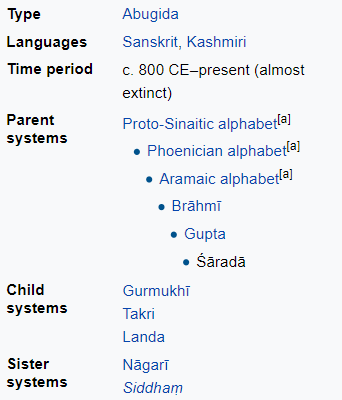
Furthermore, one can also get Beyond Letters and Names as one can also get all details linked to one's Personal 4-4 Pahar, Tith, Var, Months, Seasons and Other Natural Assets of the Earth Physical, Physiological and Seasonal Sets with Sacred Prose, Poetry, Music and Cymatics in Different Sacred Forms including Two Sacred Lines, Shabad, Path and Prayers and even Kirtan and Other Devotional Assets, which are Unique to Individuals Personal Life while also Universal Constant for Every 4-4 Pahar, Tith, Var, Months, Seasons and Other Natural Assets of the Earth Physical, Physiological and Seasonal Sets, where Rabab, Tabla and Harmonium also links it all to the Day and Night Time Streams of 4-4 Pahar, Tith, Var, Months, Seasons and Other Natural Assets of the Earth Physical, Physiological and Seasonal Sets, for example, one's Sun Sign is also presented as Month's Prayer of Sangrand (Sun's Transition from One Sign to Next) for Individuals, Groups or Congregations and Other Occasions, and there are almost Every Kind of Sacred Prose, Poetry, Music and Cymatics Based on EK Gurmukhi Theory of Elements with Cymatics in Different Sacred Forms for Sacred Astronomy, Astrology and Alchemy with Cymatics as well. Thanks!
"We may gradually and systematically achieve our spiritual development each month through the Art of Ascendancy, the Chardi Kala. Thus, for one month to the next until this spiritual journey completes its yearly cycle in the cyclic way that is also the re-cyclic processes of the universe. This is enriched by reinforcements of our age, experience and cosmic rhythm going on our Earth yearly, as long as we live. The re-cyclic process is applied to the conversion of thought into action and learning from the actions to ascend towards refined thoughts and ideal actions. The Philosophy of Religion, the Metaphysics in particular and the Eastern or Indian Philosophy in general, greatly gives the metaphysical meanings, effects and influences of transition of the Sun through twelve signs of the zodiac. We consider this aspect, the Chardi Kala as described in the Gurbani of Sikhism, as the Lessons for Twelve Mystic Months in two Ragas by Guru Nanak and Guru Arjan as the Ascending Journey of Soul." (Introduction to ART OF ASCENDANCY AND THE 12 MYSTIC MONTHS by Dr. H. Singh)
Special Comments, Remarks and Discussions on E=O+iA Equation Streams: Well, as also stated and discussed earlier, all of it also includes my 1st Year of B. Sc. (Non-Medical) after Passing 10+2 with Non-Medical Stream in 1988 with about a year with Prof. Vidwan Singh Ji Soni, who is also Great Researcher, Developer and Research Book Author on Theory of Relativity and also with Prof. Sadhu Singh Ji, where Journey started with them also ended up in University of Adelaide, Khalsa College Patiala and Punjabi University of Patiala, where Simplified Equation of Light, Sound and Vibration Energy for 5th Dimension for Theory of Relativity with Change in Momentum has also been proposed as well.
In all of it, the Sacred Cross Theory also represents the Theory of Elements with 4 Elements in 4 Directions of the Cross and 5th Element at the Center especially as in the Greek and Western Civilizations, and thus Sacred Theory of Cross is also One of the Most Ancient Theories of Elements with Cymatics, where E=O+iA and E(A)=A+iA also represent the Set of Elements as in Hebrew, Aramaic and even Arabic and Other International Theories of Elements including Classical Sanskrit as shown in Image 1 with Special Discussions, where it is also linked to Kashmiri Sharda Sanskrit and EK Gurmukhi gives it with E=O+i(A+iA)A, where it is like Flower of Cymatics with ith Point as Dimension of Singularity as well.
While all of it starts just with a Green Plant in a Gamla are proposed for the Special Concern, Cry and Appeal of Himalayan Regions in 2025 and Beyond: The 2025 seems to be like a Start of Feared Mini Ice Age due to Collapsing of North Pole Polar Vortex in 2025, where all of it is also coming up with La Nina Winter Cold Waves, where all of it also comes to our Himalayan Regions this Winter, which starts its effects in September to March and even April every year, while with La Nina Cold Waves in 2025, where Fiji and Chinese Virus Streams are also affecting Farming and the Crops after Serious Himalayan Floods in 2025 due to Rain Clouds Crossing over the Himalayas for the First Time in the Modern History due to High Temperatures for the Monsoon Clouds that took it all High in the Sky and thus also the crossing over the Himalayas to Tibetan and Other Regions causing Cloud Blasting with Very Heavy and Flooding Cloud Water Pouring and the Flooding Rain as well.
Thus, the Monsoon Rain Clouds after crossing over the Himalayas in the Indian Regions rather reached in Dry River Lands of Tibetan and Other Regions with Lesser Rain, and all of it also brought More Floods due to the Higher Temperature Causing Cloud Blasting and Heavy Floods rather than Rain, and that also brought Unexpected Floods on both Sides of Himalaya for the First Time in the Modern History that the Monsoon Clouds Crossed Himalaya instead of Stopping there and Raining in North India, which also brings Water Supply and Irrigation to North Indian Agrarian, Farming and the River Lands, where Mount Aravalli with Mount Abu Ranges as in Opposite Direction to Himalaya and Monsoon can also give a Sound Solution as well.
Now, if all of it or even part of it repeats itself in next years, all of it may thus ruin North Indian Regions including Punjab and the surrounding States (and even Other Sides of Himalaya with Cloud Blasting, Heavy Floods and Rain), where Mega Himalayan Earthquake of 8-9 Richter Scale is also said to be occurring in near future with already Disturbed Monson Rains and Link River Floods with La Nina Winter Problems in 2025 and onwards, where we also prepared Native Gurmukhi Punjabi YouTube Research Video, based on these Research Publications, and thus on all of it with thanks to Google NotebookM Streams to Convey the Calamities in the Native Language of Gurmukhi Punjabi with more than 50 years of Research and R&D as well, while it is also discussed more in the Relevant Research Publication as well.
YouTube Research Video Reference: [1] Proposed Neutrino Cities of Patiala, Punjab, North India and Himalayan Regions for Global Solutions
"The Punjabi Language uses the EK Gurmukhi Script, which has 35 Akhara, the Letters, which are based on the 35 Life Energy Based Elements of Light, Sound, Vibration and Life Energy Systems (https://www.sikhiwiki.org/index.php/Painti_Akhri), and that it, the Punjabi (Gurmukhi) uses the EK Gurmukhi Metrics with its EK Basic and Derived Equations of E=c+iv and the A+iA, the EK Tonal Channels of Cymatics. It was developed by the Disciple Musician and Grammarian Shri Guru Angad for his Master Shri Guru Nanak Dev Ji, the Great Musician and Grammarian of EK Gurmukhi Metrics, who also wrote the EK Gurmukhi Theory of 35 Elements in the Patti Likhi, the EK Gurmukhi (Gurbani) Poetry with the EK Gurmukhi Metric Systems
(http://www.sikhiwiki.org/index.php/Patti_Likhi, https://ipfs.io/ipfs/QmXoypizjW3WknFiJnKLwHCnL72vedxjQkDDP1mXWo6uco/wiki/Gurmukhi_alphabet.html)
The 35 Akhara with 35 Elements are also discussed in the Kashmir Shaiv Theory of 35 Elements, where the 36th Element is the EK Light and Sound Duality as in the EK Photon-Phonon Duality as in E=O+iA, which also creates the 35 Akhara Sounds of the 35 Elements with A+iA, the Channels of Cymatics.
Furthermore, as also stated elsewhere, the 5th Sikh Guru, Shri Guru Arjan Dev Ji also extended the 35 Akharas (Letters) of EK Gurmukhi to the 52 Akharas (Letters) and thus the Bavan (52) Akhari (Letter) System as well. It may also include the 16 Vowels, for example with the Left and Right Spins, which can be collectively used on Two Letters and for EK Raga, Tala and Melody it may need Two Lines, which also give the Density Based Sound Amplitude Gains or Losses, while all of it can also be put as E=O+iA, E(A)=A+iA and E=O+i(A+iA)A as well.
The EK Gurmukhi Metric System thus also aligns the Indian and International Languages into the EK Nirukta, the Etymological Language Systems, which can be then also used in the EK Machine, Computer and AI Languages.
It also aligns to the Indian Continental Theories and Alphabets, which also uses the Wood, Coal and Metal Elements* as shown in the Image 1 as shown below:
Image 1: It is from the Quora Discussions as present in What is the relationship between Gurmukhi, Takri, Lande, and Dogra Akkhar?
Furthermore, while, in general, the EK Gurmukhi Parental Alphabet and Scripting Metric Systems also include the following with greater focus on western and modern Alphabets as well:
Type: Abugida (https://ipfs.io/ipfs/QmXoypizjW3WknFiJnKLwHCnL72vedxjQkDDP1mXWo6uco/wiki/Abugida.html)
Parent System (Basic): Proto-Sinaitic
Derived Parent Systems:
1. Phoenician (the Greek Language Metric Systems belong to this Parent System: https://en.wikipedia.org/wiki/Phoenician_alphabet), while King Alexandra, the Great also opened the First Taxila University in Ancient Punjab as well, and the Modern Allopathy also emerged from it with First Modern and Western Technical Tekhne Technical Grammar as well, while Shri Guru Nanak Dev Ji also visited these Greek and Other European Regions, while earlier, the Taxila was founded as Takshashila by Lord Rama's Brother King Bharat, and as it developed into the Europe and Asia Bi-Continental Systems of Eurasia, it also received Name Ekklesia (Ecclesia) with EK or IK as Self-Identity as well, and it is EK with Cymatics as EKK with EK Call for Asian Continental Sacred Systems, while even Greece was known as Ekklesia for Eurasian Civilizations of Cymatics as well and more references can be provided for it
2. Aramaic (Lord Jesus Christ, the Founder of Christianity with his 12 Disciples spoke this language: https://en.wikipedia.org/wiki/Language_of_Jesus), where one of his Disciple, Saint Thomas came to Kerala in India and Saint Peter (First Pope of Catholic Systems) went to Rome Italy, and they spread Aramaic with Christianity, and there had been One Pope from Kerala India as well, where all of it also streamed into Old Church Script, Alphabet and Language Systems, for example in Serbian Language Systems, which are used in Russia and Open and Free Flows of Prose, Poetry and Kavishri (Prose and Poetry together), Arabic, Shahmukhi, Khariboli with Hindi, Kharosthi with Pali, Siddha and Other Languages, and Gurmukhi Streams (with EK Guru and Griva, the Tongue for Shahmukhi focussing more on Breathing, and the EK Gurmukhi links Aramaic and Shahmukhi to Indian Continental Systems), where all of it is also linked to 5th D and Cymatics with Community Approach, where it also creates EK Sanskrit, Hebrew and Aramaic Streams, and then aligns to Indian Continental Alphabets, while it also aligns to the Australian and African Continental Theory of Elements as well
3. Brahmi (Lord Buddha and Buddhism is linked to this Parent Metric Systems: https://dhammawiki.com/index.php/Brahmi_script), while Lord Buddha was also born in Lord Rama’s Solar Dynasty, which is also known as Ikshvaku Dynasty as well
4. Gupta (Ashoka, the Great and Gupta Empire, the Golden Periods of Indian Civilizations are linked to this Parent System), where Dr. R. D. Ambedkar as also the Father and Maker of Constitution of Modern India also belong with 3 and 4 while also to the Other Parent, Sister and Child Alphabet Systems and Streams, which can also be used in Modernization of Indian Constitution, UNO and Other National and International Constitutions and Charters of 21st Century with Singularity Dimensions of Europe and Asia as Eurasia with Axial Age civilizations, where STEM and STEAM Education with Wood, Coal and Metal Elements is also emerging, and it can also Make the World a Better Place to Live especially for the Minorities and People, who belong to Communities and also Women rather than Preferring or Prioritizing the High Castes and Classes as well
5. Śāradā (Kashmiri Pandit Communities have been using this Parent System with the Sharda Peeth Metric Systems: https://en.wikipedia.org/wiki/Sharada_Peeth)
6. Laṇḍā (This Parent System is linked to Punjabi, Sindhi, and Kashmiri Languages and Civilizations, while the Sikh Gurus, the Founders of EK Gurmukhi Metrics also belong to the EK Sindhi Language Metric Systems as has been used in the EK Sindhi Civilizations (https://en.wikipedia.org/wiki/Culture_of_Sindh, https://en.wikipedia.org/wiki/Sindhis, http://wingsforall.com/bhagouauty/blog/emerging-quantum-civilizations-with-photon-phonon-and-phoneme-for-sacred-ma/ ), where the 10 Sikh Gurus belong to the Sindhi Language Metric Systems, who also invented, researched and developed the EK Gurmukhi Script and the Metric Systems)
7. Gurmukhi (All of the above Ascending Parental Metric Systems thus ends up into the EK Gurmukhi Metric Systems as started by Shri Guru Nanak and Shri Guru Angad Dev Ji, where the later also gave the 35 Letters, the Akhara's Based EK Gurmukhi Alphabet for the 35 Elements as described in the Patti Likhi by Shri Guru Nanak Dev, the Founder of Sikhism), where it also seems the 3 as the Aramaic with EK Raga, Tala and Melody with Harmonics and Cymatics as well, where it also uses the Kashmiri Siddha and Siddhartha Theories of Elements as in Japan with Greek Theories of Elements and thus all as the EK Greek, Gurmukhi and Mikagura Conjectures with Cymatics, which is also linked to Persian Ablaut Systems of Cymatics, while these are also used as the Old Testaments of EK Gurmukhi as well as well
Please also note that Shri Guru Nanak Dev, the Founder of Sikhism was also born in Lord Rama, Luv-Kush and Lord Buddha’s Genealogical Lineage Systems as their descendent in the Ikshvaku (https://en.wikipedia.org/wiki/Ikshvaku) Solar Dynasty Genealogies and Family Lineages, where even Lord Krishna also belonged with Lunar Dynasty in addition to Lord Rama in its Solar and Lord Buddha and even Lord Mahavira in what we can put as Earth Dynasty of the Ikshvaku Dynasty Systems as well.
The IK or EK in Ikshvaku is also linked to IKH or EKH, which also means Sugar from the Sugarcane as well.
The EK Gurmukhi Metric Systems also have the Sister Parent Systems: Khojki and Takri
In all of it, as India in East Gave Theory of Zero, the Greek in West Gave Theory of 1, the EK, which is balanced by Cymatics as in Aramaic Theories, which Israel Gave for both the East and the West, and it is also like the Journey of RH from Greek to India as AARA while getting AARHA from Israel with Cymatics, and thus all as the EK AARA, RH and AARHA Conjectures with Cymatics, where Shri Guru Gobind Singh Ji also wrote and compiled the Prayer of Cymatics in the Form of Chaupai Benti, which is also linked to it as well.
(One may read more from the sources with thanks:
https://ipfs.io/ipfs/QmXoypizjW3WknFiJnKLwHCnL72vedxjQkDDP1mXWo6uco/wiki/Gurmukhi_alphabet.html, https://en.wikipedia.org/wiki/Gurmukhi, and Blogging Research for EK Simplified Gurmukhi Metrics: http://wingsforall.com/bhagouauty/blog/natural-world-and-arts-with-hindi-punjabi-and-sanskrit-part-11/)
It is also present as the EK Gurmukhi Song of Alphabet in Sacred Patti Likhi Shri Guru Nanak Dev Ji, who invented the EK Gurmukhi Alphabet about 545 years ago, and it also uses all of the Parent, Sister and Child Alphabet Systems and Streams with Cymatics, which is also linked to the Aramaic Alphabet, Language and Music as also used by Lord Jesus Christ as well.
So, the Gurmukhi also follows the EK Evolution of World Languages, which we can determine and analyze with the help of EK Gurmukhi Metric Systems, and it does not miss the Etymological Evolution of World Languages."
Quick Blogging Research Post by Relevancy and Reference for Better Language and Communication: [1] EK Gurmukhi Metric Systems Based View, Preview, Visualization, Review, and Release for Bad Habits Like Giving Gaali (or Gali) and Other Habits that One Wants to Change: EK Gurmukhi Mass-Weight-Grama Metric Systems for Correcting and Fixing the Tatta-Tainka Manipulation and Be Happy Philselfologically
Special Remark: The E=c+iv is also linked to Simplified Euler Identity and the Euler Math in general, while Euler also belonged to Basel in Switzerland from 1707 AD and onwards, and he also studied and researched in the University of Basel, which was founded in 1460 AD around when Bhai Mardana Ji was born, and he was about 10 years older than Shri Guru Nanak Dev Ji as well.
In all of it, the Sikh Gurus also studied, researched and developed these Simplified Euler Equations and Math with Theory of Elements with Cymatics during 1469 AD to 1708 AD, and it now goes with Cymatics, which was also invented and founded by Hans Jenny in 1967, and he was also born in Basel in Switzerland as well.
All of it is also proposed as Einstein-Planck Equation Systems while using Euler Math with Jenny's Cymatics, while all of it also uses Ernst Chladni Plates and Math with Music, while all of it also represents the Western Language, Math and Music with Eastern Versions, where Chomsky's Universal Grammar also links it up with Bilingual Grammar Approach, where EK Gurmukhi Music is also like the Musical Version of Chomsky's Universal Grammar with Minimalist Program as well. (End of Special Remark)
In the UNESCO International Decade of Indigenous Languages, there is also a Greater Need of having the International Decade of Indigenous Dialects, and thus all as Indigenous Languages and Dialects or Indigenous Dialects and Languages, where it also includes Mother Tongue with Mother Dialect Streams, where the Mother Dialects seem to be more endangered and extinction facing as well.
The reasons for it include that Nations have Indigenous People due to Dialects, especially as the Mother Dialect, where Many Languages are accommodated in the Given or Selected Dialect for Every World Language especially the Indigenous World Language as well. 1. Indigenous Language Decade 2022-32 2. Indigenous Dialect Decade 2022-32 3. Proposed WIPO Indigenous Streams for 1 and 2 The 1, 2 and 3 also includes Indigenous Music and thus Indigenous Dialect, Language and Music Streams as also the Special Research Case for UNESCO Indigenous Language Decade Streams, where we also discuss the Endangered Levels of Indigenous Dialects, for example Majha, Doaba, Malwa and Puadha Dialects in Punjab with Gurmukhi Punjabi as the Official Alphabet, Language and Script of Punjab (East Punjab) in India as well. In all of it, there is Need of Serious Attention for Indigenous Dialects, which also need Independent Research Works as well, where Indigenous People have Traces of Indigenous Languages with Endangered Dialects, and it can be saved through Images, Audio, Video, Documentary, Library, Film and Database, Reference and Repository Streams, where Language and Dialects may be treated separately for the Greater Good as well. On the other hand, the Indigenous Language may not provide Significant Knowledge about how all of it deals with Indigenous Dialect Streams. For example, in the State of Punjab (Eastern Punjab) in India, there are 4 Major Indigenous Regions, namely, the Majha, Doaba, Malwa and Puadha, which also represent the Indigenous Punjab Regions as well. Quick Blogging Research Post Reference: [1] It is One of the Simplest Open Requests, Appeals and Submissions On Teacher's Day for the Gurmukhi Punjabi Alphabet, which needs to be corrected as it keeps Serious Health and Psychiatry Harming Tatta-Tainka Manipulations and Endangered Levels of Puadha Dialect in Gurbari Versions of Gurmukhi with EK Hypothesis of EK Gurmukhi with Hypothesis of Philselfology (https://metaphysicsinlife.blogspot.com/2022/09/it-is-one-of-simplest-open-request.html) Now, if anyone wants to participate from Punjab in WIPO TK, WIPO DOCIP and even WIPO Green, for example, one need to give details about the Nation, State and the Indigenous Background, where India, Punjab and Punjabi may not be sufficient, where Gurmukhi, which is also Official Language of Punjab and also the Main Language of Sikhism may not justify it as the Indigenous Language Stream if we do not consider the Indigenous Dialect Approaches, which is also one of the Main Solutions for Proposed 3 WIPO Community Unit-Unitary IP Streams as well. Quick Research Publication References: [1] Proposed 3 WIPO Community Unit-Unitary IP Streams, Artisan Communities and Genealogies with Focus on Gurmukhi Punjabi and WIPO World IP Day 2023
Furthermore, if we consider Indigenous Language, we can accommodate Many Dialects, while if we consider Dialects, we can accommodate Many Indigenous Languages as well. Our R&D Team faced these problems, while preparing the Indigenous Dialects and Languages, where Languages are also linked Religions, Faiths and Genealogy Streams, while Dialects may deal with it differently because it can deal with Many Indigenous Languages simultaneously as well.
Quick Dialect and Language Research with Greater Focus on 3 Genealogy, Language and DNA Streams Based Research: [1] Ek Vaku Ikshvaku Bikrami Jagdev Parmar Tarkhan Ramgarhia and Baba Vishwakarma World Families and Genealogies [2] Set of Solutions for Health, Psychology and Psychiatry Harming Tatta-Tainka Letter Manipulations in Gurmukhi Punjabi Alphabet, Language, Music and Covid-19 with Hypothesis of Philselfology as submitted to Prime Minister Offices, which the PM Offices also Sent to Ministry of Education with Healthy Responses and Replies from Bhasha Vibhag Language Department and Human Rights Commission of Punjab for World Minority Issues in India and Worldwide (https://metaphysicsinlife.blogspot.com/2022/10/set-of-solutions-for-health-psychology.html) (Blogging Research Post) In all of it, the Punjabi Dialects are also Highly Endangered and Extinction Facing in reference to Indigenous Languages when these are taken with Indigenous Dialects, where All World Indigenous Languages can also be accommodated, where Citizens of World Regions of Dialects can also participate in Greater Number and also with Greater Ease, for example, Login for Your Indigenous Dialect seems easier than Login for Your Indigenous Language, where Greater Contributions are required in the World Indigenous Dialects as well. It is also to be remarked here that many people, for example, in Punjab and Other States in India and Worldwide may not understand the "Indigenous" Language, but if it is put as Indigenous Dialects (One's Mother, Father, Parent, Guardian and Native Dialects), almost anyone may understand it in lot easier way as well. Now, in case of the World Indigenous Alphabet, Language and Music with Theory of Elements, the World Languages also deal with at least 3 Main Categories of WIPO IP as with WIPO Classic, WIPO TK and WIPO Green, where Alphabets also represent the Theory of Elements, for example Space, Air, Fire, Water and Earth (Solid) with Wood, Coal, Metal, Charcoal and even Lime and Other Elements in Different World Civilizations as well. The Elements also represent the World Ecology and the Ecological Regions of the World, where the Indigenous People use it with Special Approach of Elements in the Given, Selected and even Special Ecological Region, where it also creates the Indigenous Dialect, and it is also the Earth Energy Stream, which also aligns with the Sun as Source of Light and Thermal Energy, which is linked more to the Alphabets and Languages with lesser of the Theory of Elements, the Indigenous Part as well. Furthermore, the Music in the Alphabet and Language, for example as in Indian Classical Music with SARGAM (SA, RE, GA, MA, PA, DHA, NI and SA) is linked to Moon, and it also gives the Human, Animal and Bird Sounds, where the World Indigenous and Ecological Systems also link to the Moon in addition to Sun and the Sunlight Systems and Streams, while all of it is also present in the Himalayan Civilizations with Bi-State and Bi-Nation to Multi State and Multinational Levels, where Gurmukhi Punjabi with its Sanskrit, Sahaskriti, Shahmukhi and Aramaic with Cymatics also bridges it all to Western Language Streams as well. Quick Blogging Research Post: [1] It is One of the Simplest Open Requests, Appeals and Submissions On Teacher's Day for the Gurmukhi Punjabi Alphabet, which needs to be corrected as it keeps Serious Health and Psychiatry Harming Tatta-Tainka Manipulations and Endangered Levels of Puadha Dialect in Gurbari Versions of Gurmukhi with EK Hypothesis of EK Gurmukhi with Hypothesis of Philselfology (https://metaphysicsinlife.blogspot.com/2022/09/it-is-one-of-simplest-open-request.html) So, we also end up with Earth Based Indigenous Theories, Alphabets and Languages with UNO and UNESCO, while the Alphabets with Language and Grammar Streams also go with Sun and the Sunlight Systems and Streams, for example as in the Chicago USA Based PoWR (Parliament of the World's Religions), while the Indigenous Music with Earth and Sun is reflected in Moon, where Tribes, Traditional Families (Gharanas) and Musical Streams are like the Blocks as in the Traditional Blockchain Streams, where Dominions in World Languages, Religions, Faiths and Sacred Systems are also present as well.
Quick Research Publication Reference: [1] Schism, Heresy, Dominions and Published Book of Proposed Journal for Proposed EK Gurmukhi World R&D University with 100 Damdami Streams, Collabs and WIPO TK, WIPO Green and UNESCO Safeguarding
Now, the Indigenous Theories, Alphabets and Languages with UNO and UNESCO, Language and Grammar Streams with Sun and the Sunlight Systems and Streams in POWR and Music Streams in Traditional Blockchain as thus 3 Streams of UNO, PoWR and Traditional Blockchain are Common in WIPO, where it is also present in WIPO Classic, TK and Green and even WIPO IP, AI and Creative IP Streams with Universal Constant, Variable and Coefficient Streams with Cymatics as well. Quick Blogging Research Post: [1] The Greater Need for UNO Charters for Secular, Sacred and Cymatics Based Systems and Solutions for the Covid-19 Pandemic and Post Pandemic for the Feared Lost Decade of 2021-30, UNESCO Indigenous Decade of 2022-32 and Feared 3rd World War with UNO Global Citizenship with WIPO, PoWR, NAM, and Blockchain with Cymatics: The Sixth Holocene Mass Extinction, EK Gurmukhi and Gurbari Metric Systems and Philselfology with STEM Education and Cymatics (https://metaphysicsinlife.blogspot.com/2021/06/the-greater-need-for-uno-charters-for.html)
Please read more about it from the following Blogging Research Post:
Blogging Research Post Reference by Relevancy as well: [1] The ICH Safeguarding of Sacred Gurmukhi Gurbani Composition of Gagan Mein Thaal, the Cosmic Plate of Cymatics as Aarti by Shri Guru Nanak Dev Ji can also become the Indian International and World Anthem, Language of Music and Message of World Peace in UNO and Worldwide with Parliament of the World's Religion with WIPO Green Approach as suggested by Ravindranath Tagore, the Nobel Prize Winner
Other Blogging Research Post by Relevancy and Reference: [1] The Sacred Gurmukhi Gurbani Composition of Gagan Mein Thaal, the Cosmic Plate of Cymatics as Aarti by Shri Guru Nanak Dev Ji can also become the India International and World Anthem and Language of Music in UNO and Worldwide with Parliament of the World's Religion Approach as suggested by Ravindranath Tagore, the Nobel Prize Winner
